Ledger Confirms Tampered Bitcoin Wallets in Berlin as Hardware Implant Probe Spreads Beyond Asia
Key Takeaways
- •Ledger confirmed tampered devices in Berlin and is investigating two suspected units bought at a Virgin Megastore in Dubai, expanding an incident it had initially described as localized to Southeast Asia.
- •Every confirmed device carries the same physical modification designed to capture recovery phrases during setup, though Ledger reports no flaw in its secure chip or operating system and no confirmed case involving a ledger.com purchase.
- •The investigation began last month after CryptoBilis reseller customers reported losses, with onchain investigators tracing a suspected $87 million drain from hundreds of wallets across Ethereum, Tron, and Bitcoin.
- •Ledger advises affected customers to stop using suspect devices, transfer funds to new wallets without reusing old recovery phrases or passphrases, and is offering X-ray inspections at its Vierzon, France factory.
- •Rival manufacturer Trezor separately disclosed its third breach in as many months, with a third-party shipping partner compromise affecting roughly 27,000 orders, underscoring supply chain risks facing the hardware wallet industry.
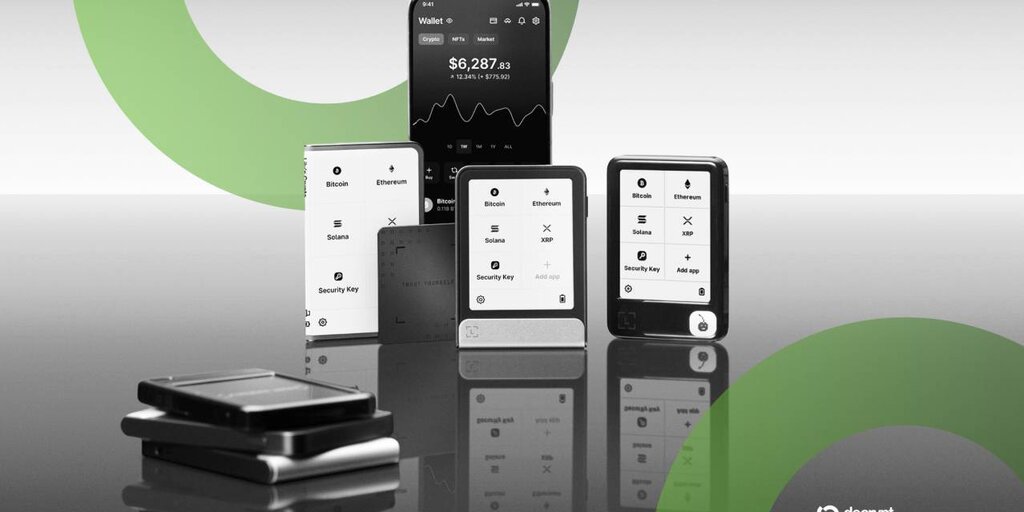
Ledger has confirmed tampered hardware wallets in Berlin, is investigating two suspected units in Dubai, and found one affected Nano Gen5 among Southeast Asian resellers it had previously paused — and the company says all of the devices are part of "the same incident."
Every confirmed device carries the same physical modification, designed to capture a user's recovery phrase during setup. Ledger maintains there is no flaw in its secure chip or operating system, and no confirmed case involving a device bought on ledger.com.
The company expects more compromised devices to emerge. It is urging affected buyers to move funds to new wallets and is offering X-ray inspections at its factory in France.
Probe Expands Beyond Asia
Ledger said Wednesday it has confirmed tampered hardware wallets in Berlin and is investigating reports of two more in Dubai, widening a probe it had previously described as a localized incident in Southeast Asia.
"Our findings since then show tampered devices outside Southeast Asia. It is the same incident," the company said in an update on its support site.
The investigation began last month after customers who bought devices from reseller CryptoBilis reported losses. Onchain investigators traced a suspected drain of about $87 million from hundreds of victim wallets across Ethereum, Tron, and Bitcoin. Ledger said at the time that all confirmed cases were tied to CryptoBilis, and it later asked resellers in seven Asian markets to pull devices from sale.
Every device Ledger has confirmed shows the same kind of physical modification, designed to capture a user's recovery phrase during setup. A recovery phrase, typically a string of 24 words, is the master key to a crypto wallet: anyone who has it can drain the funds.
Our investigation into the hardware implant incident we disclosed Oct 15th is ongoing, and we published an update:
There is no flaw in Ledger's secure chip or operating system, and no confirmed case involving a device bought on
We…
— Ledger (@Ledger) November 18, 2026
Ledger reiterated that it has found no flaw in its secure chip or operating system, and no confirmed case involving a device purchased through ledger.com. That distinction explains the implants' approach: a hardware wallet is designed to keep private keys isolated inside a dedicated secure chip, so the tampering instead targets the setup process itself, when the recovery phrase is generated and recorded.
Findings in Berlin, Dubai, and Southeast Asia
In Germany, Ledger said a few tampered units were localized to Berlin, and it urged anyone who bought a Ledger device there since January 2026 to contact support.
In Dubai, the company is working with distribution partners to determine how two suspected units entered circulation. Those devices were bought at a Virgin Megastore location, according to multiple reports. Ledger also found one affected Nano Gen5 among the Southeast Asian resellers it previously paused.
The widening map reflects how hardware wallets reach buyers: through third-party resellers, brick-and-mortar retailers, and distribution partners as well as manufacturers' own web stores — a chain of intermediaries that sits largely outside a maker's direct oversight once devices leave the factory. How the Dubai units reached a retail shelf, and whether further X-ray screening of paused reseller stock surfaces more implants, are the open questions likely to define the next phase of the probe.
The company expects more tampered devices to surface, though it says the number remains small overall. Its Donjon security team is examining suspected devices, and Ledger has asked resellers to pause sales wherever inspections are ongoing.
Guidance for Customers
Customers worried about a device should stop using it, Ledger said. It advises moving funds to a new wallet created on a device bought directly from ledger.com, without reusing the old recovery phrase or passphrase, since a tampered device can capture both. It also recommends filing a report with local authorities.
For a limited time, Ledger is offering physical inspections, including X-rays, at its factory in Vierzon, France. Because the modification is physical rather than software-based, X-ray imaging lets technicians examine a device's internals directly for added components.
"We will never ask for your recovery phrase," the company said on X.
Sector Under Strain
The last few months have been a rough stretch for hardware wallet makers overall. Rival manufacturer Trezor said this week that hackers who breached a third-party shipping partner likely took information tied to about 27,000 orders. That is the company's third such breach in as many months. Together, the episodes underline how a wallet maker's security exposure extends beyond its own chips and code to the resellers, retailers, and shipping partners that handle its products on the way to buyers.

