Ledger Brings Clear Signing to Solana, Ending 'Blind' Signing for Jupiter Swaps
Key Takeaways
- •Ledger's clear signing feature for Solana supports nine apps and 18 of the 22 most common network actions, with Jupiter and Kamino as the first supported applications.
- •The feature was built in collaboration with the Solana Foundation and Anza, the developer of Solana's Agave validator client.
- •Ledger's Ian Rogers said a Jupiter swap that previously required 13 hard-to-read screens on a Ledger device now takes three.
- •Ledger also promoted AI agent tooling, including Agent Intents for queued approvals, Pay.sh integration, and the Android-based Ledger Atom, which will carry the Seeker platform's more than 1,500 apps.
- •The launch comes weeks after Ledger investigated a suspected $87 million drain of user funds, which the company linked in confirmed cases to reseller Cryptobilis.
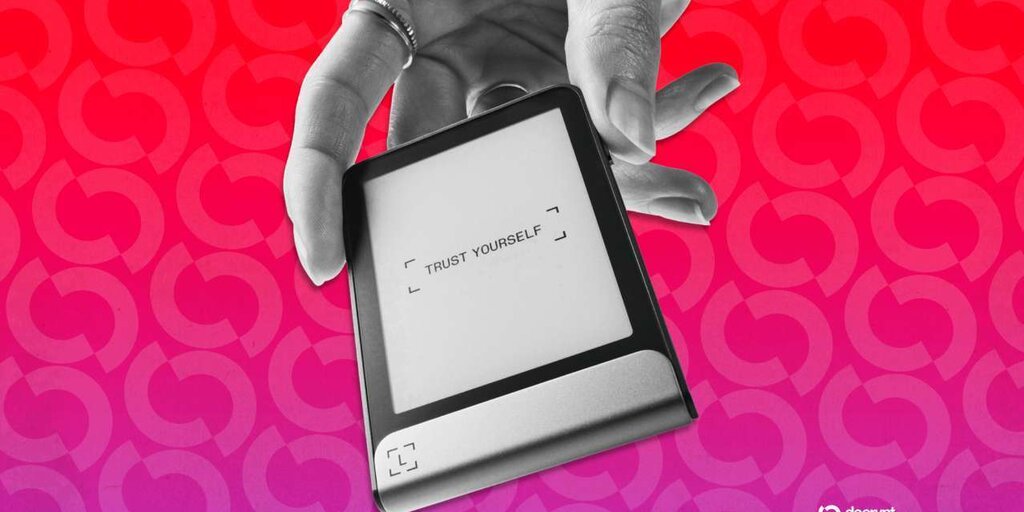
Ledger has launched clear signing for Solana, giving users of its hardware wallets the ability to read, in plain words, exactly what they are approving before they sign a transaction. The update replaces the opaque, machine-generated data that Ledger users have historically had to confirm sight unseen when interacting with Solana applications.
The feature covers nine Solana apps and 18 of the 22 most common actions users take on the network, with decentralized exchange aggregator Jupiter and lending protocol Kamino as the first supported apps, according to Ledger. It was built in collaboration with the Solana Foundation and Anza, the developer of Solana's Agave validator client. The "first" framing leaves open when the remaining four common actions — and apps beyond Jupiter and Kamino — will gain support.
The rollout addresses one of the most persistent friction points between hardware wallets and Solana DeFi: transaction payloads that are legible to machines but not to the people signing them. Hardware wallets are built to keep private keys offline, but that safeguard does not help when the screen a user relies on to vet a transaction displays strings no human can read.
"Until now, most Solana DeFi on a Ledger meant signing blind," the company said in a post on X on Monday. With the update, users can verify a swap on Jupiter "in plain words, showing what you send and what you get before you approve," it added.
Ledger (@Ledger) on X, November 16, 2026:
Would you approve a swap you can’t read? Clear Signing is finally live on Solana. Until now, most Solana DeFi on a Ledger meant signing blind. Now you can verify a Jupiter swap, in plain words, showing what you send and what you get before you approve. Clear Signing now covers… pic.twitter.com/BuW3m7y5GG
— Ledger (@Ledger) November 16, 2026
Blind signing, in which users approve transactions displayed as unreadable strings of data, has long been a weak point for hardware wallet users, since it leaves them unable to distinguish a legitimate request from a malicious one. Ian Rogers, Ledger's chief human agency officer, likened the practice to "signing a blank check" during a presentation at Solana's Breakpoint conference.
A Jupiter swap that previously meant scrolling through 13 hard-to-read screens on a Ledger device now takes three, Rogers said, showing what the user is giving, what they are getting, and who they are dealing with. "It's a huge step for every Solana user," he added.
AI Agents and Ledger Atom
Rogers also used the Breakpoint stage to promote Ledger's tooling for AI agents. Under the company's approach, an agent "never holds the keys; you do," he said, comparing the arrangement to a teenager who has to ask their parents for the family car. When an agent needs to move funds, it requests approval, and the user signs off on a Ledger device.
Because that process forces an agent to stop and wait, Ledger last month launched Agent Intents, a single queue where approval requests collect so that agents can keep working while users review and approve them at a time of their choosing. It works with Pay.sh, a service that lets AI agents pay for APIs on Solana, Rogers said.
He also showed off Ledger Atom, the touchscreen device built on Android's open-source code that Ledger announced last month. When it is time to sign, the device switches its screen to Ledger's secure chip, so secrets stay hidden from Android, Rogers said. Atom will be the first hardware beyond the Solana Seeker phone to carry the Seeker platform, bringing its more than 1,500 apps to the device, he added.
Ledger has previously teamed up with MoonPay on tools that let users control AI agents' crypto spending with its hardware wallets.
The launch comes weeks after Ledger investigated a suspected $87 million drain of user funds, which the company later said was tied, in all confirmed cases, to a reseller, Cryptobilis.

