Lawrence O'Donnell Renews Dementia Warning Over Trump's Changing Speech
Key Takeaways
- •MS NOW host Lawrence O'Donnell said that small verbal slips in President Trump's speech could point to dementia rather than the exaggerations and rambling long associated with him.
- •O'Donnell cited Trump's anecdote at a San Antonio rally about Melania Trump correcting his pronunciation of 'vegan,' during which the president appeared to switch pronouns, as an example warranting closer examination.
- •Trump told the story while mocking Texas Democratic state representative and U.S. Senate candidate James Talarico over his eating habits four weeks before midterm elections that will determine the makeup of the next Congress.
- •O'Donnell framed his assertion as commentary rather than a medical diagnosis, noting that diagnosing dementia requires clinical evaluation.
- •Under the 25th Amendment, ratified in 1967, the vice president and a majority of the Cabinet may declare a sitting president unable to discharge the powers and duties of the office.
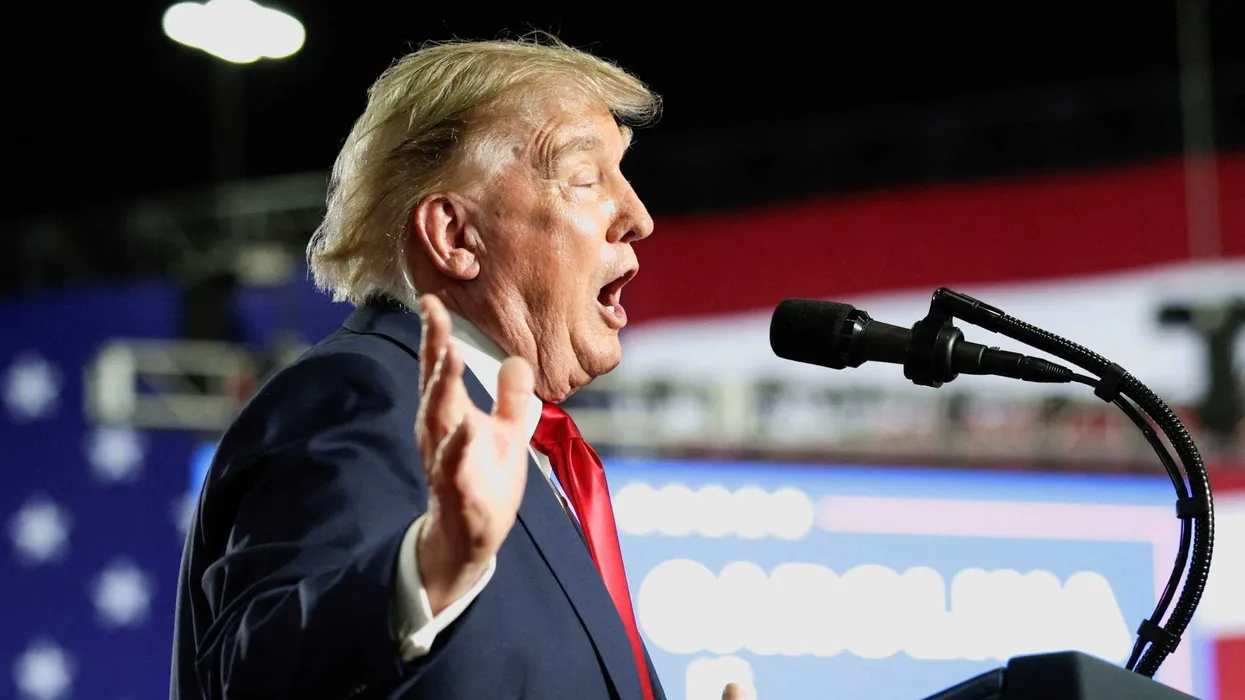
MS NOW host Lawrence O'Donnell has issued a renewed warning that subtle changes in President Donald Trump's speaking style may indicate something more serious than the exaggerations and rambling remarks long associated with him, arguing that minor verbal slips could point to dementia.
On Wednesday's episode of The Last Word, his weeknight program, O'Donnell revisited a question he said he first raised nine years earlier: how would Americans be able to recognize signs of dementia in a figure whose public statements were already often difficult to follow?
"This is how we will know," O'Donnell said, recalling his earlier social media post. "We will catch these seemingly small slips in his lying process, in his speaking process."
He argued that the meaningful comparison lay with Trump's earlier public appearances, including statements the president would not have made several years ago. Those changes, rather than Trump's familiar habit of making provocative comments, were what interested him most now, O'Donnell said.
The remarks came after Trump's campaign rally in San Antonio, Texas, on Wednesday, where the president told a meandering story about first lady Melania Trump correcting his pronunciation of the word "vegan."
Trump raised the anecdote while mocking James Talarico, a Democratic state representative in Texas and candidate for the U.S. Senate, whom he criticized over his eating habits during a campaign speech four weeks before the midterm elections — contests that will determine the makeup of the next Congress.
"My wife told me, sir, do me a favor," Trump said, before recounting the supposed correction. The president then appeared to switch pronouns while describing the exchange, referring to "he" before returning to references to Melania.
"I like steak," Trump told the audience, adding that his wife had sent her greetings.
O'Donnell cited the anecdote as part of his latest argument that apparent changes in Trump's speech warrant closer examination. He questioned the president's mental state and drew attention to Trump's authority over the nation's nuclear arsenal. Arguments about a sitting president's cognitive fitness carry constitutional weight: under the 25th Amendment, ratified in 1967, the vice president and a majority of the Cabinet may declare a president unable to discharge the powers and duties of the office.
He previously raised similar questions while discussing Trump's controversial comments about Los Angeles and San Diego during a rally in Nebraska. At that event, Trump suggested that attacks on the two cities could be "a very small price to pay" in reference to Iranian threats. The White House subsequently responded to the backlash, saying Trump had been talking about the consequences of failing to prevent Iran from threatening American cities.
O'Donnell said Trump's remarks were difficult to interpret whether heard aloud or read in a transcript, and speculated that the president "may be sliding down a dementia curve every day." His claim was framed as commentary rather than medical diagnosis: dementia is a general term for declines in memory, language, and other thinking abilities, and diagnosing it requires clinical evaluation.
His latest comments reflect an argument he has made repeatedly: that the president's long history of exaggeration and false claims can make it harder to recognize meaningful changes in his behavior.

