Lavrov Warns Germany Is Moving Toward a ‘Real War’ With Russia
Key Takeaways
- •Russian Foreign Minister Sergei Lavrov characterized Germany's accusations over the Leipzig/Halle Airport drone incident as, by and large, the start of a real war.
- •Germany concluded on September 1 that Russia was responsible for the attempted August 4 drone attack and described it as part of a wider pattern of hybrid activity.
- •Berlin ordered the closure of Russia's consulate in Bonn and the Russian House cultural center in Berlin while coordinating its response with NATO and EU partners.
- •Moscow rejected the accusations, calling the German evidence fabricated and denying any responsibility for the drone incident.
- •Lavrov also accused Berlin of reviving 'Nazi' rhetoric and criticized Chancellor Friedrich Merz's push to strengthen Germany's military capabilities.
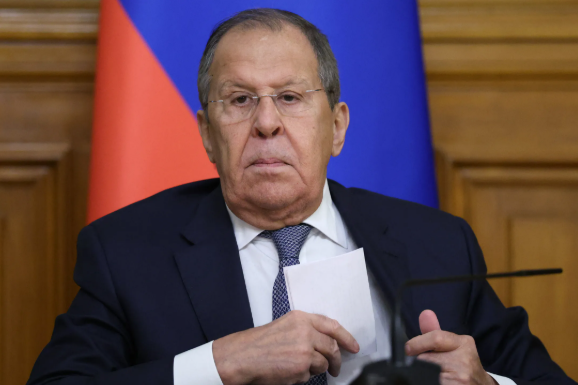
Russian Foreign Minister Sergei Lavrov has warned that Germany is moving toward what he described as a “real war” with Moscow, sharply escalating rhetoric after Berlin accused Russia of involvement in an attempted drone attack at Leipzig/Halle Airport.
According to information shared by Coin Bureau, Lavrov said Germany’s response to the incident, including its attribution of responsibility to Moscow, marked the beginning of a broader confrontation. He also accused Berlin of reviving “Nazi” rhetoric and criticized Chancellor Friedrich Merz’s push to strengthen Germany’s military capabilities. That push reflects a broader shift in German defense policy since 2022, when Berlin announced a special defense fund and committed to raising military spending toward NATO targets after decades of post-Cold War restraint.
Leipzig Drone Incident Deepens Russia-Germany Tensions
The German government said on September 1 that it had concluded Russia was responsible for the attempted drone attack at Leipzig/Halle Airport on August 4. German authorities said investigations pointed to Russian involvement and described the incident as part of a wider pattern of hybrid activity. Leipzig/Halle is one of Germany’s major air freight hubs, and incidents at such infrastructure sites carry particular significance for European logistics and supply chains.
Berlin responded by ordering the closure of Russia’s consulate in Bonn and the Russian House cultural center in Berlin, alongside other measures targeting Russian diplomatic and security interests. Germany has said it is coordinating its response with NATO and European Union partners while deliberately avoiding steps that would constitute further military escalation. Diplomatic expulsions and facility closures of this kind have historically been among the most severe non-military measures available to states, underscoring the seriousness Berlin attaches to its conclusions.
Moscow has rejected the accusation. Russian officials have called the German evidence fabricated and denied responsibility for the drone incident. Lavrov’s latest remarks represent a significant escalation in the diplomatic language surrounding the dispute, with Reuters reporting that he characterized the accusations as, “by and large, the start of a real war.”
Diplomatic Fallout Raises Wider Security Concerns
The dispute comes as European governments remain increasingly focused on alleged Russian hybrid operations, including sabotage, cyber activity, and other actions below the threshold of conventional military conflict. Several European states have previously attributed incidents such as undersea cable damage and arson plots to Russian-linked actors, though Moscow has denied involvement in those cases as well.
A further deterioration in relations between Russia and Germany could add another layer of geopolitical risk to an already fragile European security environment. Energy markets, European assets, and the broader risk environment remain particularly sensitive to developments involving Russia and major NATO members. Germany’s energy relationship with Russia in particular has been transformed since 2022, when the Nord Stream pipeline sabotage and the decline of Russian pipeline gas deliveries ended a decades-long dependence that had anchored bilateral economic ties.
The immediate focus will be on Moscow’s response to Germany’s countermeasures and whether Berlin’s accusations lead to additional action from the European Union or NATO, including possible coordinated sanctions or further diplomatic measures.
