LagRide Drivers Protest Ban and Harassment at Lagos Airport; Company Says Structured Access Partnership Is Underway
Key Takeaways
- •LagRide drivers are permitted to drop off passengers at Murtala Muhammed International Airport but are barred from picking them up under a general FAAN ban on e-hailing operations.
- •Drivers allege that despite paying a ₦50,000 fee, airport authority operatives continue to harass them, clamp vehicles and make questionable monetary collections.
- •AUATON spokesperson Iwindoye Steven says LagRide, which operates under the Lagos State government through Ibile Holdings, should negotiate with FAAN to secure airport access for its cars.
- •LagRide says it has concluded a partnership that will create a structured opportunity for its Captains in the airport transportation market, but has not disclosed what the process will require, what it will cost, or how it interacts with the FAAN ban.
- •LagRide says it was not aware of and did not authorize the ₦50,000 payment drivers describe, leaving unclear who received the money and on what basis.
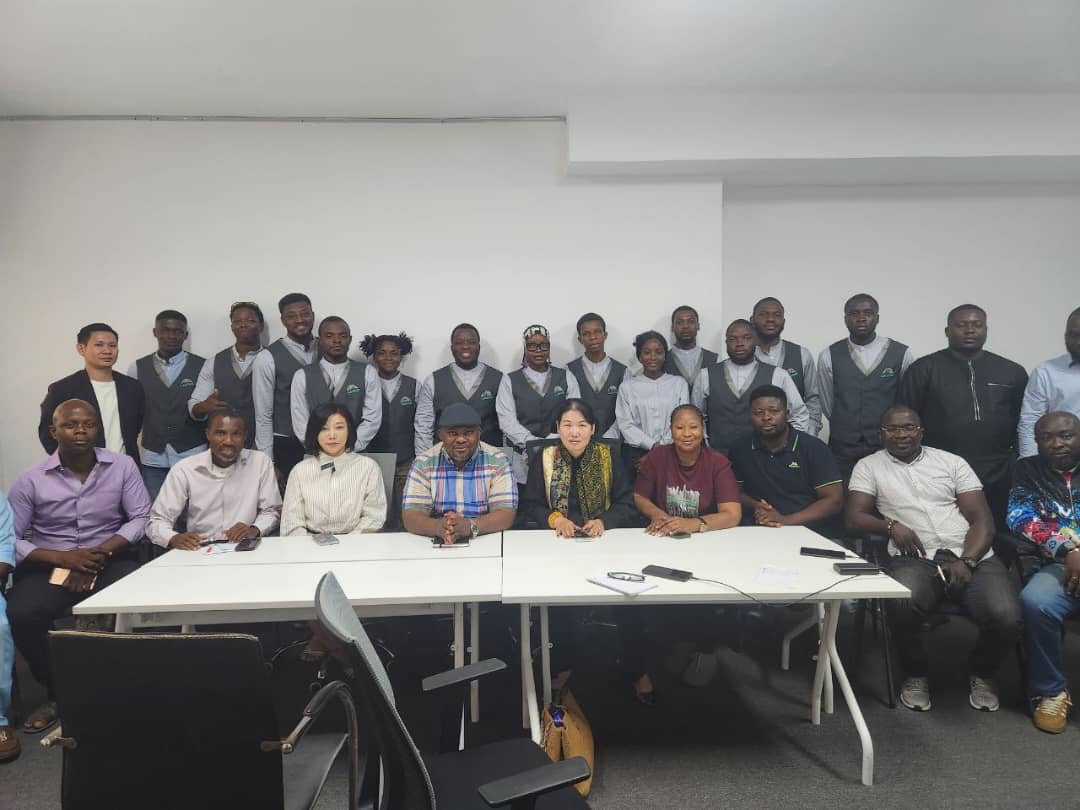
Drivers on LagRide, the e-hailing platform backed by the Lagos State government, are protesting a ban that has barred them from picking up passengers at the Murtala Muhammed International Airport, saying they have faced harassment and extortion by agents of the airport authority.
Airport pick-ups are an important earnings channel for e-hailing drivers, and rules governing commercial passenger collection at terminals sit with airport authorities rather than the platforms themselves — a divide that directly shapes where drivers can earn.
In a statement signed by Comrade Orimikoya on behalf of the Lagride Captains’ Community, the drivers said that despite paying a fee of ₦50,000, operatives of the airport authority still make life difficult for them through harassment, vehicle clamping and questionable monetary collections.
The drivers said the matter has gone beyond a mere disagreement between airport operators and e-hailing drivers, and has become a serious question of fairness, transparency, accountability and the protection of the legitimate means of livelihood of hardworking Nigerian drivers.
“For months, Lagride Captains have continued to experience situations in which they are permitted to drop passengers at MM1 but face obstacles, restrictions or enforcement actions when attempting to pick up passengers. This raises a fundamental question: What exactly is the reason a legitimate e-hailing vehicle can enter the airport to drop off a passenger but is prevented from entering to pick up another passenger?” the statement reads.
Comrade Iwindoye Steven, spokesperson of the Amalgamated Union of App-based Transporters of Nigeria (AUATON) and himself a LagRide captain, called out the company over the harassment and overall troubles its drivers face at the airport. According to him, the Federal Airports Authority of Nigeria (FAAN) issued a general ban on e-hailing operations, and because LagRide is a government-backed business, it falls to the company to negotiate.
“If the LagRide management wants us to be picking rides there, they should be the ones to go and meet FAAN and negotiate and get a space for their cars. Some of us raised it during a stakeholders meeting with their management, but they did not look into it. The airport is federal government property, and LagRide is under the Lagos State government through Ibile Holdings, the business arm of the government. Both governments should negotiate,” he said.
LagRide says it is building “structured” access for drivers
Responding to a Technext query on the matter, LagRide said it was aware of some of the concerns raised by its Captains and understood how important airport trips are to them. The company noted that the airport transportation market is highly regulated, with specific requirements governing commercial passenger pick-ups and operations.
In light of this, LagRide said it is working to address the issue institutionally rather than leaving individual Captains to navigate the complexities of airport operations on their own, and has concluded a partnership that will introduce a structured process for drivers.
“We are excited to have recently concluded a partnership that will address this issue and create a structured opportunity for LagRide Captains to participate in the airport transportation market. We will communicate the operational framework and requirements to them as implementation progresses,” a company spokesperson told Technext.
The company did not disclose the terms of that arrangement, including what the structured process will require of drivers, what participation will cost, or how it will interact with FAAN’s general ban on e-hailing operations.
The company noted that for many visitors, the journey from the airport is their first real interaction with Lagos, making it important that LagRide is properly represented at major gateways into the city, especially the airports. It added that its target of deploying up to 1,000 Captains on the road comes with the responsibility of creating more opportunities for them to earn, which it said means building corporate partnerships, expanding its customer base, improving its technology and entering markets such as airport transportation.
“The airport partnership is part of that broader strategy. We want people arriving in Lagos to have access to a safe, professional and distinctly Lagos mobility platform, while ensuring that our Captains benefit from the economic opportunities created by the city’s growing business and tourism sectors,” the spokesperson said.
On the ₦50,000 payment, LagRide said it was not aware of any such payment made by Captains in relation to airport access, nor was any such payment authorised or coordinated by the company. It added that its Captains have a strong entrepreneurial mindset and may independently explore opportunities they believe will improve their businesses or give them access to particular markets.
Who received the payments the drivers describe, and on what basis, remains unclear, leaving a central point of disagreement between the two sides open even as the partnership moves toward implementation.
LagRide has previously said its drivers “get enough work to earn ₦1 million monthly.”

