Lagos Life Developer Vatar Raises $500,000 at $10 Million Valuation With Backing From Flutterwave, Terra and Mono CEOs
Key Takeaways
- •Vatar Inc. raised $500,000 in pre-seed funding at a $10 million valuation, completing the round in less than 24 hours shortly after Lagos Life launched.
- •The investor roster features prominent Nigerian fintech executives, including Flutterwave CEO Olugbenga Agboola through his fund Resilience17, Terra Industries CEO Nathan Nwachuku, and Mono CEO Abdulhamid Hassan.
- •Lagos Life attracted 4.3 million players from 15 countries within its first week, with more than 200,000 users online simultaneously peak hours.
- •The game runs on a free-to-play model that generates revenue from advertisements, brand partnerships, music promotions, and optional virtual currency purchases, earning Vatar more than $170,000 since launch.
- •Founder Shalom Rayhamen stated that the funding will support product development, marketing efforts, and team expansion to serve the game's fast-growing player community.
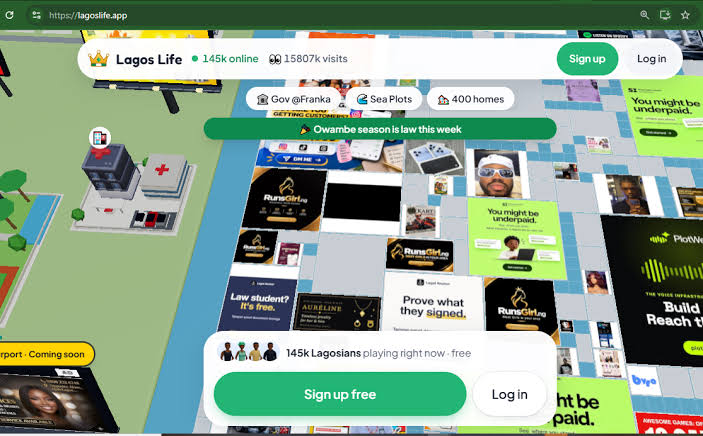
Vatar Inc., the team behind the hit Nigerian browser game Lagos Life, has raised $500,000 in pre-seed funding at a $10 million valuation, closing the round in less than a day shortly after the game's launch, according to a TechNext24 report.
The pre-seed round drew a lineup of prominent Nigerian technology executives. Olugbenga Agboola, chief executive officer of payments company Flutterwave, participated through his investment fund Resilience17. The investor roster also includes Oo Nwoye, Nathan Nwachuku, chief executive officer of Terra Industries, and Abdulhamid Hassan, chief executive officer of fintech Mono. Notably, the team completed the round in under 24 hours. The overlap is hard to miss: Lagos Life's internal economy centers on players earning and spending virtual naira, while its new backers built their names moving real money digitally.
Vatar was founded on October 6 by Shalom Rayhamen, Owen Rayhamen and Anderson Oriahi. The company is building a virtual world that reflects everyday life in Lagos, Nigeria. Within the game, players can design their own characters, find jobs, earn virtual naira, pay rent and ride the city's iconic danfo buses, all inside a vibrant digital environment filled with familiar Nigerian landmarks.
Since its launch on October 1, the game has pulled in millions of users. By October 8, Lagos Life had attracted 4.3 million players from 15 different countries, with more than 200,000 players online simultaneously during peak hours. As a browser game, Lagos Life requires no download — a web link is all a new player needs to enter the city.
Shalom Rayhamen said the funding will be crucial to strengthening product development, boosting marketing efforts and expanding the team to better serve the game's fast-growing community of players.
Lagos Life stands out in the gaming world with its free-to-play model. Rather than charging users to download the game, Vatar earns revenue through advertisements, partnerships with brands and music promotions. Businesses can showcase their products inside the virtual city, musicians can pay to have their songs played at in-game clubs, and players have the option to purchase virtual currency with real money to enhance their experience.
Since launch, Vatar has earned and secured more than $170,000, although the company has not disclosed whether it is profitable. The new round alone is close to triple that figure, giving the young team more capital to build, market and hire than its revenues since launch could fund on their own.
The game's rapid rise comes amid a surge of interest in Nigerian-made browser games, as developers move quickly to build innovative titles and tap the latest tools and technology to engage players.
Vatar now faces its biggest challenge: turning the initial excitement around Lagos Life into a thriving long-term business. The company aims to keep the game running smoothly while ensuring its growing community of players remains happy and engaged. How the coming months unfold will rest on two things already on record: whether the fast-growing player base stays engaged at scale, and whether the advertising, brand partnership, music promotion and virtual currency revenue streams behind the free-to-play model can grow with it.

