ECB President Christine Lagarde Blocked Binance's EU Entry, WSJ Reports
Key Takeaways
- •A Wall Street Journal report alleges ECB President Christine Lagarde personally intervened to stop Binance from operating in the European Union.
- •Binance lacks the MiCA license required for crypto-asset service providers in the EU and withdrew its application in Greece in June.
- •According to the report, Lagarde was worried Binance would entrench the dominance of dollar-based stablecoins in Europe rather than encourage euro alternatives.
- •Binance and its then-CEO Changpeng Zhao pleaded guilty to anti-money-laundering violations in 2023 and paid a record $4.3 billion fine.
- •Binance said in June it continues to pursue MiCA authorization in another EU member state, leaving its legal access to the bloc an open question.
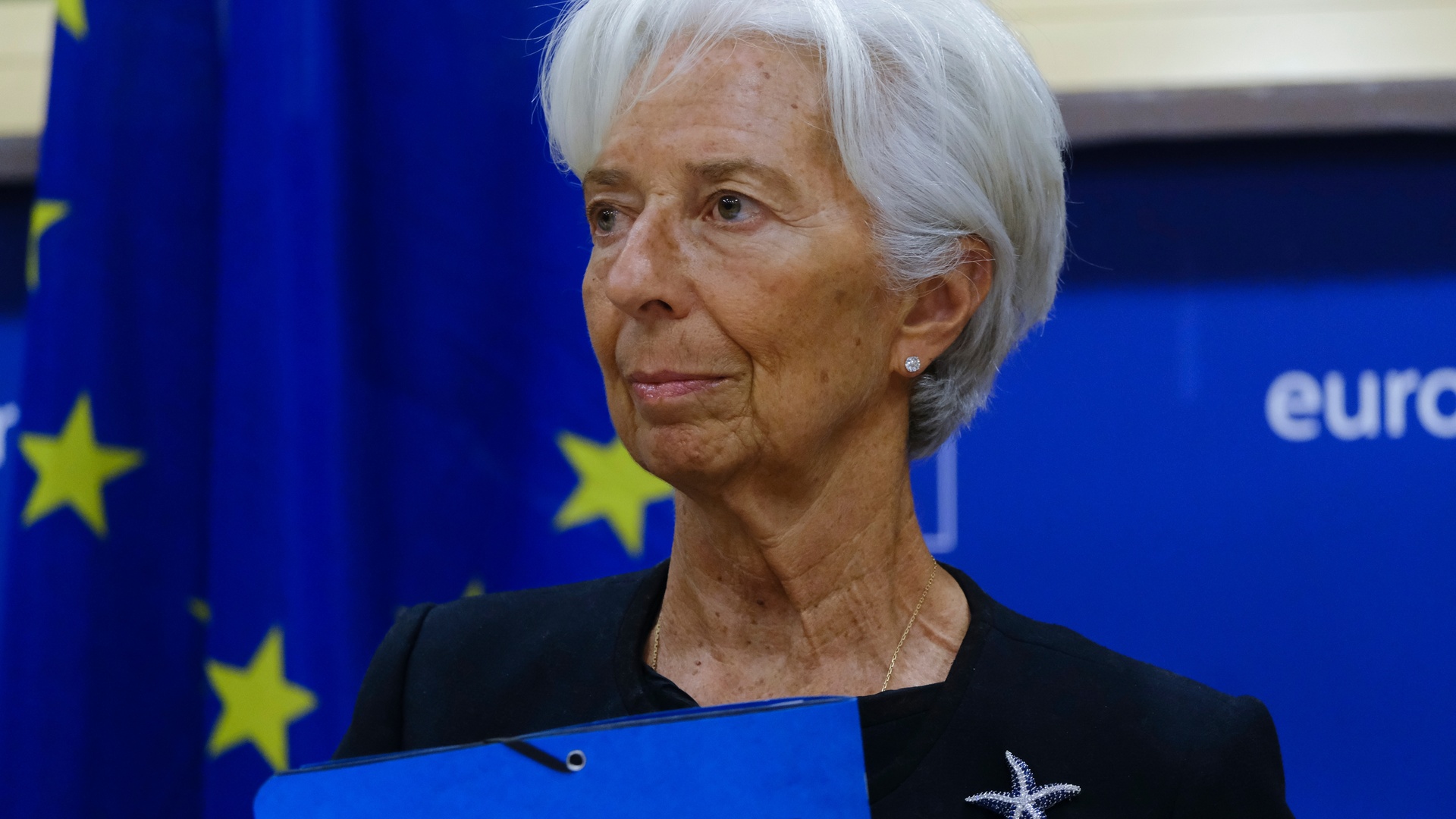
European Central Bank President Christine Lagarde intervened to block Binance from operating in the European Union, according to a Wall Street Journal report.
The newspaper said on Thursday that the world's largest crypto exchange was on the cusp of operating in the trading bloc before being told it could not proceed after the central bank chief waded in. If the report is accurate, the exchange remains without a legal route into the bloc until it secures a license of its own.
Under EU law, Crypto-Asset Service Providers (CASP) must hold a MiCA license — the Markets in Crypto-Assets framework that sets common rules for crypto firms across the bloc. Binance does not have one. The company withdrew its MiCA application in Greece in June.
"Lagarde wanted to keep the controversial crypto exchange, which pleaded guilty to financial-crime violations in the U.S., out of the European Union," the report said, citing interviews with officials.
Lagarde has long been critical of Bitcoin and supportive of central bank digital currencies. Back in 2021, she called the leading cryptocurrency "a highly speculative asset" used for money laundering, criticized cryptocurrencies as a whole, and said central banks would never hold bitcoin.
On CBDCs, however, Lagarde takes a different approach. A CBDC is a digital form of fiat money, such as the U.S. dollar or the euro, and nations around the world are at different stages of researching and releasing them. The EU under Lagarde is moving quickly forward with a digital euro, which she has described as key to Europe's financial autonomy while taking aim at privately issued stablecoins.
CBDCs have been criticized by bitcoiners and others in the crypto industry, who believe they could be used to surveil citizens. U.S. President Donald Trump signed an executive order banning CBDCs when he took office.
The Journal report added, citing various interviews, that Lagarde was worried Binance would embed the dominance of dollar-based stablecoins in Europe instead of encouraging euro counterparts. Binance is the world's biggest crypto exchange, and billions of dollars in stablecoins are traded on its platform daily.
Binance and its then-CEO, Changpeng Zhao, pleaded guilty to anti-money-laundering violations in 2023 and paid a record $4.3 billion fine.
Binance said in June that it was still working to pursue MiCA authorization in another EU Member State. The outcome of that effort is the key open question for the company's ability to serve customers in the bloc.
This article first appeared on Bitcoin Magazine and was written by Mathew Di Salvo.

