Arthur Laffer Warns Britain Is 'Taxing Itself to Death' Ahead of October Budget
Key Takeaways
- •Arthur Laffer, who advised three US presidents, warned that Britain's economy is in a 'death spiral' caused by excessive taxation and weak growth.
- •The UK tax burden as a share of national income is currently close to a post-war high.
- •The yield on the 10-year UK gilt rose to 5.294 per cent, its highest level since the 2008 global financial crisis.
- •Prime Minister Andy Burnham pledged his government would be 'grounded in fiscal responsibility' as bond market turmoil threatened his first parliamentary session.
- •Lord Jim O'Neill urged credible action on the pension triple lock and welfare spending to calm investor fears.
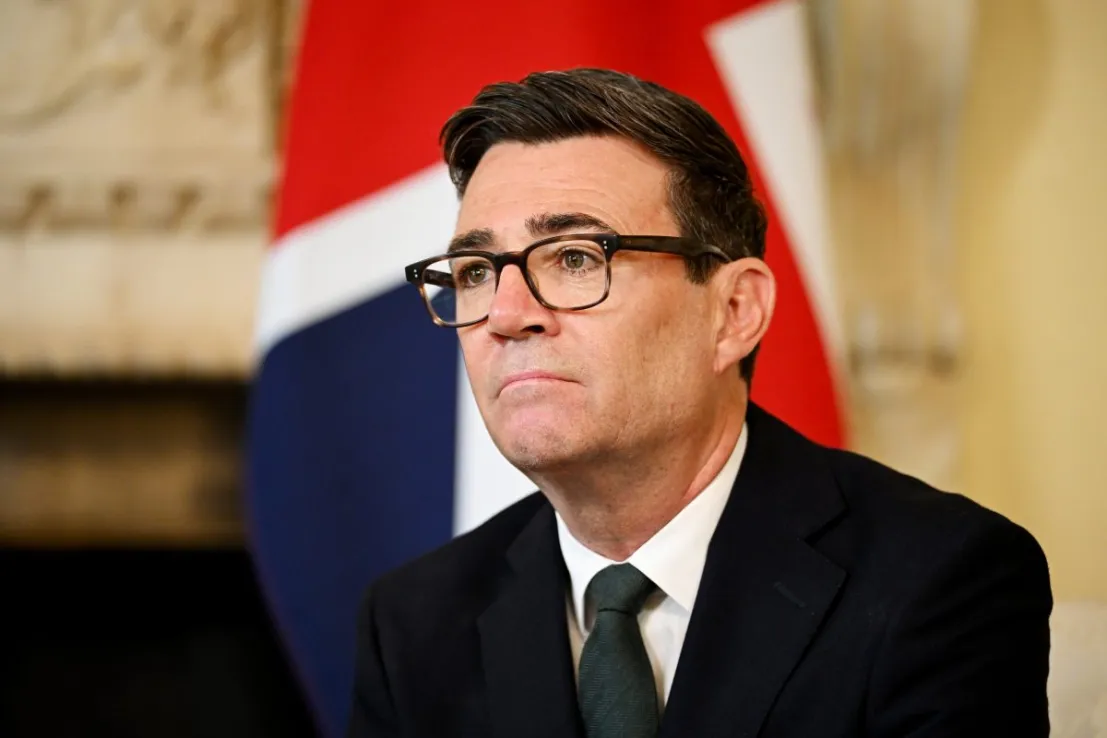
One of the United States' most prominent economists has warned Prime Minister Andy Burnham that Britain is "taxing itself to death", in a major intervention ahead of the October Budget.
Arthur Laffer, a former economic adviser to three US presidents, cautioned that the UK economy is caught in a "death spiral" in comments made ahead of a visit to the country.
Writing in The Telegraph, Laffer said: "I would love to see Britain become prosperous. That's my dream. [But] your record is not illustrating a good set of policies. It's really indicating exactly what you see when [an] economy gets in the death spiral.
"I have never heard of an economy being taxed into prosperity. What's happening is, Britain is taxing itself into death. Your problem is not too little revenue. Your problem is too little growth, too little prosperity."
Laffer advised Ronald Reagan, Bill Clinton and Donald Trump on economic policy and is best known for the 'Laffer Curve', a theory holding that tax revenues decline once rates are raised beyond a certain point. The idea rose to prominence during the Reagan era, when it underpinned the case for the large income tax cuts of the early 1980s, and it remains a touchstone of supply-side arguments over how much tax governments can raise before dampening economic activity. Critics of the theory contend that for most advanced economies, with top rates well below the levels of the 1970s, the effect applies only at the margins.
The economist also warned the Prime Minister that a fresh tax raid in next month's Budget would only deepen the perception that the government is losing its grip on the public finances. His intervention comes at a moment when Britain's tax burden, measured as a share of national income, already sits close to a post-war high, a backdrop that has intensified debate on both sides of the Atlantic over whether further rises risk choking off growth.
Borrowing costs surge
Global borrowing costs have soared to record levels in recent weeks, as investors reacted to inflation fears driven by the Iran war and rampant spending on artificial intelligence.
Rising yields on government bonds first unsettled the US Treasury in mid-August, prompting Treasury Secretary Scott Bessent to take emergency action and double the volume of government bond buybacks.
The rout in borrowing costs reached the UK last week, when the yield on the 10-year gilt climbed to 5.294 per cent — the highest level since the 2008 global financial crisis. For a chancellor managing the public finances, higher gilt yields feed directly into debt-servicing costs, and the UK's large stock of inflation-linked bonds makes it unusually sensitive to such market moves.
The bond market turmoil threatened to overshadow the opening of Andy Burnham's first parliamentary session as Prime Minister, leading him to pledge that his government would be "grounded in fiscal responsibility".
Lord Jim O'Neill, a former economic adviser to Burnham who declined a formal role in his government, urged the Prime Minister to take immediate steps to calm investor fears.
Bond markets would respond positively, he said, if Burnham took "credible action to deal with the excesses of the triple lock or the excesses of welfare spending". The triple lock — the mechanism that raises the state pension each year by the highest of inflation, wage growth or 2.5 per cent — is one of the largest drivers of long-term welfare spending, which is why it is repeatedly cited by economists as a pressure point for any government seeking fiscal credibility.

