Nobel Laureate Krugman Warns of 'Possibly Permanent' Era of Job Stagnation Under Trump
Key Takeaways
- •Krugman said the Trump-era slowdown in job growth has become a possibly permanent period of stagnant employment.
- •He argued that the administration’s efforts to deport millions of undocumented immigrants are already weighing on the economy.
- •The Bureau of Labor Statistics reported that employment fell in July and revised earlier months downward.
- •A separate jobs report showed the U.S. lost 23,000 jobs between June and July, with gains only in health care and social services.
- •Krugman said fewer workers would mean less tax revenue and could leave the country poorer with a lower quality of life.
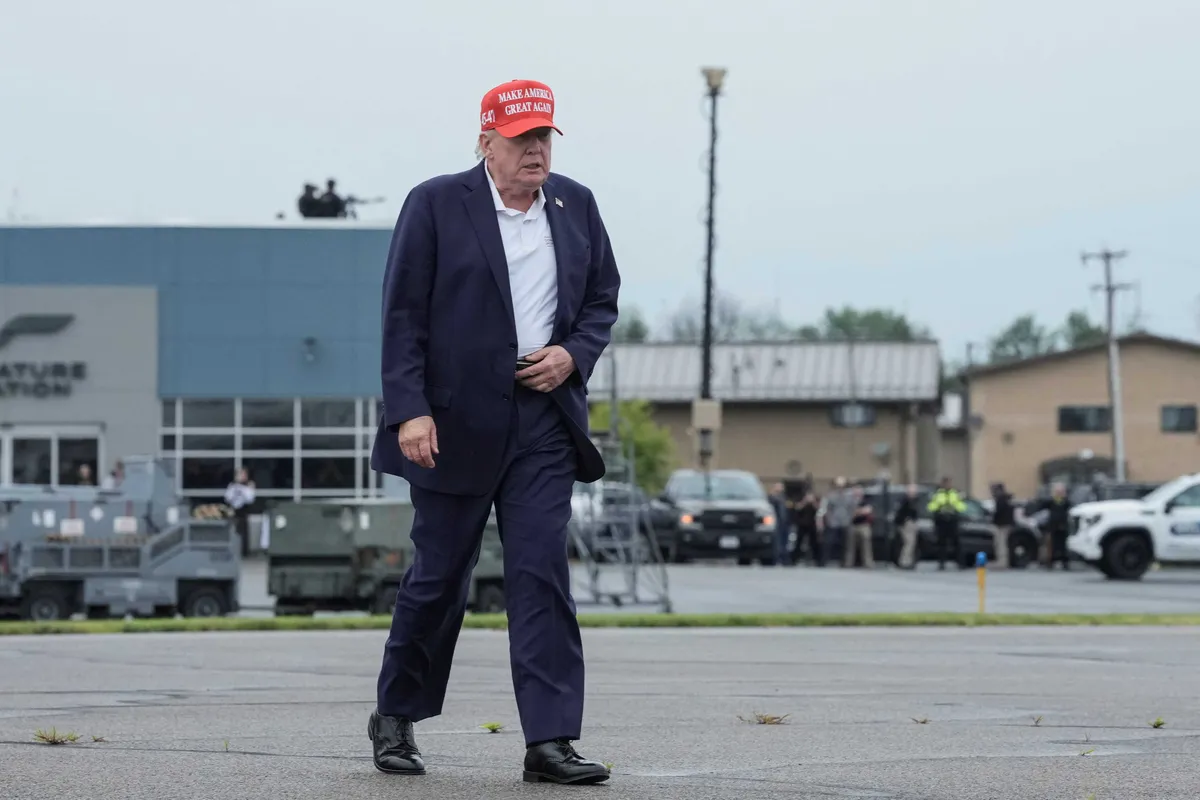
Nobel Prize-winning economist Paul Krugman says the U.S. economy under President Donald Trump has entered a "possibly permanent" era of stagnant employment — a development he says has confirmed the fears of many of America's top economists.
Throughout Trump's second term, the administration has sought to deport millions of people it claims are in the country illegally. According to Krugman, those efforts are already starting to weigh on the U.S. economy, and if they continue, he warned, the economy may never recover.
"Since Donald Trump returned to the White House ... job growth has slowed to a crawl," Krugman wrote in a new Substack essay on Sunday. "Granted, it's nothing like the plunge in employment that took place in 2020, as Covid shut much of the economy down. And a couple of strong job reports earlier this year encouraged some observers to believe that the worst of the Trump II job drought might be over."
"But the most recent Employment Situation report from the Bureau of Labor Statistics estimated that employment actually fell in July, while simultaneously revising the estimates for earlier months down," he added. "Thus July's report confirmed the now widespread view among economists that the Trump-era job slowdown isn't a blip. It's now clear that America has entered a new, possibly permanent era of stagnant employment."
Earlier this month, the Bureau of Labor Statistics released a jobs report showing that the country lost 23,000 jobs between June and July. The only industries to record growth during that period were health care and social services, a pattern that some analysts say points to the overall weakness of the economy.
For employers and policymakers, the significance of the data is less about one monthly report than about the labor supply and tax base it reflects: if job creation remains subdued, the government has fewer workers contributing payroll and income taxes at the same time that spending obligations do not change. That tension is one reason economists watch employment trends closely, especially when changes in immigration policy are part of the picture.
Krugman highlighted several challenges that could accompany the new economy Trump is creating.
"Well, it is indeed a problem. One reason is that America's responsibilities — to ensure national security, to take care of retirees, maintain public infrastructure and provide health care — remain the same, but there will now be fewer workers, paying less taxes, than previously expected to meet those responsibilities," he wrote. "Moreover, foreign-born workers bring distinct skills and are willing to do jobs native-born workers shun, such as emptying bedpans and picking fruit. Removing them from the U.S. economy will leave the rest of us poorer and with a lower quality of life."
Source: Raw Story

