Trump's Diesel Export Ban Plan Won't Spare GOP a 'Huge Defeat,' Nobel Economist Paul Krugman Warns
Key Takeaways
- •President Donald Trump has proposed an export ban on American diesel as soaring fuel prices weigh on voters less than six weeks before the 2026 midterm elections.
- •The proposal has faced pushback from some conservative Republicans, with outgoing Sen. John Cornyn of Texas dismissing it as a gimmick.
- •Nobel-winning economist Paul Krugman argues the ban would amount to a breach of contracts with fossil fuel companies that supported Trump's campaign to expand production.
- •Because the Northeast and West Coast import much of their diesel and heating oil, a ban could raise energy prices in parts of the United States even as it lowers them near the Gulf Coast.
- •Federal law gives the executive branch authority to curtail refined petroleum product exports when supply runs short, and Washington barred most crude oil exports for four decades until Congress lifted the ban in 2015.
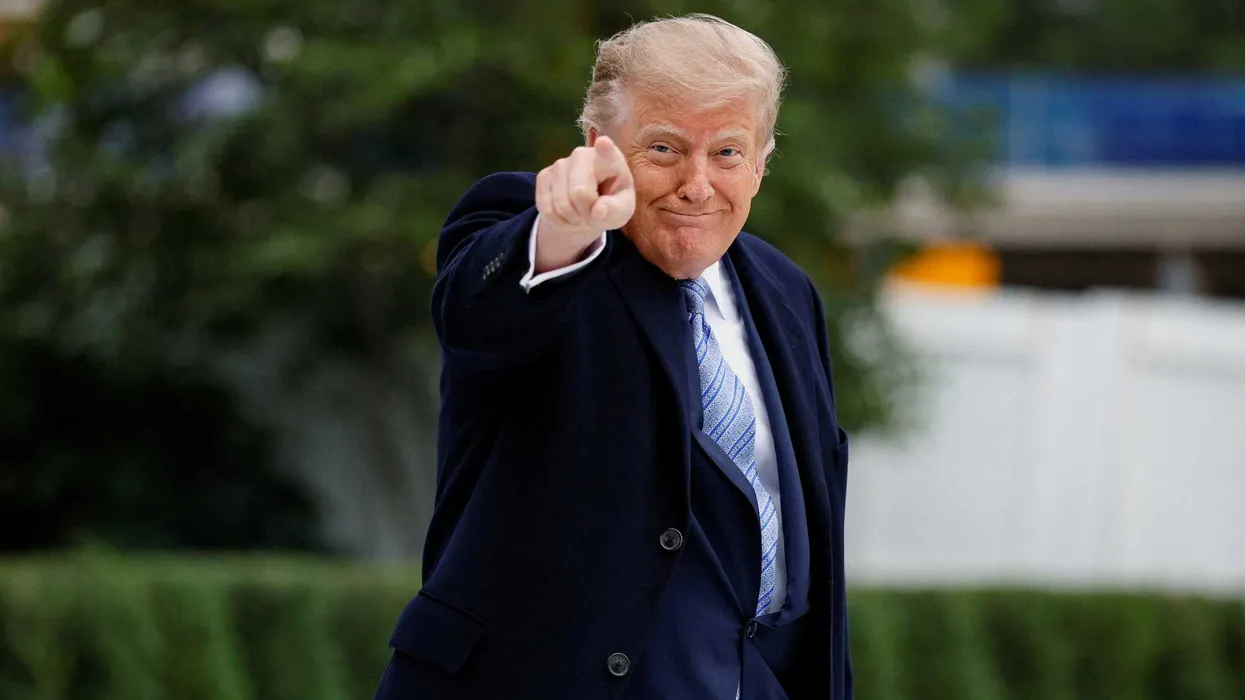
With diesel prices continuing to soar and the United States' 2026 midterm elections less than a month and a half away, President Donald Trump is proposing an export ban on American diesel, a move reported by Alternet. Diesel is the workhorse fuel of the American economy, powering freight trucking, rail, agriculture, and construction, so swings in its price tend to feed quickly into the cost of everyday goods. The proposal has drawn a chilly reception from some conservative Republicans, including outgoing Sen. John Cornyn (R-Texas), who dismissed it as a "gimmick." Nobel-winning economist Paul Krugman, in a biting Substack column, argues that the plan is a "really bad idea" that will not spare Republicans a "huge defeat" in the midterms.
"There's a strong whiff of desperation coming off the Republican Party these days, and it smells a lot like diesel fumes," Krugman writes. "All indications are that the GOP is headed for a huge defeat in the midterms, and soaring prices of fuel — especially diesel — are a significant factor in the party's dim prospects. Now, Trump is considering an export ban of American diesel in order to temporarily reduce domestic diesel prices. As of this morning, it's unclear whether this will actually happen. But I think a diesel export ban is highly likely, and not just because it would be one of the few Hail Mary plays left for an epically corrupt president who must greatly fear the prospect of facing Democrats with subpoena power and criminal referrals."
Krugman adds, "Beyond that, a sudden ban on diesel exports would, in effect, be a broken promise — a de facto breach of multiple contracts."
The Nobel laureate notes that Trump campaigned aggressively on expanding fossil fuel production, and that the export ban would represent a "breach of contract" with the fossil fuel companies that supported him. Export restrictions on American energy are not without historical precedent: Washington barred most crude oil exports for four decades before Congress lifted the ban in 2015, and federal law gives the executive branch authority to curtail exports of refined petroleum products when supply runs short.
"Jared Bernstein has a really clear explanation of why such a ban would do little to help most Americans with affordability problems," Krugman explains. "Much of it comes down to regional differences. U.S. diesel exports come from the Gulf Coast, and cutting off those exports would indeed temporarily reduce diesel prices in and around Texas, while driving prices up in the rest of the world. But in this case, 'the rest of the world' includes much of the United States. Both the Northeast and the West Coast buy much of their diesel — and heating oil, which is a closely related commodity — from other countries. So a ban on U.S. exports, by driving up world prices, would actually make energy more expensive in some parts of the country."
According to Krugman, the world is witnessing "a competition between two visions of the world's energy future One promotes "electrification of cars and much else, powered by sun and wind," while the other — the path Trump embraces — favors "continuing reliance on fossil fuels."
"Now, the world knows that we can't, in fact, be trusted as an energy supplier — that we may suddenly cut off fossil fuel exports whenever doing so might yield even temporary domestic political advantage," Krugman warns. "So, a diesel export ban would probably do little to assuage U.S. concerns about affordability. It would create uncertainty that deters business investment, in energy and other industries. And it would further weaken America's hand in its geopolitical rivalry with China over energy."
"In short, a ban would be a really bad idea," Krugman concludes. "Which is why it's probably going to happen."

