Nobel economist Paul Krugman urges swift reckoning for Trump and his 'accomplices'
Key Takeaways
- •Paul Krugman, winner of the 2008 Nobel Memorial Prize in Economic Sciences, called on Democrats to pursue accountability for President Donald Trump and his allies swiftly rather than treating it as a long-term project.
- •Democrats won the midterm popular vote by roughly 14 points, a sharp contrast with Trump's 1.5-point popular vote win in the 2024 election.
- •Krugman cites a large shift of Latino voters toward Democrats and polling analysis by G. Elliott Morris suggesting ICE's actions cost Republicans more votes than inflation did.
- •He argues the election results support a "gestalt theory" in which voters weighed corruption, ICE's conduct, and the Iran situation together rather than scoring issues separately.
- •Krugman recommends quick affordability measures such as eliminating tariffs, restoring Obamacare subsidies, and ending the war in Iran, alongside a broad anti-corruption agenda.
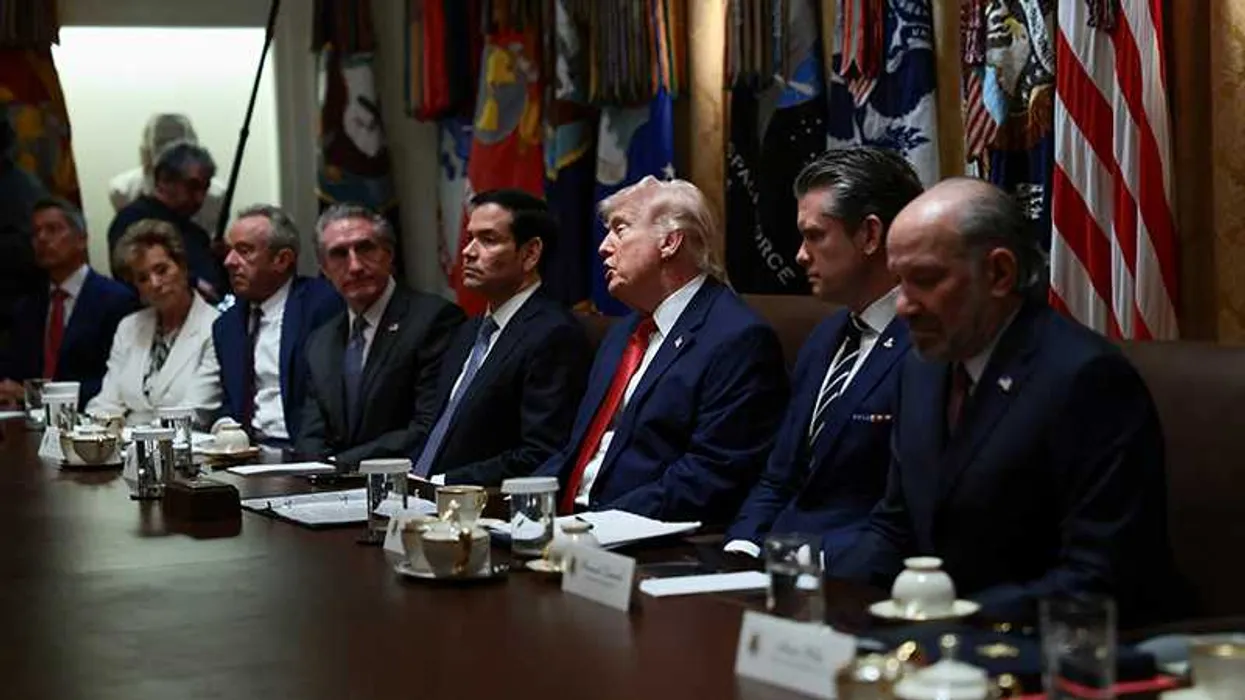
Nobel Prize-winning economist Paul Krugman is urging Democrats not to let President Donald Trump and his "accomplices" off the hook in the wake of the party's historic midterm election win. The appeal carries weight coming from Krugman, who won the Nobel Memorial Prize in Economic Sciences in 2008 and has spent decades writing about the intersection of economics and American politics, and it lands at a consequential moment: how a party interprets its own victory tends to shape the agenda it pursues afterward.
In a Substack post on Wednesday, Krugman writes that while building a long-term agenda to make life more affordable for Americans will be a legislative "long slog," holding Trump and his accomplices accountable "can and should be done swiftly." He also advises the party to embrace a strong anti-corruption agenda that is not limited to one party. Krugman does not specify which officials he has in mind, nor whether he means pursuing investigations or prosecutions — leaving the mechanics of any accountability push as one of the immediate unknowns as the post-election debate unfolds.
Krugman also rejects the notion, advanced by some commentators and politicians, that Democrats won solely because they were the party of affordability. He cites NBC News as well as House Democratic leader Hakeem Jeffries, who says his party will be "laser-focused on addressing the affordability crisis." In Krugman's view, however, that narrative disregards the fact that Trump wielded the presidency in a highly autocratic fashion and with clear corruption. Pundits and politicians, he argues, are eager to "ICEwash and griftwash" the midterms. The disagreement is more than semantic: whether the win is read as a mandate on prices or as a verdict on power and corruption points Democrats toward very different legislative priorities in the months ahead.
He notes that Trump won the 2024 popular vote by 1.5 points in what was, at heart, an election about the cost of living. This year, Democrats won the popular vote by about 14 points. Midterm elections are traditionally read as referendums on the party holding the White House, which is part of why the size of that swing has become central to the fight over what the result actually means.
Krugman points to the huge shift among Latino voters to the left as clear evidence that Trump's deportation policy hurt Republicans badly. He notes that polls suggested corruption was a major issue for voters, and that the work of poll analyst G. Elliott Morris indicated that the actions of ICE may have cost Republicans more votes than inflation did.
Krugman also argues that the election supports a "gestalt theory," under which voters are not simply adding up scores on separate issues. In his telling, Trump's corruption made voters more sensitive to the fact that their standard of living was slipping; the brutality of ICE made Democratic warnings about Trump's authoritarianism more believable; and the debacle in Iran made voters more skeptical of everything else the administration promised or said it would do, and of its competence.
Trump urged voters to cast their ballots as if he were on the ballot, and voters took him at his word, Krugman writes. Republicans who tried to distance themselves from Trump fared no better than those who embraced him. Voters, he writes, came to see Trump and his "lackeys" as primarily responsible for the country's crises.
Many pundits, he says, are downplaying this. Much of the political class, he suggests, remains in a state of flinch after losing to Trump twice, and does not yet fully believe that voters care about more than what is happening at their kitchen tables.
Krugman says Democrats should still pursue an honest affordability agenda, starting with quick wins such as eliminating the tariffs, restoring the Obamacare subsidies, and ending the war on Iran. But the big lesson from the midterms, he argues, is that politics is more than the kitchen table. Whether Democratic leaders pair those economic steps with the anti-corruption agenda he outlines — or keep the two tracks separate — will be a clear sign of which interpretation of the victory ends up guiding the party.

