Nobel economist Paul Krugman warns of right-wing crypto 'bribery' scheme to sway the midterms
Key Takeaways
- •Krugman said polling gives Democrats a 97% chance of taking the House and two-to-one odds of capturing the Senate, while cautioning that late spending could alter the result.
- •He said crypto-backed groups spent $38 million to help flip Ohio’s Senate seat in 2024 and have spent another $30 million to oppose Sherrod Brown’s return.
- •Krugman cited Federal Reserve data indicating that only 2% of Americans have used cryptocurrency to purchase something other than assets.
- •He claimed crypto companies have directed money to politicians and their relatives, including approximately $1.4 billion that President Donald Trump has personally made from crypto.
- •Krugman said the industry’s influence after the election will reveal how effectively money can shape lawmakers and democratic outcomes.
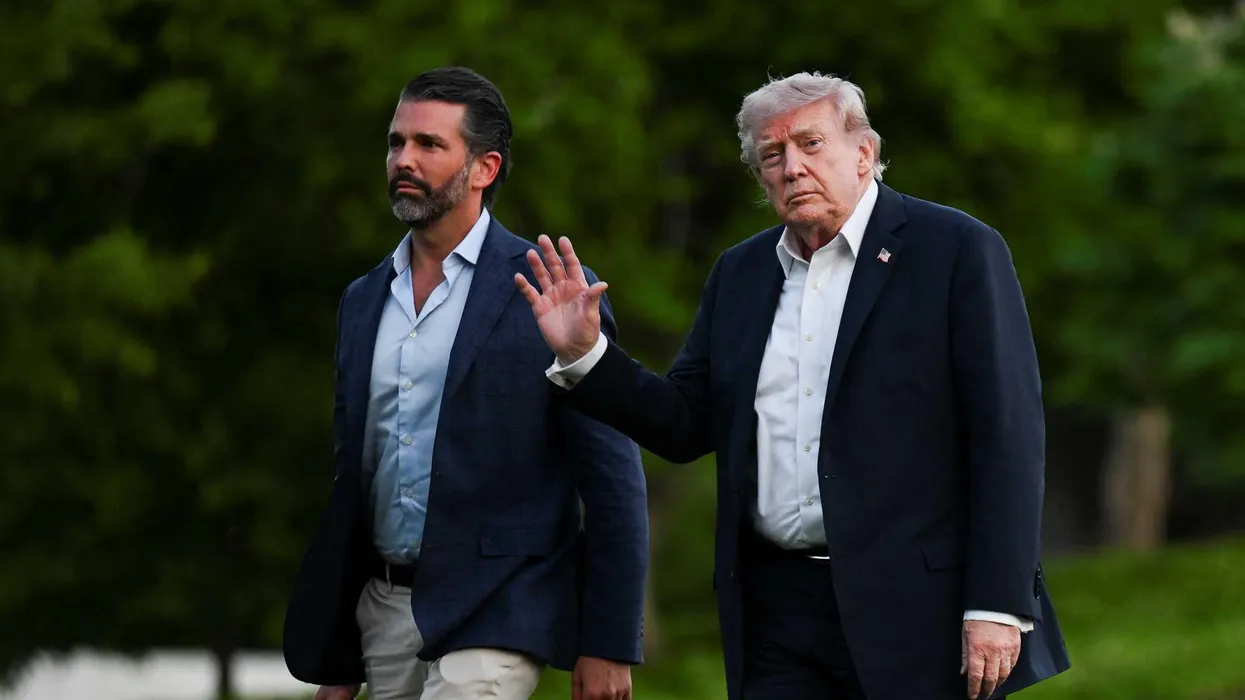
Nobel Prize-winning economist Paul Krugman warned on Tuesday that a "scheme" is underway to influence the results of the upcoming midterm elections and to buy favor with the winning candidates — an effort he says has already purchased influence with President Donald Trump and his sons.
Writing on his Substack, Krugman argued that while cryptocurrency "has not succeeded in creating a viable business in the normal sense, it has been extraordinarily successful at buying political influence – and they're set to do it again."
According to Krugman, polling and general impressions currently point to a strong Democratic performance. "The midterm elections look – based upon polling, based upon just impressions – look like a big blue wave," he said. "Elliot Morris gives the Democrats a 97 percent chance of taking the House and two-to-one odds of taking the Senate. But there's still a few weeks to go and it looks like there's a big wave of right-wing money that's going to come crashing in. We don't know how effective that will be. The role of money in politics, particularly of last-minute advertising blitzes, is somewhat unclear. But it is coming and crypto is going to be a pretty big part of it."
Krugman's warning therefore centers on two uncertainties he identified: how much late campaign spending can affect the vote, and whether political influence purchased before the election will shape lawmakers' actions afterward.
Krugman noted that the crypto industry spent heavily in the 2024 cycle and is positioned to spend even more in 2026 — an unusual step for a midterm year. "But this industry is going to go all in," he asserted. "The crypto political strategy has been to knock out candidates that it considers hostile, and that is a strategy that was very effective in the last election cycle."
He explained that the industry directed large sums toward defeating crypto-skeptical Democrats in favor of prospective allies from either party. In Ohio, for example, crypto-backed spending of $38 million helped flip a blue Senate seat red, and this year the industry has spent another $30 million to block Democrat Sherrod Brown from winning the seat back.
After victories like Ohio, Krugman said, "crypto became seen in Washington as a force to be afraid of," even as he argued that the sector is "still barely used for legitimate transactions." Instead, he claimed, it is "pretty much only for criminal activities, including, by the way, Iranian efforts to bypass U.S. sanctions."
Citing the Federal Reserve, Krugman noted that only 2 percent of Americans have actually used crypto to buy something other than assets. "But the political effectiveness has been huge, and it has intimidated a lot of politicians," he said. "Back in February, Chuck Schumer warned his colleagues not to do too much to offend Fairshake, the big crypto lobbying group."
Beyond campaign contributions, Krugman added, the industry has engaged in "a lot of what in the old days we would call bribery," pointing to money flowing from crypto companies to politicians and their relatives — "and not just Trump." "They couldn't actually produce stuff," he said, "but if we count the $1.4 billion or so that Trump personally has made from crypto as part of its campaign contributions, then crypto may be the biggest single political financial force out there."
If the blue wave materializes, Krugman warned, the industry will not stop exerting influence simply because a particular seat flips to the Democrats, and it may resort to outright "bribery." At the same time, he asserted, buying Democratic influence is "a completely different universe from the Trumpian Republican Party, and so the crypto industry knows that if Democrats really do sweep, if this is a blue wave which brings them not just the House but the Senate, it will be a less favorable environment, so their scam will be greatly endangered."
Krugman concluded that the post-election period will serve as a test of American democracy itself: "I guess we're going to learn something about how much of a democracy we remain. I mean, yes, a vote is a vote, even if it's a vote that was influenced by money, but we're going to find out: can a wave of largely corrupt money – clearly totally corrupt in the case of crypto, but largely corrupt in other cases – can a wave of corrupt money stop a popular electoral uprising against a really disastrous administration and its allies in Congress?"

