Nobel Economist Krugman: US Allies Moving Gold Reserves Show America 'Is No Longer Trusted'
Key Takeaways
- •The Dutch Central Bank announced it is moving about $12 billion in gold from the New York Fed's vault to the Bank of England in London.
- •France's central bank previously shifted an even larger amount of gold from New York to Paris, and other countries are considering similar relocations.
- •Krugman argues that many of Trump's tariffs violate past U.S. trade agreements, making fears that the U.S. could seize foreign gold held at the Fed no longer far-fetched.
- •A large share of the world's monetary gold reserves is stored in a vault beneath the Federal Reserve Bank of New York, with transfers typically handled by moving ingots between compartments.
- •Krugman says the relocations' direct financial impact will be minimal but their symbolism is chilling, and rebuilding trust will take years even after Trump leaves office.
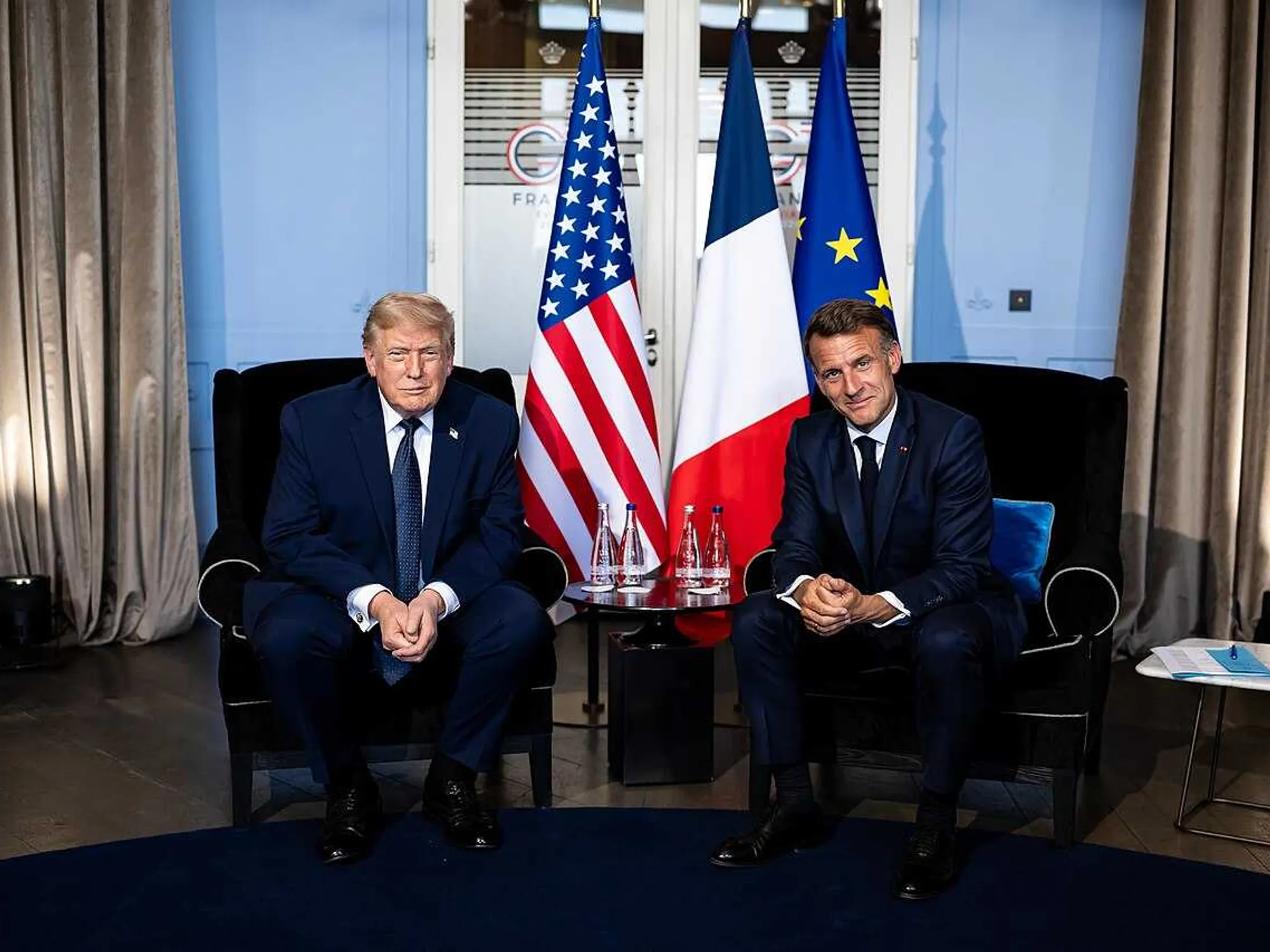
Roughly nineteen and a half months after returning to the White House, U.S. President Donald Trump has alienated many of the United States' closest allies through steep tariffs, the Iran war, and threats to take Greenland by force. According to economist Paul Krugman, some of those allies are now taking steps that demonstrate the United States "is no longer trusted."
In a Substack column posted Friday morning, Krugman warns that fears Trump and his allies might "seize gold" no longer seem far-fetched — and that U.S. allies are acting to protect themselves. Krugman, who won the Nobel Memorial Prize in Economic Sciences in 2008 for his work on trade patterns and economic geography, has been a persistent critic of Trump's economic policies.
"'Rule of law' is not a phrase often applied to the Trump administration," Krugman argues. "And the administration has special contempt for international law. Many of Trump's tariffs have been ruled illegal under U.S. law, but more or less all of those tariffs were and are in clear violation of past agreements solemnly signed by previous U.S. presidents, including Trump himself. So, the idea that the U.S. government might devise some excuse to seize gold held in the Fed's vault is no longer far-fetched. And nations are taking precautions."
The former New York Times columnist continues: "Earlier this week, the Dutch Central Bank announced that it was shifting about $12 billion in gold from the vault in New York to the Bank of England's vault in London. This follows a move by the French Central Bank to shift an even larger sum from New York to Paris. Other countries are considering similar moves."
Krugman notes that while the "direct economic or financial impact of these actions will be minimal," the "symbolism is chilling."
"America is no longer trusted," the economist warns. "Foreign governments can no longer count on us to obey the most basic rules, like the commandment that thou shalt not steal other people's gold. And even when Trump is gone, it will take many years of honest, responsible U.S. government to restore that lost trust."
In his column, Krugman explains how central banks handle gold reserves — a system built on decades of confidence in U.S. custody. During the Cold War, many countries kept gold in New York for safekeeping against threats at home; after the Cold War ended, some nations, including Germany and the Netherlands, began gradually repatriating portions of their reserves. The Dutch and French decisions cited by Krugman continue that pattern, but under markedly different circumstances: concern about the reliability of the custodian itself.
"For the most part, monetary gold — gold held as reserves by national central banks — is a lot like the stones of Yap," Krugman notes. "Central banks own trillions of dollars' worth of gold, which they sometimes sell to each other to settle international payments. But these transfers rarely involve physically moving gold across borders. A large fraction of the world's gold reserves actually sits in a vault underneath the Federal Reserve Bank of New York, although the New York Fed does move ingots between compartments when transfers take place. And why not? The sanctity of nations' ownership of gold stored in New York is guaranteed by the word of the U.S. government — a government that is utterly reliable, because it honors the role of law. Or anyway, that's the country we used to be."
