KOSPI Nears 6,500 Level Ahead of SK Hynix Earnings
Key Takeaways
- •Analysts view a sustained KOSPI break below 6,500 as a possible sign of wider weakness in AI-related stocks.
- •SK Hynix is a key indicator for semiconductor demand because it supplies high-bandwidth memory used in AI accelerators.
- •Further KOSPI declines could increase pressure on Samsung Electronics, Micron, and other AI and semiconductor supply-chain companies.
- •A rebound above 6,500 after SK Hynix reports earnings would suggest market concerns may have been overstated.
- •Investors will watch SK Hynix’s earnings call for updates on AI memory demand, capacity expansion, customer orders, and margins.
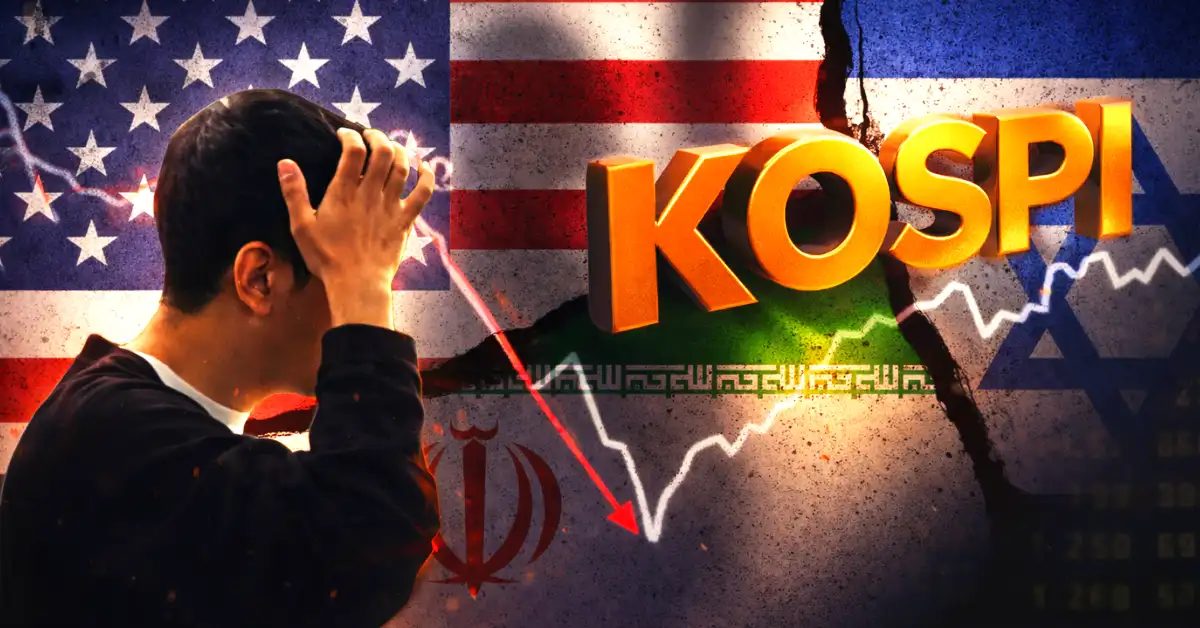
The KOSPI index is moving toward the key 6,500 level ahead of SK Hynix’s earnings report, with analysts warning that a sustained break below that threshold could point to broader weakness among AI-related stocks.
SK Hynix, a major supplier of high-bandwidth memory (HBM) used in AI chips, is viewed as an important indicator of demand across the semiconductor sector. HBM is a key component for AI accelerators because it helps process large volumes of data at high speed, making SK Hynix’s shipment trends, pricing commentary, and guidance relevant beyond South Korea’s equity market.
The KOSPI is South Korea’s benchmark stock index, and large technology and semiconductor companies carry significant weight in investor sentiment toward the market. Analysts said a deeper decline in the KOSPI could add selling pressure on Samsung Electronics, Micron, and other companies linked to AI and semiconductor supply chains. Conversely, a rebound above 6,500 after SK Hynix reports earnings would suggest that investor concerns were overstated rather than evidence of a wider market breakdown.
Investors will be watching whether SK Hynix’s earnings call confirms continued demand for AI-related memory products, as well as any comments on capacity expansion, customer orders, and margins. Those details could help clarify whether recent pressure reflects company-specific positioning, broader semiconductor caution, or a wider reassessment of AI-linked equities.

