CEOs of South Korea's Five Major Banks Summoned for Parliamentary Audit Over Cyberattacks
Key Takeaways
- •The heads of KB Kookmin, Shinhan, Hana, Woori, and NH NongHyup banks were summoned as witnesses for Monday's National Assembly audit of the Financial Supervisory Service.
- •This is the first time since 2022 that the CEOs of all five major South Korean lenders have been called to a parliamentary audit together.
- •Shinhan Bank endured the largest disclosed breach, affecting about 25,000 customers, while leaks at KB Kookmin involved 119 people and at Hana Bank 89 customers.
- •Shinhan earmarked 40.59 billion won ($30.5 million) for information security this year, down 10.4 percent from a year earlier and the lowest allocation among the five banks.
- •All five CEOs' terms expire on Dec. 31, and the FSS's investigation into the incidents and the banks' internal controls could affect their reappointment prospects.
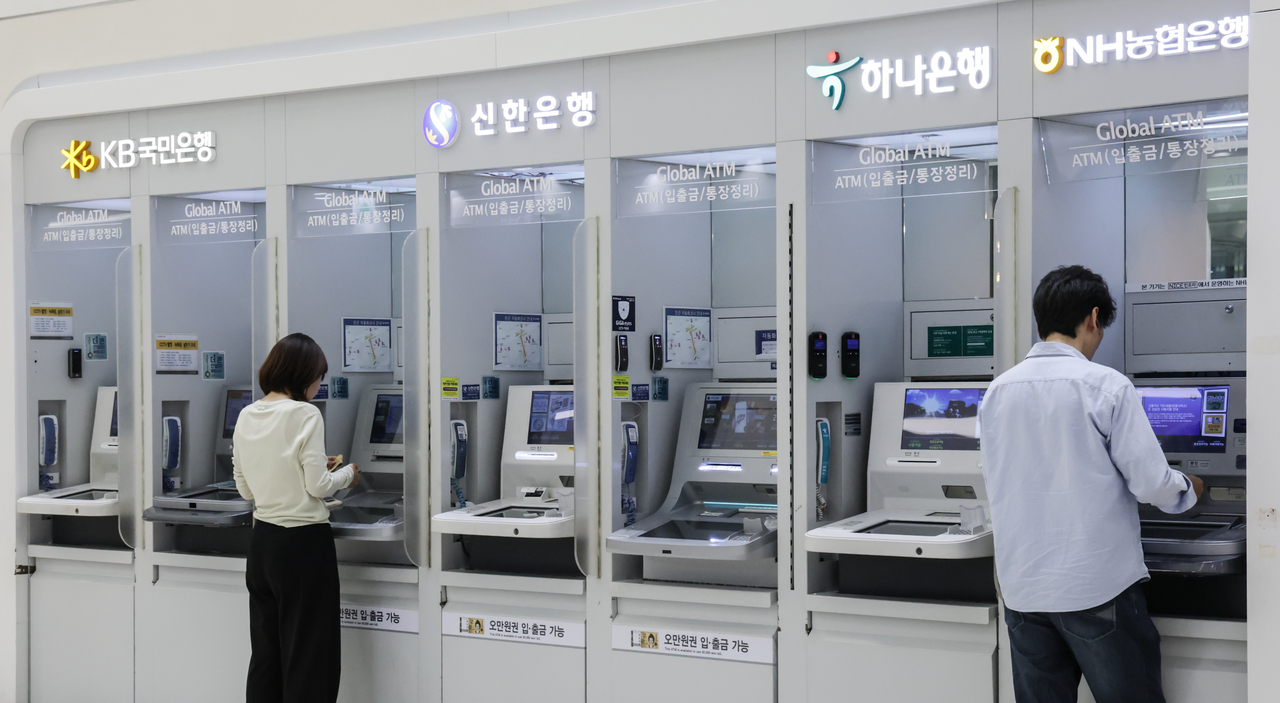
The chiefs of South Korea's five major commercial banks are set to appear before a parliamentary audit on Monday, where they will face questions over a recent wave of cyberattacks that exposed the personal data of customers and bank employees.
The National Assembly's National Policy Committee approved a motion on Oct. 8 to summon KB Kookmin Bank CEO Lee Hwan-ju, Shinhan Bank CEO Jung Sang-hyuk, Hana Bank CEO Lee Ho-sung, Woori Bank CEO Jung Jin-wan and NH NongHyup Bank CEO Kang Tae-young as witnesses for an audit of the Financial Supervisory Service (FSS). The arrangement puts the lenders' own executives on the witness list at a hearing focused on the financial regulator, tying questions about the FSS's oversight directly to the banks' security practices.
It marks the first time since 2022 that the heads of all five major lenders have been summoned to a parliamentary audit, when scrutiny centered on embezzlement and internal control failures.
Lawmakers are expected to focus on the recent spate of cyberattacks targeting local banks and the lenders' responses to those incidents. The joint appearance of all five chiefs underscores that the incidents have become a sector-wide issue for Korea's banking industry rather than a problem confined to a single institution.
Shinhan Bank suffered the largest disclosed breach, affecting about 25,000 customers. Data leaks at KB Kookmin Bank involved 119 people (99 customers and 20 employees), while Hana Bank's incident affected 89 customers. Woori Bank and NH NongHyup Bank also faced similar attacks, though neither resulted in data breaches. The wide gap in scale is likely to serve as a reference point as lawmakers compare how each lender's defenses and responses held up.
Shinhan's cybersecurity budget is likely to come under particular criticism at the audit, as the bank endured the most severe attack while spending the least on security among the five lenders. Shinhan earmarked 40.59 billion won ($30.5 million) for information security this year, down 10.4 percent from a year earlier, according to FSS data released Friday by Rep. Park Dae-chul of the opposition People Power Party. It was the only one of the five major banks to allocate less than 50 billion won for information security.
The reappointment of the five bank chiefs is also expected to draw attention at the audit. All five CEOs' expire on Dec. 31, with four of them facing their first reappointment. Shinhan Bank CEO Jung, who took office in 2023, is approaching the end of his second term.
The CEOs of Shinhan, KB Kookmin and Hana banks had been expected to secure relatively smooth reappointments on the back of strong earnings. The recent hacking incidents, however, could complicate their chances.
The FSS is investigating the circumstances of the incidents as well as the banks' internal control systems, and its findings could potentially affect the reappointment of the bank chiefs. With the hearing set for Monday and the CEOs' terms running to Dec. 31, the chiefs' testimony and the regulator's findings could shape how the year-end reappointment decisions unfold.
Source: Korea Herald

