Korean 15-Year-Olds' Reading Ability Fell Sharply Over Past Three Years, OECD Report Shows
Key Takeaways
- •Korean students' average PISA reading score fell 14 points to 501 in 2025 from the 2022 assessment.
- •The assessment covered about 760,000 students across 91 countries, including 6,859 Korean students at 196 schools.
- •Singapore, the top-ranked country in both 2022 and 2025, saw its reading score decline from 543 to 535, as did Japan from 516 to 503.
- •Korean math and science scores declined only negligibly, indicating the drop was concentrated in reading.
- •Education ministry officials linked the reading decline partly to students' reading motivation and attitudes being affected by increased digital and social media use.
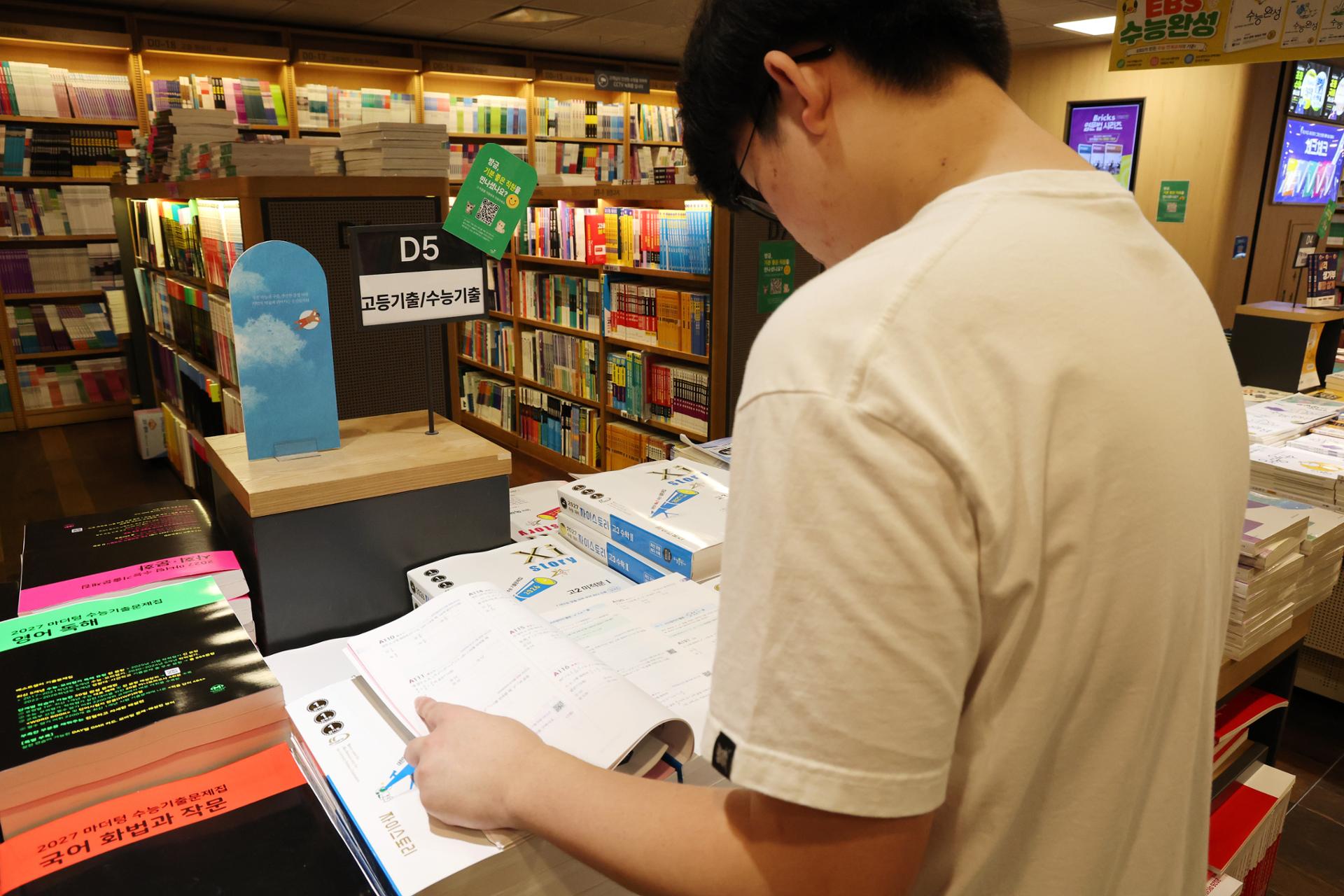
The reading ability of Korean 15-year-olds dropped significantly over the last three years, an OECD report showed Tuesday, likely partly due to increased use of digital and social media.
According to the Organization for Economic Cooperation and Development's Programme for International Student Assessment (PISA) 2025, Korean students' average reading score was 501, down 14 points from the previous assessment in 2022. PISA, launched in 2000, is the world's most widely used international benchmark of student performance, and its results often shape education policy debates in participating countries.
The latest assessment was conducted over three years, involving approximately 760,000 students across 91 countries, including 38 OECD member states. The programme assesses and compares 15-year-olds' skills in reading, mathematics and science across countries and has been carried out every three years, though future editions will be released every four years.
In Korea, the assessment covered 6,859 students at 196 schools. Korea's reading score placed the country between third and 13th, compared with second to 12th in 2022. The report assigns ranking ranges rather than a single rank to each country in consideration of the margin of error.
"It is difficult to identify a single cause for lower reading scores across the world," an education ministry official said, referring to findings that Singapore, the top-ranked country in both 2022 and 2025, also saw its score decline from 543 to 535 over the same period. Japan, meanwhile, fell from 516 points in 2022 to 503 in 2025. The breadth of the decline across high-performing systems suggests the pattern is international rather than specific to Korean schools.
"It appears that a combination of things, such as (students') motivation and attitude toward reading, were affected by the increased use of digital and social media," the official said.
Korean students' average scores in mathematics and science also declined over the three-year period, but the report showed the drop was statistically negligible — from 527 to 522 in mathematics and from 528 to 526 in science. The contrast indicates the decline was concentrated in reading, the skill most closely tied to sustained engagement with long-form text, an area educators have flagged as vulnerable to fragmented, screen-based reading habits. How Korean authorities respond — including any changes to reading education or digital media policy — is likely to draw attention ahead of the next PISA release.
