Korea's Retail Sales Rise 6.4% in July on Vacation-Season Demand
Key Takeaways
- •Department store sales rose 17.9% year on year in July, with gains across imported fashion, vacation goods and air conditioning products.
- •Convenience store sales increased 1.1% despite fewer visitors, as spending per customer rose.
- •Online retail sales climbed 8.5%, led by food delivery services, groceries and home appliances.
- •Online platforms accounted for 60.8% of total retail sales in July, highlighting the continued shift toward e-commerce.
- •Offline retailers recorded a 3.2% sales increase, and department stores and convenience stores each posted 13 consecutive months of year-over-year growth.
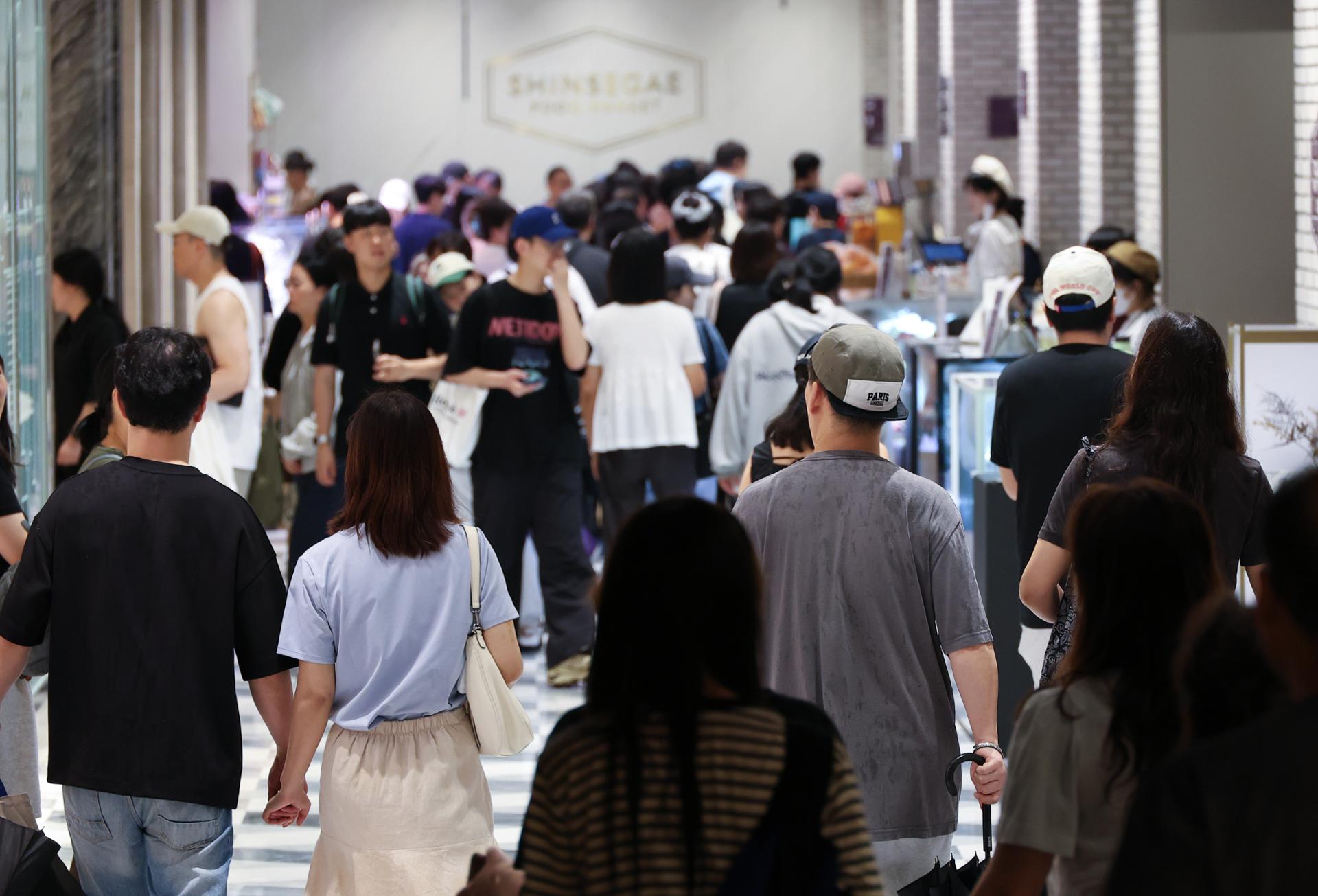
Korea's retail sales rose 6.4 percent in July from a year earlier, data released Wednesday showed, as higher demand for delivery services and travel-related products during the summer vacation season lifted spending at major retailers.
The figures come from the Ministry of Trade, Industry and Resources' monthly retail survey, a closely watched indicator because private consumption accounts for roughly half of South Korea's gross domestic product. The July gain was also driven by stronger demand for popular imported fashion brands, the ministry said.
Offline retailers posted a 3.2 percent on-year increase in sales, led mainly by department stores and convenience stores. Both channels extended their year-over-year gains to 13 consecutive months, an unbroken run of growth stretching back more than a full year.
The industry ministry said sales improved across all product categories at department stores, ranging from imported fashion brands and vacation goods to air conditioning products, with overall department store sales rising 17.9 percent.
Convenience store sales also edged up 1.1 percent despite a decline in the number of visitors, as spending per customer increased.
The report showed online sales jumped 8.5 percent, led by food delivery services as well as purchases of groceries and home appliances. Food delivery has been among the fastest-growing e-commerce categories in Korea in recent years. Online platforms accounted for 60.8 percent of total retail sales in July, underlining the continued shift toward e-commerce in one of the world's most digitally connected consumer markets.
July falls within the peak of Korea's summer vacation season, which typically spans July and August, when consumer spending on travel, leisure and cooling products traditionally rises. The ministry's next monthly release, covering August, will show whether the vacation-season demand and the strength in delivery and travel-related categories carried through the remainder of the summer period.
Source: The Korea Times

