Descending into Korea's First PC Bangs: A First Visit to the Basement World of StarCraft
Key Takeaways
- •Jeffrey Miller first visited a PC bang near Myongji University in 1998 to play StarCraft with his students.
- •PC bangs became the cheapest way to access the internet in Korea during the Asian financial crisis, when home computers were unaffordable for many.
- •StarCraft, released by Blizzard Entertainment in 1998, defeated the author quickly in his first play in a decade.
- •PC bangs helped lay the groundwork for Korea's internet culture in the years that followed.
- •StarCraft went on to become a televised professional sport in Korea, with dedicated cable TV leagues and nationally recognized professional players.
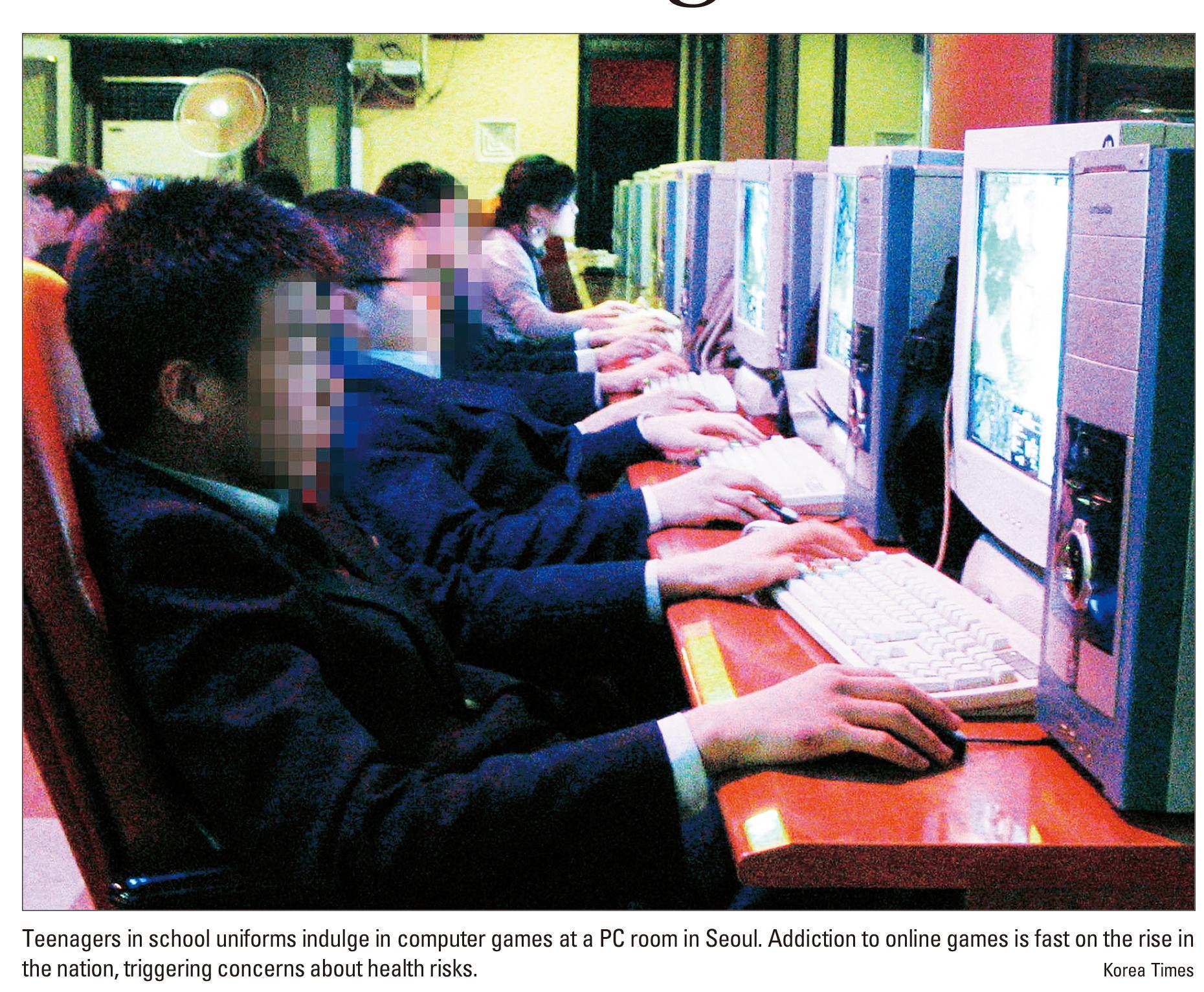
My first visit to a PC bang in Korea had nothing to do with the internet. It was 1998, and I went with several of my students to play StarCraft — a game they raved about the way Americans talked about the Super Bowl.
PC bangs were spreading faster than a pop-up window on a computer screen, like every other trend that swept the nation. They were the cheapest way to access the internet in Korea, especially at the height of the Asian financial crisis, when home computers and personal internet connections remained out of reach for many households. At a time when the country was rebuilding its economy, these basement rooms doubled as affordable gateways to the newly emerging web.
I knew what PC meant — personal computer. A bulky monitor and CPU that clicked and whirred and occasionally froze for no reason. But "bang"? In Korea, bang simply means room — a plain, functional, to-the-point word.
The PC bang we visited sat in a neighborhood of traditional shops, coffee houses, eateries, pharmacies, and a traditional medicine shop with a strange-looking apparatus inside — less a pharmacy than a set piece from an old Frankenstein movie. The street was bright, with Hangeul signs stacked like glowing dominoes. Food smells drifted through the air — dumplings, spicy rice cakes, charcoal and grilled meat — keeping me rooted in the present the way Korean streets always did.
My students led the way with quiet swagger, as if escorting me to an important cultural site.
Then we turned down a side street and stopped at a nondescript building marked by a simple sign: PC Bang. No flashing lights, no bold lettering — almost as if it were something you weren't supposed to notice unless you already knew it was there. Just a staircase descending into the basement. In Seoul, a lot of good things are underground.
We went down, the noise of the street fading behind us with each step. Halfway down, the air changed — warmer, heavier, carrying the faint smell of cigarette smoke and hot electronics. At the bottom, we pushed open a heavy door and stepped inside.
The light was dim and subdued, a bluish glow that didn't so much illuminate the room as hover in it, washing over faces and hands and rows of screens. For a second I stood there blinking, adjusting — it immediately reminded me of a secret underground military complex in a Cold War thriller, the kind where young men and women stare at glowing monitors waiting for something terrible to happen. Only here, the screens weren't radar — this wasn't a missile silo. This was a game room. And whatever they were fighting, they were taking it very seriously.
Rows of computers ran in neat formation, each one its own command post. Cigarette smoke drifted like fog. The air held the constant hum of fans and circuitry, the whole room breathing in a mechanical rhythm — steady and relentless.
At each computer, teenagers, university students and the occasional adult leaned forward, shoulders hunched, faces washed in blue light. Even though they were "just playing," they looked like they were working — focused, serious, locked in. It had that disciplined intensity Korea did so well, even when it came to a computer game.
My students moved through the room like they belonged there — which, of course, they did. They walked straight to the counter, where a young man sat behind a half-height partition. He took their money with the bored precision of someone who had done this a thousand times, barely lifting his eyes when he saw me trailing behind them. Behind him stood shelves of instant noodles and a cooler filled with soda — provisions.
As we moved down the aisles, nobody stared at me. That was one of Korea's quiet miracles. On some days, a foreigner could stand out simply by breathing. But in a PC bang, everyone was too absorbed to care who you were. Your existence was a minor detail compared to whatever was happening on the screen.
We found three open computers and I sat down. The chair — which had clearly seen its share of warfare — tilted back so suddenly I nearly went over before catching my balance. The monitor was grimy, filmed over with fingerprints and dust. The keyboard was worse — keys polished shiny from constant use, letters half-erased by thousands of impatient fingers.
And then, for the first time in a decade, I was about to play a video game. My gaming finesse had peaked with Galaga, and I hoped StarCraft — the real-time strategy game Blizzard Entertainment had released that same year — would respect my Galaga resume.
When it loaded, it felt less like a game and more like a tiny sci-fi war movie — part Star Wars, part Aliens, with a dash of Starship Troopers. You started with one base and a small patch of the map visible on screen, everything else swallowed by darkness. Then the darkness moved. Enemy shapes poured in, the sound effects turned metallic and urgent, and suddenly my little outpost was being overrun. A few fast clicks later it was all over — my base reduced to rubble, as if I had wandered into the wrong movie and been eliminated in the first ten minutes.
Behind me, one of my students laughed. Not cruel — just delighted. One of them leaned over, grinning, and said something I didn't fully catch, but the meaning was clear enough: Again, try again.
That was what I took from that basement PC bang near Myongji University. It wasn't about being good. It was about being pulled in — the glow, the noise, the feeling that you had stepped into a different world underground.
Around me, the room kept going: clicking, tapping, quick bursts of laughter, a groan from somewhere down the row. Someone tore open a bowl of instant noodles, and the smell rose instantly — spicy, artificial, and perfect for a basement full of boys with no intention of going home just yet.
Time behaved differently down there. No windows, no daylight, no reminders — just the hush of concentration and the hum of machines doing exactly what they were built to do.
When we finally left and climbed back up the stairs, the cold night air outside felt sharp and clean. Neon signs buzzed, cars slid past, and students moved along the sidewalk laughing, heading somewhere else, the street alive in its usual restless way. Everything looked normal on the surface.
But I walked back into that night feeling I had been somewhere hidden and important — a place beneath the city where the future glowed blue, and where my students, without even knowing it, were already living a few light years ahead of the rest of us. In the years that followed, PC bangs like that one would help lay the groundwork for Korea's internet culture, and StarCraft would go on to become a televised professional sport in the country — with dedicated cable TV leagues and professional players treated as national stars. That unmarked basement near Myongji University had been an early look at where it all began.
Jeffrey Miller is the author of several novels. His latest is "The Tree at Panmunjom," about the 1976 Axe Murder Incident. He can be reached at daejeonscribe@yahoo.com.
(Source article: The Korea Times)

