Korea's Industrial Output Flat in July as Retail Sales Slump and Facility Investment Jumps
Key Takeaways
- •South Korea's overall industrial output was flat in July compared with June, according to figures from the Ministry of Data and Statistics.
- •Mining and manufacturing production rose 0.2 percent on electronic components, while automobile output dropped 4.5 percent.
- •Retail sales fell 2.4 percent in July, with the decline led mostly by durable goods including cars.
- •Facility investment surged 7.5 percent month-on-month in July.
- •The Bank of Korea tracks these production, consumption and investment indicators when assessing the economy and setting monetary policy.
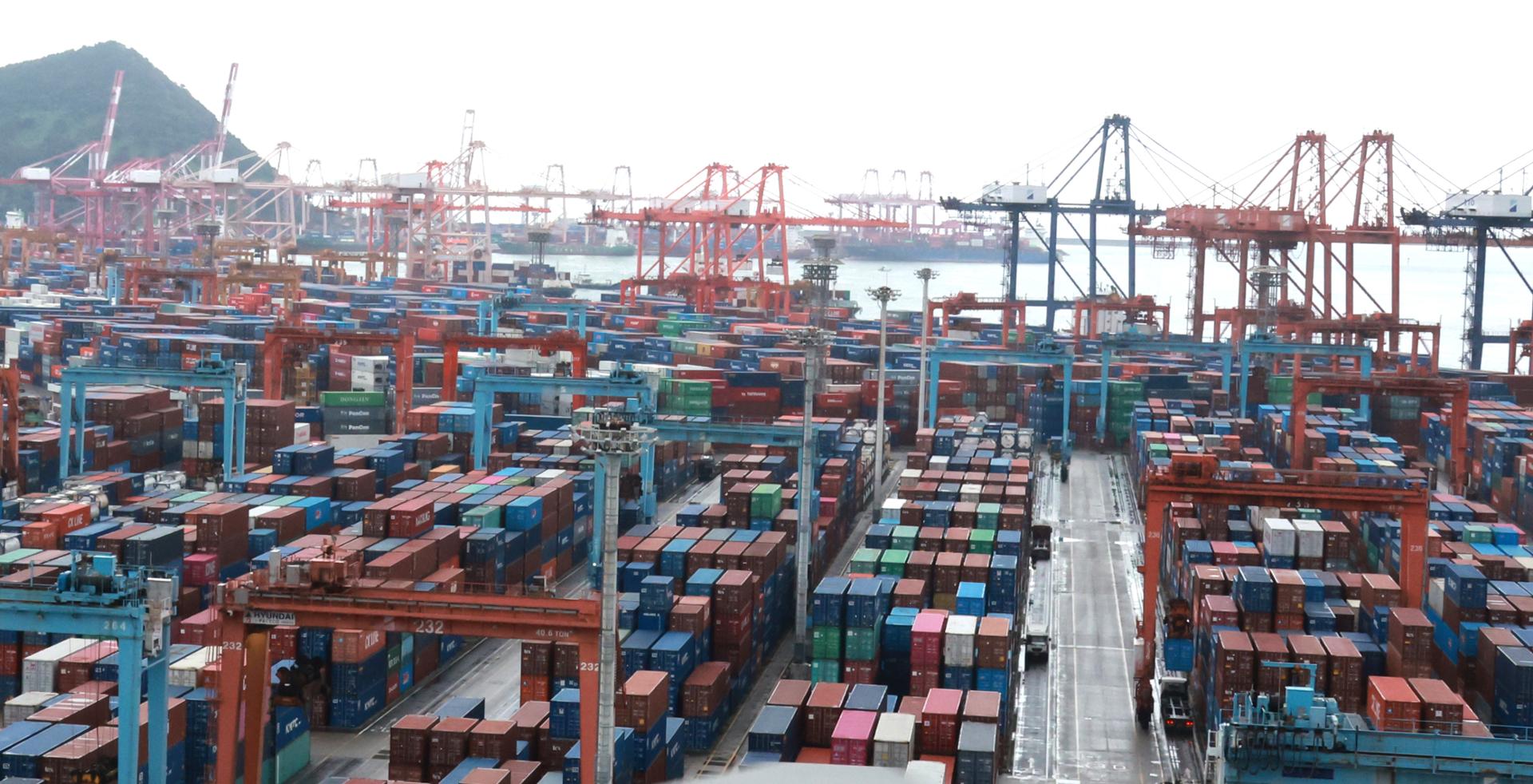
Korea's industrial output remained flat in July compared with the previous month, according to data released Monday, as declining retail sales offset gains in facility investment.
Industrial production showed no change from June, figures from the Ministry of Data and Statistics showed.
Output in the mining and manufacturing sector, a key pillar of the economy, edged up 0.2 percent, driven by the electronic component segment. Automobile production, by contrast, fell 4.5 percent over the same period.
Retail sales, a widely used gauge of private consumption, backtracked 2.4 percent in July, with the decline led mostly by durable goods, including cars.
Facility investment, meanwhile, surged 7.5 percent month-on-month, the latest findings showed.
The monthly indicators are part of a set of statistics that Korean authorities regularly publish to track short-term movements in production, consumption and investment — the three main components of domestic demand. Korea, Asia's fourth-largest economy, is heavily reliant on manufacturing exports, with electronics, semiconductors and automobiles among its major industries, making monthly swings in these sectors closely watched indicators of broader economic momentum.
The divergence among the components matters for policymakers as well as analysts: the Bank of Korea tracks these same demand-side indicators when assessing the economy's trajectory and setting monetary policy, so sustained weakness in consumption alongside strength in investment is the kind of mixed signal that typically draws attention in policy discussions.
The flat overall reading for July reflects the offsetting movements among these components: modest manufacturing gains and a strong rise in investment counterbalanced weaker consumer spending and a sharp drop in automobile output. The next monthly release, covering August, will indicate whether the slump in retail sales was a one-month pullback or part of a longer trend in private consumption.
