Eight South Korean Stocks Remain Frozen as Korea Exchange Pauses Delisting Proceedings
Key Takeaways
- •The Korea Exchange deferred delisting procedures for administrative-issue stocks after the Seoul Southern District Court granted injunctions on Oct. 2 halting the removals of Jooyeon Tech and KM Pharmaceutical.
- •Eight companies — Jooyeon Tech, SHD, Silla SG, Gold&S, KM Pharmaceutical, Pintel, Sejin T&S and AFW — remain barred from trading, so their shareholders cannot sell through normal market channels.
- •The court found the exchange tightened the rules without giving companies adequate appeal opportunities and questioned extending the compliance period to 45 consecutive trading days from 30 days within a 90-day window.
- •New minimum market capitalization thresholds of 30 billion won for Kospi and 20 billion won for Kosdaq took effect in July, six months ahead of schedule, while a further increase was postponed to July 2027 after repeated timeline changes.
- •The July designation criteria remain in force and the exchange intends to challenge the ruling, leaving the timing of any trading resumption for the eight companies uncertain pending final rulings and the appeal outcome.
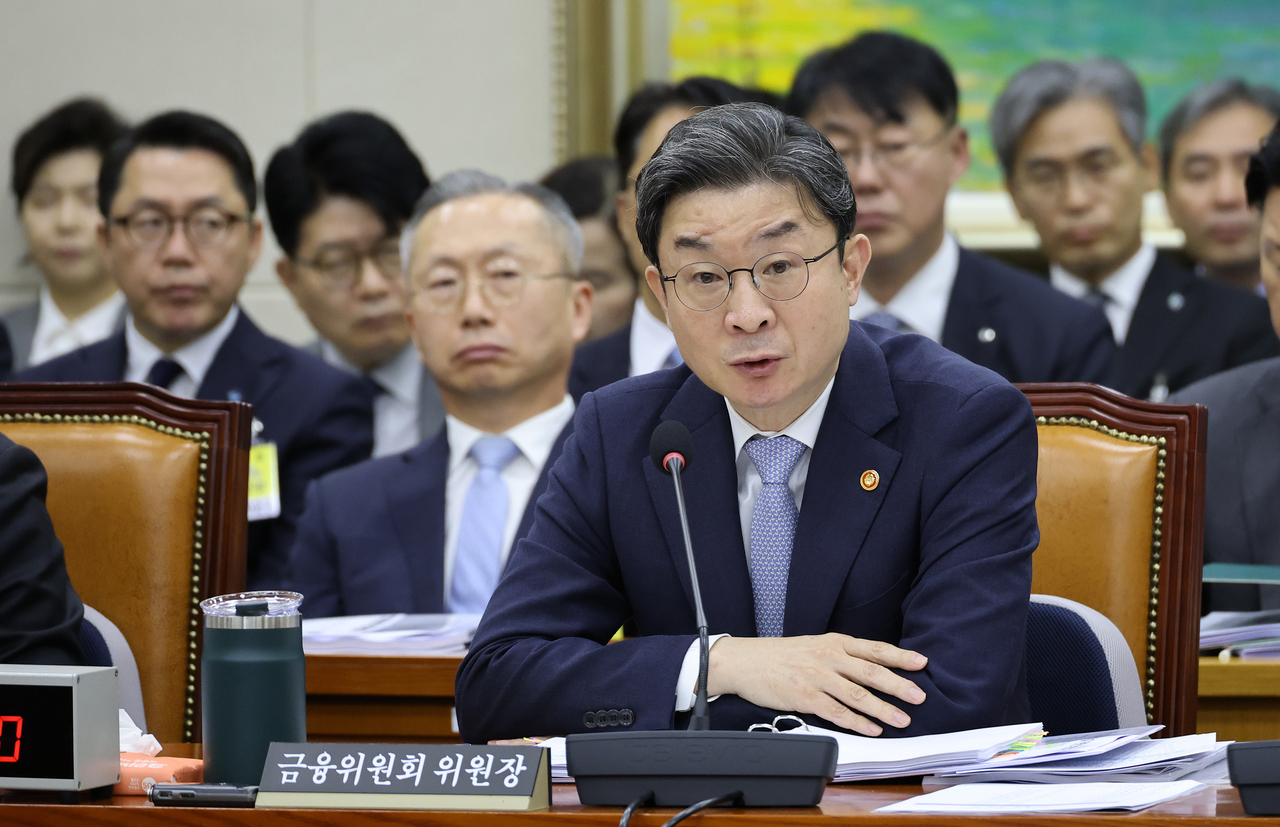
South Korea's push to purge underperforming companies from its stock markets has run into a judicial roadblock, just three months after regulators tightened delisting rules. The Korea Exchange has paused further delisting proceedings, but trading remains suspended for eight companies, leaving their shareholders unable to sell their shares.
The Korea Exchange said Wednesday it would defer further delisting procedures for companies designated as "administrative issue" stocks for failing to meet minimum market capitalization requirements. As of Thursday, 21 Kospi-listed companies and 47 Kosdaq-listed companies had received that designation on those grounds.
Eight companies remain locked out of trading: Jooyeon Tech and SHD on the Kospi, and Silla SG, Gold&S, KM Pharmaceutical, Pintel, Sejin T&S and AFW on the Kosdaq. Unlike other companies designated as administrative issues, which may continue trading, those eight had already received delisting decisions and had their trading suspended before the exchange announced the procedural pause.
The exchange said it would maintain existing trading suspensions for companies whose delistings had been decided before Oct. 2, while deferring further delisting procedures for other companies flagged over market capitalization shortfalls. The suspension of proceedings did not automatically restore trading for the eight, leaving their shareholders unable to offload holdings through normal stock trading.
Court cites procedural flaws
The Seoul Southern District Court on Oct. 2 granted injunctions sought by Jooyeon Tech and KM Pharmaceutical, halting their delistings pending final rulings in the main cases. For the two companies, that means their trading suspensions remain in place while their removal from the exchange is put on hold.
The court found that the exchange had tightened the rules without giving companies an adequate opportunity to appeal. It also questioned the decision to extend the required period above the market capitalization threshold — previously 30 days within a 90-day window, including 10 consecutive days — to 45 consecutive trading days.
The court further raised concerns over the requirements for regaining compliance and said the accelerated rollout left companies too little time to prepare.
The new minimum market capitalization thresholds — 30 billion won ($22.4 million) for Kospi-listed companies and 20 billion won for Kosdaq-listed companies — took effect in July, six months ahead of schedule. A further increase, to 50 billion won for Kospi-listed companies and 30 billion won for Kosdaq-listed companies, was brought forward from January 2028 to January 2027. On Sept. 4, however, the government postponed that increase to July 2027, drawing criticism over the repeated changes to the timeline.
Rapid rollout draws criticism
Market participants said regulators moved too quickly to implement reforms aimed at accelerating the removal of troubled companies from the market.
The Financial Services Commission and the Korea Exchange (KRX) unveiled the reforms on Feb. 12, bringing forward scheduled increases in minimum market capitalization thresholds. The minimum requirement for Kosdaq-listed companies rose fivefold in seven months, from 4 billion won at the end of 2025 to 15 billion won in January and 20 billion won in July.
The exchange said 94 Kosdaq-listed companies had market capitalizations below 30 billion won at the end of 2024.
Legal challenges spread
Pintel and Gold&S had also sought injunctions against their delisting decisions before the Oct. 2 ruling, underscoring the widening legal challenges facing the exchange.
According to the exchange, the court rejected requests to suspend the administrative-issue designations themselves but granted injunctions against the delisting decisions in the cases brought by Jooyeon Tech and KM Pharmaceutical. The designation criteria introduced in July will remain in effect, meaning companies can still be flagged for market capitalization shortfalls even as individual delisting decisions face court challenges.
The exchange plans to challenge the ruling, leaving the timing of any resumption in trading uncertain for shareholders of the eight companies. The next milestones are the final rulings in the main cases brought by Jooyeon Tech and KM Pharmaceutical and the outcome of the exchange's planned challenge.
Source: Korea Herald

