Lawmaker Proposes Bill Barring Proportional Lawmakers from Concurrently Holding Cabinet Posts
Key Takeaways
- •PPP Rep. Kim Jae-sub proposed a revision to the National Assembly Act requiring proportional representation lawmakers to give up their seats to join the Cabinet.
- •The bill follows criticism of Rep. Yong Hye-in, nominee for gender equality minister, who intends to keep her National Assembly seat while serving in the Cabinet.
- •Current law allows lawmakers to hold Cabinet posts, though proportional representatives have customarily resigned and passed their seats to the next candidate on their party's list.
- •Yong says resigning would strip her Basic Income Party of parliamentary party status under the Political Parties Act, since she is its only lawmaker.
- •The controversy underscores ongoing debate over whether differing dual office-holding practices for district and proportional lawmakers should be codified in law.
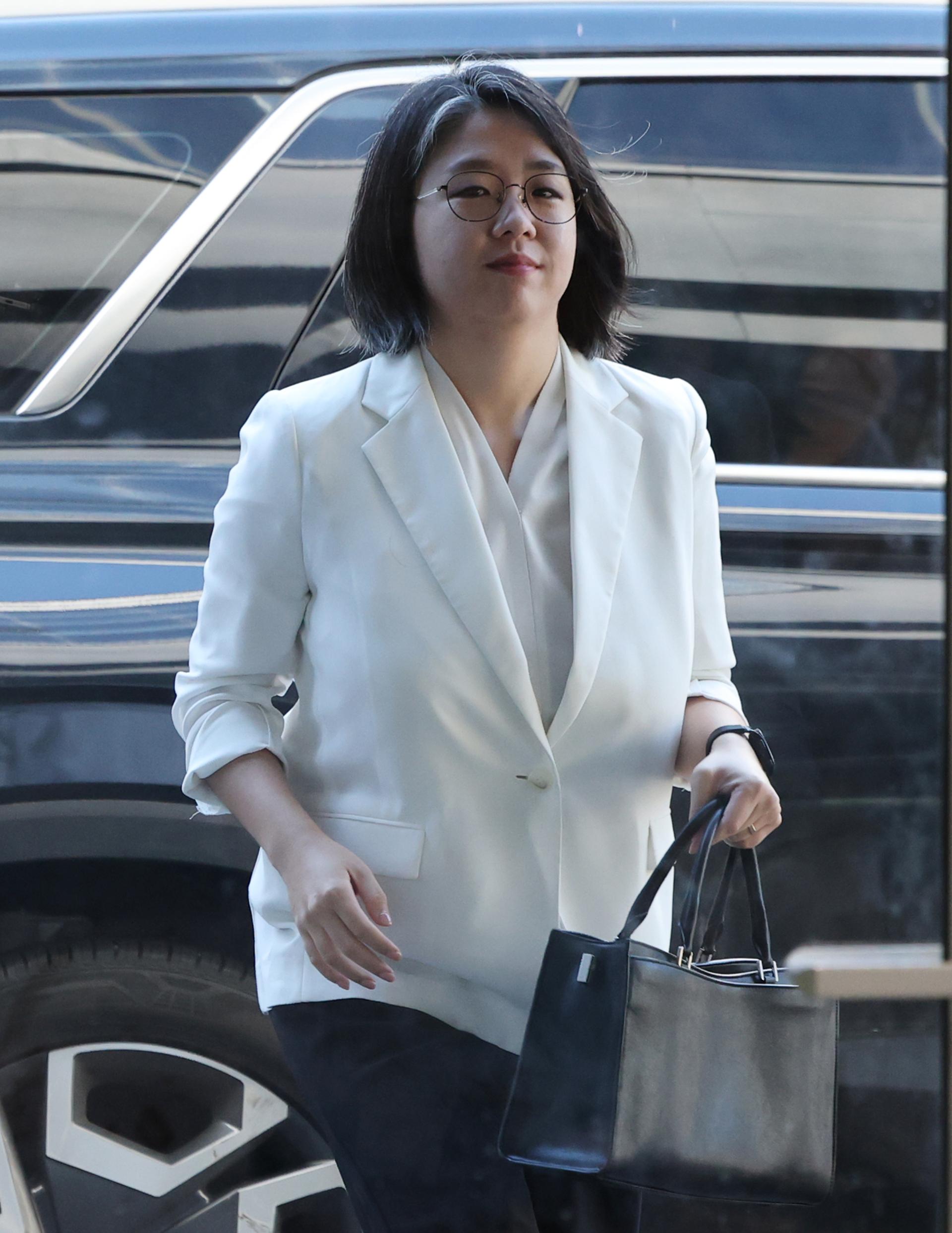
Rep. Yong Hye-in
A lawmaker of the main opposition People Power Party (PPP) proposed a bill on Friday requiring proportional representation lawmakers to give up their parliamentary seats in order to serve as Cabinet members.
The proposal came as Rep. Yong Hye-in of the minor Basic Income Party, a nominee for gender equality minister, faced criticism after expressing her intention to retain her National Assembly seat even after being appointed to a Cabinet position.
"Yong Hye-in's greed in refusing to give up either position has laid bare the loophole in the current system that allows lawmakers to hold Cabinet posts," PPP Rep. Kim Jae-sub said, as he proposed the revision to the National Assembly Act.
Under current law, lawmakers may double as Cabinet members, though proportional representatives have customarily given up their parliamentary seats to join the Cabinet, passing the post to the next candidate on the proportional representation list. The bill, if passed, would turn that custom into a legal requirement for proportional representatives.
Yong, currently the sole lawmaker of her party, said she would keep her Assembly seat even if she becomes a minister, noting that her party would become a non-parliamentary party if she resigns. Under South Korea's Political Parties Act, a party loses its status as a parliamentary party when it no longer holds a National Assembly seat, which affects the benefits and standing afforded to parties represented in the Assembly. Her nomination itself was notable, as she was tapped for the gender equality minister post despite coming from a minor opposition party outside the main liberal bloc backing the government.
The dispute highlights a long-running point of contention in South Korean politics over dual office-holding, and whether the existing arrangement—in which district-elected lawmakers retain their seats while serving as ministers while proportional representatives have customarily resigned—should be standardized in law.
