Korea Bans Diet Supplement TAWON LIAR After Narcotic Painkiller Tapentadol Detected
Key Takeaways
- •Korea's food and drug ministry and customs service have designated tapentadol, an opioid painkiller that can cause fatal respiratory depression, as a banned ingredient in imported foods.
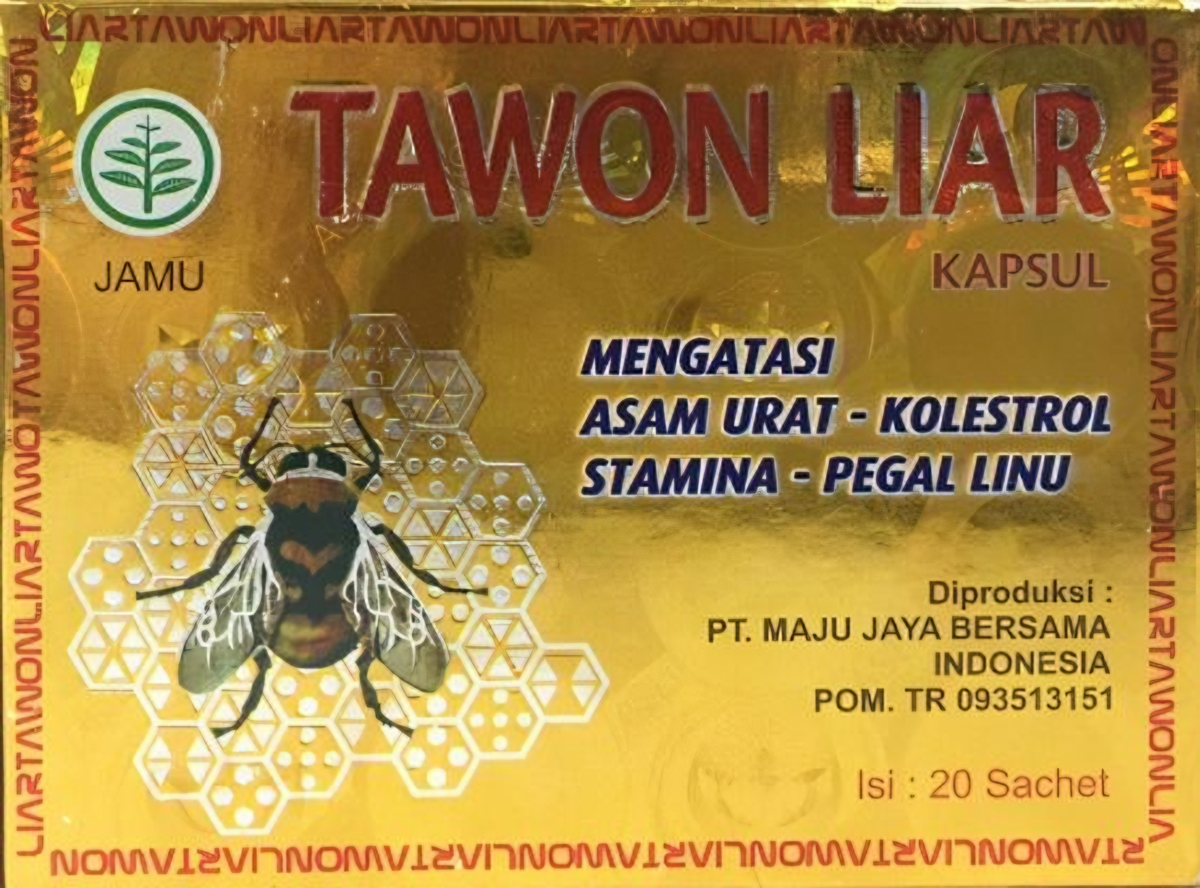
- •The substance was identified by the Incheon airport customs analysis office in a shipment of TAWON LIAR mailed from France.
- •TAWON LIAR had been blocked since December 2019 after the prescription steroid dexamethasone was found in it, and this is the first confirmed case of the product re-entering the country with a previously undetected narcotic ingredient.
- •Korea's import-blocking system now lists 313 banned raw materials and ingredients.
- •The two agencies plan to expand inspections of imported foods suspected of containing narcotics and to inform consumers about the risks of direct overseas food purchases.
Published Aug. 14, 2026, 5:40 p.m. KST
The Ministry of Food and Drug Safety and the Korea Customs Service have designated tapentadol, a narcotic painkiller, as a banned substance in imported foods after the drug was detected in a diet product called TAWON LIAR that entered the country through international mail, the two agencies announced.
The joint measure is a preemptive step to block narcotics from reaching Korean consumers through direct overseas purchases of food products — a fast-growing e-commerce channel in which Korean consumers buy items directly from foreign retailers and have them shipped into the country. Supplements and health foods are among the commonly ordered products through this channel, and the case highlights how unapproved foods sold on foreign online platforms can carry undeclared pharmaceutical ingredients.
Tapentadol is an opioid analgesic prescribed for moderate to severe pain in markets where it is approved. It works by inhibiting the reuptake of norepinephrine and serotonin and can cause life-threatening or fatal respiratory depression. It is classified as a narcotic under Korea's Narcotics Control Act, and it is regulated as a controlled substance in other jurisdictions as well, including the United States, where it is placed in the same strict schedule as opioids such as oxycodone.
The substance was identified by the Incheon International Airport Customs analysis office in a shipment of TAWON LIAR mailed from France. The office reported the finding to the ministry, which then designated tapentadol as a blocked ingredient in order to swiftly stop it from entering the country. As of this month, Korea maintains a list of 313 banned raw materials and ingredients under its import-blocking system.
Products containing tapentadol will now be barred from entering Korea, including through direct overseas purchases, the agencies said.
TAWON LIAR had already been blocked from entering the country. In December 2019, dexamethasone, a prescription steroid, was found in the product, and it was added to the ministry's list of hazardous imported foods. Undeclared pharmaceutical ingredients, from steroids to controlled appetite suppressants, are a recurring finding in unauthorized weight-loss supplements sold online, according to regulatory warnings issued in Korea and other countries, making the category a standing focus of import screening.
The newly detected tapentadol had not previously been found in the product, confirming that a modified version containing a narcotic ingredient has since entered the country, officials said. According to an official at the Incheon airport customs analysis office, this marks the first confirmed case of TAWON LIAR being brought into the country in an altered form containing a previously undetected narcotic ingredient, even though the product was already subject to an import ban over the earlier steroid finding. The case illustrates a core challenge of import screening: a product blocked by name can reappear in a changed formulation that only laboratory analysis can catch.
The two agencies said they will continue expanding inspections of imported foods suspected of containing narcotics or other hazardous substances, and will provide consumers with information on the risks of direct overseas food purchases. Further details are available on the ministry's website.
This article was published with the assistance of generative AI and edited by The Korea Times.

