Kioxia Shares Face Volatility as Leveraged ETFs Begin Trading in the US
Key Takeaways
- •The Corgi Kioxia 2x Daily ETF launched in late June 2026 and targets 200% of Kioxia’s daily share performance through instruments such as swaps and futures.
- •Kioxia shares closed down 9.49% at ¥56,010 on July 24, 2026, after touching an intraday low of ¥55,080.
- •Roundhill and GraniteShares have also pursued leveraged Kioxia-linked products, including long and short exposure options for US exchange traders.
- •Single-stock leveraged ETFs are designed for daily trading and can diverge from twice the underlying stock’s longer-term return because of daily rebalancing and volatility decay.
- •Trading in US-listed ETFs tied to a Tokyo-listed stock may make fund rebalancing, liquidity, hedging activity, and product disclosures important signals for market participants.
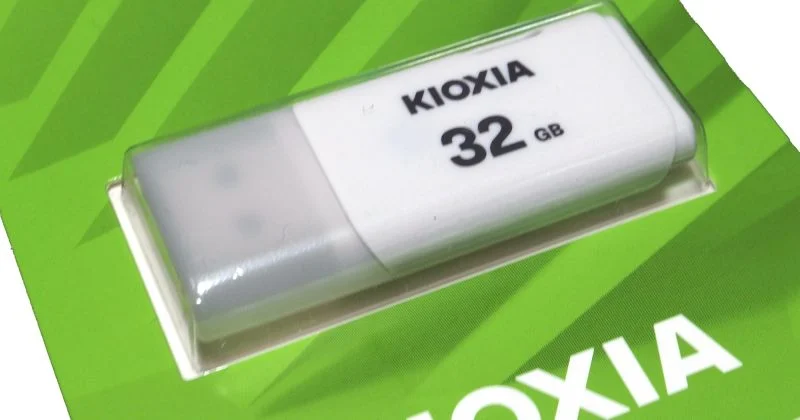
Kioxia Holdings, the Japanese NAND flash memory producer formerly known as Toshiba Memory, has drawn increased attention from US traders after a group of single-stock leveraged ETFs tied to the company began trading on the Cboe BZX exchange in late June.
The Corgi Kioxia 2x Daily ETF, which trades under the ticker KI, launched alongside dozens of other single-stock leveraged products on June 24 and June 26, 2026. The fund is designed to provide 200% of the daily performance of Kioxia’s common stock through instruments such as swaps and futures. For US investors, the listings create exchange-traded access to a Tokyo-listed semiconductor name without requiring direct trading on the Tokyo Stock Exchange, while also introducing the risks that come with daily leveraged exposure.
Volatility has already emerged
Kioxia’s share price has shown sharp moves since the launch of the leveraged products. On July 24, 2026, the company’s shares fell to an intraday low of ¥55,080 before closing down 9.49% at ¥56,010. The move was notable for a company with a market capitalization of approximately ¥30.65 trillion, placing it among the largest companies in the global semiconductor sector.
The July 24 decline followed an earlier selloff in mid-July, when Kioxia shares fell by as much as 16%. That move coincided with broader volatility across the AI and memory chip sectors, where investor attention has been elevated because memory demand is tied to data center expansion, consumer electronics, and enterprise storage cycles.
Corgi’s product is not the only leveraged vehicle linked to Kioxia. Filings also exist for a T-REX 2X Long Kioxia Daily Target ETF from Roundhill, while GraniteShares has introduced both 2x Long and 2x Short Kioxia products. Together, the products give US exchange traders access to leveraged exposure to Kioxia’s share price in both directions through multiple providers.
Why Kioxia is a target for leveraged products
Kioxia is one of the world’s largest producers of NAND flash memory, a storage technology used in devices and infrastructure ranging from smartphones to data centers that support AI workloads. The company went public through a Tokyo Stock Exchange listing under ticker 285A in 2024.
Single-stock leveraged ETFs are structured for daily trading rather than long-term buy-and-hold strategies. Because they rebalance daily, their performance over longer periods can differ substantially from two times the underlying stock’s return. This effect is commonly known as volatility decay.
For example, if a stock rises 10% and then falls 10%, the result for a 2x leveraged product is not a flat return. The product would end the sequence slightly negative because of the compounding effect of daily resets. The same structure can make holding-period returns especially sensitive when the underlying stock experiences large back-and-forth moves over consecutive sessions.
Trading impact and market structure
Higher volume in leveraged ETFs can increase the amount of required rebalancing at the end of each trading day. When Kioxia shares move sharply in one direction, ETFs seeking to maintain a fixed leverage ratio may need to buy or sell additional exposure. That process can create a feedback loop, with funds buying into strength and selling into weakness, potentially amplifying intraday moves beyond what company fundamentals alone would indicate.
Because the ETFs trade in the US while Kioxia’s common stock is listed in Tokyo, investors may also watch how liquidity, market hours, and derivative hedging interact across venues. Any sustained increase in ETF trading activity would make daily fund rebalancing, underlying share volume, and product disclosures important signals for assessing how much trading is being driven by market structure rather than company-specific news.
Tokenized equity derivatives linked to Kioxia are also being tracked on various crypto-native platforms, separate from the traditional US ETF listings. No crypto tokens are directly tied to the new ETFs, but tokenized Kioxia exposure adds another layer of trading activity that may affect price discovery across venues.

