Kenya marks first direct coffee shipment to Italy
Key Takeaways
- •SumSeron Coffee sent Kenya’s first direct coffee shipment to Italy in July 2026, consisting of 20 containers bound for the Port of Trieste.
- •The export bypassed the country’s usual auction and trader channels, marking a shift in how Kenyan coffee reaches foreign buyers.
- •KNCCI said the coffee sold for more than US$9.50 per kilogram and described the deal as the result of joint advocacy by Kenyan and Italian institutions.
- •President William Ruto launched the Coffee Revival Through Cooperative Societies Programme on 22 June 2026 to raise farmer earnings and expand the sector.
- •The government aims to lift national coffee output to 150,000 metric tonnes by 2029 and increase domestic consumption to 20 per cent of annual production within five years.
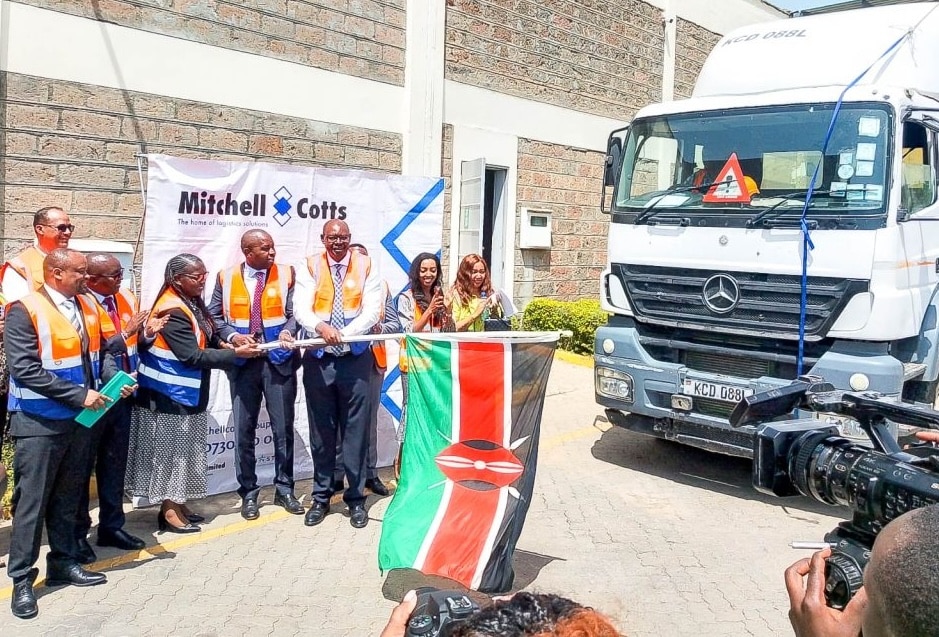
Kenya’s effort to build a more equitable coffee market has reached a new milestone, with the country exporting its first ever shipment of coffee directly to Italy without using green bean traders or auctions.
In July 2026, SumSeron Coffee sent an initial consignment of 20 containers to the Port of Trieste in northeastern Italy, a move the Kenyan National Chamber of Commerce and Industry (KNCCI) described as the “culmination of rigorous, multi-lateral lobbying and trade advocacy between the Kenyan government, KNCCI, and the Italian government”.
The shipment marks Kenya’s first entry into Italy and is viewed as a strategic gateway to the wider European Union, with Trieste serving as an entry point to the Mediterranean.
For Kenya’s coffee sector, the direct sale is notable because it bypasses the auction and trader channels that have long shaped how beans move from farms to foreign buyers, aligning with government efforts to capture more value at origin and raise earnings for growers.
KNCCI President Dr Erick Rutto said the coffee was purchased at a rate above US$9.50 per kilogram.
“This milestone is incredibly fulfilling. Opening up the Italian market, the third-largest consumer of coffee in Europe with a market value of KES 500 billion, proves that when public and private entities align, we unlock historic value,” Dr. Rutto said.
“In this first shipment alone, premium Kenyan coffee is fetching upwards of US$9.50 per kilogram.”
The sale came one month after Kenyan President William Ruto launched the Coffee Revival Through Cooperative Societies Programme to boost farmer earnings, expand coffee farming, and position Kenya as a leading global coffee processing hub.
Launched on 22 June 2026, the programme aims to triple national coffee production to 150,000 metric tonnes by 2029.
In addition to increasing output, the government wants to raise domestic coffee consumption from 2 per cent of annual production to 20 per cent over the next five years.
As part of the initiative, millions of coffee seedlings will be distributed to farmers, while fertiliser subsidies will continue.
“The farmer prepares the land, plants the crop, nurtures it through the seasons and bears the greatest risk,” President Ruto said. “The farmer does the hardest work and must therefore receive the greatest reward.”

