Kenyan Court Says Unlicensed Loan Apps Cannot Sue Borrowers to Recover Debts
Key Takeaways
- •Unlicensed digital lenders in Kenya cannot use the courts to enforce loan recovery claims.
- •Tri-State Capital Limited and Mombo iCapital Limited had their debt recovery cases struck out after failing to prove CBK licensing.
- •The court said the ruling does not excuse borrowers from genuine debts but bars unlawful lenders from judicial enforcement.
- •Kenya has licensed 252 digital credit providers since the process began in March 2022, with more than 800 applications handled.
- •The licensing framework was introduced after concerns over high interest rates, aggressive collections, and misuse of borrower data.
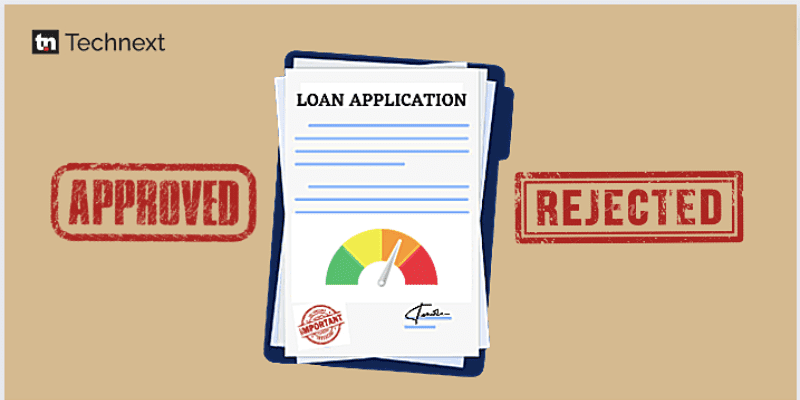
A Nairobi Small Claims Court has ruled that digital lenders, including loan apps, that do not hold a Central Bank of Kenya licence cannot use the courts to recover unpaid loans. The decision removes one of the strongest enforcement options available to unlicensed lenders seeking to pursue borrowers through the judicial system.
The ruling arose from two separate cases involving Tri-State Capital Limited and Mombo iCapital Limited. The two companies had separately filed claims to recover debts of Ksh 500,000 and Ksh 162,297 from borrowers.
Before considering whether the borrowers actually owed the money, Resident Magistrate Gladys Kiama focused on a more basic legal issue: whether the companies were authorised to lend in Kenya in the first place.
Neither Tri-State Capital Limited nor Mombo iCapital Limited was able to prove that it had a licence from the Central Bank of Kenya. As a result, both cases were struck out.
The judgment does not mean that borrowers are free to disregard debts they genuinely owe. The court made that point clear. Rather, the decision means that an unlicensed lender cannot approach a court and expect the judicial system to enforce its contracts. To rely on the courts, a lender must first be operating within the law.
In practical terms, the ruling puts licensing status at the centre of debt recovery disputes involving digital credit providers. A lender’s claim may fail before the court reaches questions such as loan balance, repayment history, or default if the lender cannot first show that it is authorised by the regulator.
The ruling comes as Kenya continues to tighten oversight of the digital lending sector. The country has been licensing digital lenders since amendments to the Central Bank of Kenya Act brought non-deposit-taking lenders under the regulator’s supervision.
As of last month, 252 digital credit providers had received CBK licences. The licensing process has been running since March 2022 and has handled more than 800 applications.
Kenya’s licensing push followed complaints about high interest rates, aggressive debt collection practices, and the misuse of borrowers’ personal data by loan apps. The regulatory framework was designed to address those issues by requiring operators to meet minimum standards before legally conducting loan businesses in the country.
For the hundreds of loan apps still operating without licences, the judgment significantly raises the consequences of non-compliance. A CBK licence was already a regulatory requirement. The ruling now also makes licensing the dividing line between having access to legal recourse when borrowers default and having no such remedy through the courts.

