Judge Orders Kennedy Center to Pay Over $250,000 in Legal Fees to Musician in Trump Naming Dispute
Key Takeaways
- •A D.C. Superior Court judge ordered the Kennedy Center to pay more than $250,000 in legal fees to jazz drummer Charles "Chuck" Redd, who was deemed the prevailing party after the center's lawsuit against him was dismissed.
- •The case against Redd was thrown out in June after a judge found the Kennedy Center was unlikely to prevail and had retaliated against the musician for exercising his right to public advocacy.
- •Judge Tanya Jones Bosier rejected the Kennedy Center's claim that the requested legal fees were disproportionate, ruling that Redd's lawyers had sought reasonable compensation.
- •A separate court ruling on May 29 struck down the board's attempt to rebrand the institution as the "Trump-Kennedy Center," declaring that only Congress has the authority to change the center's name.
- •The decision is part of a broader series of high-dollar legal fee awards in court battles stemming from controversies during Trump's second term, including rulings against the Department of Defense and the National Endowment for the Humanities.
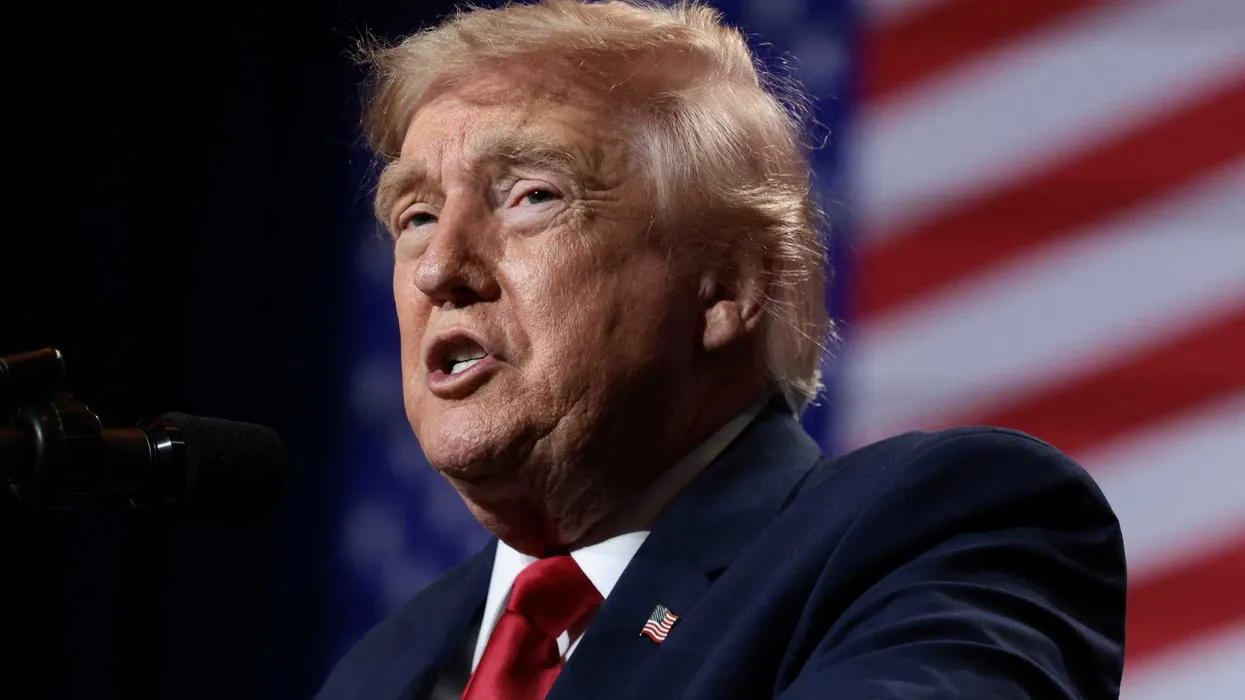
A judge has ordered the Kennedy Center to pay more than $250,000 in legal fees to jazz drummer Charles "Chuck" Redd, who canceled a Christmas Eve concert after President Donald Trump's appointees attempted to add his name to the iconic cultural institution.
According to Bloomberg, Redd had been accused of breach of contract for refusing to host the holiday "Jazz Jam," a concert he had performed at the Kennedy Center for years. After Trump's appointees to the board of trustees voted to add the president's name to the center, Redd announced he would no longer perform, prompting the center to sue him.
A judge dismissed the case in June, finding that the Kennedy Center was unlikely to prevail and had retaliated against Redd for exercising his right to public advocacy. The center later removed Trump's name from the building after losing a separate court fight over the renaming.
D.C. Superior Court Judge Tanya Jones Bosier determined that Redd was entitled to recover legal fees as the "prevailing party." She rejected the center's argument that the requested amount was "out of all proportion to the issue at stake," ruling that Redd's lawyers had sought "reasonable" compensation.
Trump has taken an unusually direct role in the Kennedy Center during his second administration. The institution, established by Congress in 1958 as the United States' national cultural center and opened in 1971 as a living memorial to President John F. Kennedy, has historically maintained a measure of artistic independence under a bipartisan board. Early in his term, Trump dismissed the existing board members and installed loyalists, including former Attorney General Pam Bondi and White House Chief of Staff Susie Wiles, who promptly voted Trump in as chairman. He subsequently involved himself in programming decisions, naming himself host of the annual honors gala — a televised ceremony held each December since 1978 that recognizes lifetime achievement in the performing arts. The moves prompted a wave of performers to cancel their events in protest.
Late last year, the Trump-appointed board voted to rebrand the institution as the "Trump-Kennedy Center." Maria Shriver, former First Lady of California and niece of President John F. Kennedy, described the move as "downright weird."
On May 29 — Kennedy's birthday — a judge struck down the renaming, declaring: "The Kennedy Center's organic statute makes crystal clear that the Center is to be named for President Kennedy, and it cannot bear any other formal name or public memorial based on the Board's unilateral say-so. Congress gave the Kennedy Center its name, and only Congress can change it."
According to Bloomberg, the ruling "marks the latest high-dollar fee ruling in court fights over controversies stemming from Trump's second term. In recent weeks, judges ordered the US Department of Defense to pay more than $450,000 to attorneys who sued over research funding cuts and directed the National Endowment for the Humanities to set aside money in anticipation of a future million-dollar fee fight."
