George Conway Warns Trump's Kennedy Center Standoff Could End in Demolition
Key Takeaways
- •A court ruled that the Kennedy Center memorial to President John F. Kennedy cannot carry President Donald Trump's name, and the president's board subsequently voted to close the building citing safety concerns.
- •Attorney George Conway warned that if renovation money remains unavailable without Trump's name on the building, the facility could ultimately face demolition on public-safety grounds.
- •Unlike the White House East Wing, which was torn down before legal challenges could be filed, multiple lawsuits already protect the Kennedy Center, and law professor David Super said courts could quickly issue a restraining order against.
- •The case's next phase will turn on whether the Kennedy Center can legitimately file for bankruptcy, a legal pathway that does not exist for the federal government.
- •Congress's 'One Big Beautiful Bill' allocated repair funding for the Kennedy Center but made spending it optional, and the center's founding statute does not require the money to be used on maintenance.
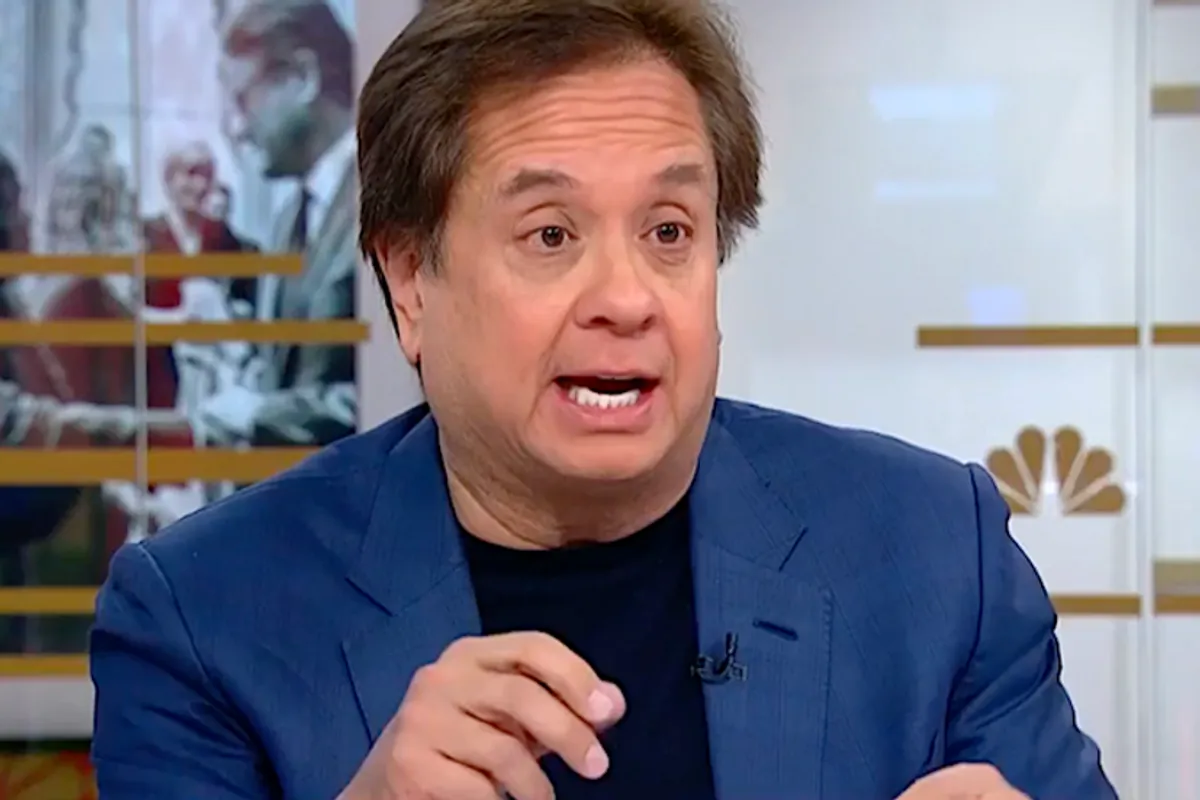
The fight over the John F. Kennedy Center for the Performing Arts shows no sign of easing, and attorney George Conway says he believes he knows how it will end. The riverfront complex, which opened in 1971 as a living memorial to President John F. Kennedy, remains one of the nation's premier performing arts venues.
After a court issued a definitive ruling that the memorial honoring former President John F. Kennedy could not carry President Donald Trump's name, the president's board "ruled" that it would officially close the building, citing "safety" concerns. Conway, a lawyer and frequent Trump critic, is now sounding the alarm.
"It's pretty obvious where this is headed," Conway wrote on social media. "He's saying renovations are needed because the facility is unsafe. But the money for renovations isn't available unless his name goes on the building. Ergo, if his name doesn't go on the building and, as a result, it's not renovated, then it must be demolished for public-safety reasons."
That fear carries particular weight after Americans watched Trump oversee the destruction of the East Wing of the White House. The Kennedy Center is no ordinary federal property. It is at once a national memorial and a working performing arts venue, a dual identity that is precisely why the fight over its name, and now its physical survival, has drawn such intense scrutiny.
Seth Abramson, a lawyer and Trump biographer, described the standoff as an extortion plot. "Let's be clear: this was a mafia-like MAGA hit on a congressionally controlled building honoring a slain Democratic [president]. The Kennedy Center was bureaucratically assassinated. The only chance it had to survive was to become Trump's — and courts rightly rejected that extortion," he said on X.
Tom Nichols, a former professor at the War College, called it a downright "shakedown."
The Washingtonian, however, sought to calm fears, writing that the destruction of the East Wing made clear people must be better prepared. Sylvie McNamara explained that the possibility of abandoning the renovations has been part of the plan from the start. "The government has been laying groundwork to walk away from the renovations for some time," she wrote.
McNamara also addressed whether Trump could truly bulldoze the Kennedy Center. "Not legally, no — which is not to say they wouldn't tear it down anyway. But so far, demolition of the Kennedy Center appears to be more of a rhetorical cudgel than an actual plan. The judge, for instance, has not engaged with it as a serious threat."
She agreed that the East Wing stands as the cautionary example. However, Georgetown University Law School professor David Super pointed to a key distinction: "The administration tore it down before anyone could sue. By contrast, multiple lawsuits have already been filed to protect the Kennedy Center from various harms."
If Trump were to bring in the cranes and wrecking balls, Super said, "litigants could immediately get a restraining order from the court without having to prove that they have standing."
"Given how this case has progressed, I'm guessing that the court would be ready to act very, very quickly," Super told McNamara.
The next phase of the case will turn on whether the Kennedy Center can legitimately file for bankruptcy. While courts exist for people and corporations, there is no such venue for the federal government — particularly when Congress has already allocated funding to make repairs and continue supporting the institution.
What made Congress's approach in its "One Big Beautiful Bill" unique was that it allocated funding and then made spending it optional.
"With programs like Medicaid and Head Start, for example, the government is legally required to fund them (though there's been some difficulty lately surrounding both). But money for federal disaster relief is not required to be spent if there's no disaster to address," the report explained.
Super noted that the Kennedy Center's founding statute does not mandate that money be spent on basic projects such as maintenance. Congress could change that, but under GOP control, leadership is unlikely to allow it. Until one of those levers moves, whether through a court ruling on bankruptcy eligibility or congressional action on the funding statute, the standoff over the memorial's name, its budget, and its building remains unresolved.

