Katy Perry Condemns White House Use of “Firework” in Iran Military Strike TikTok
Key Takeaways
- •Katy Perry said the White House did not seek or receive permission to use “Firework” in its TikTok video.
- •The TikTok video showed explosions in Iran while Perry’s song played in the background.
- •Perry said the song was intended as a message of hope and strength, not as a soundtrack for military violence.
- •The video remained on the White House TikTok account as of Saturday afternoon.
- •The dispute is part of a broader pattern of objections from artists and rights holders over Trump’s use of their work.
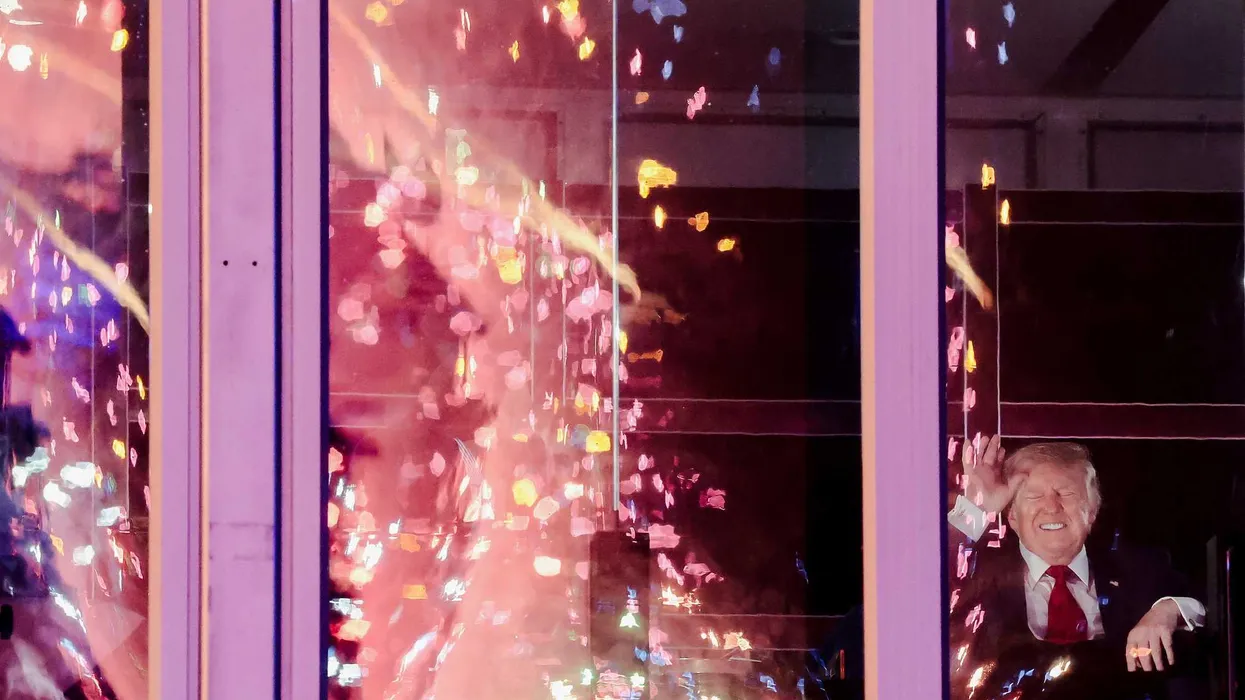
Katy Perry criticized the Trump administration after her 2010 hit “Firework” was used in a White House TikTok video featuring footage of military strikes in Iran.
Perry addressed the use of the song in a Saturday post on X, saying the White House had not sought or received permission to use the track. “I am deeply appalled and angry to see ‘Firework’ used on the @WhiteHouse TikTok account as a backing track for video footage of military strikes,” Perry wrote. “I did not approve this, I was not asked, and I absolutely do not condone it.” The X post was available at https://x.com/katyperry/status/2081032309508047136.
The White House TikTok video, posted earlier in the week at showed explosions erupting in Iran while Perry’s song played, including the lyric “boom, boom, boom.” The video remained on the White House TikTok account as of Saturday afternoon.
Perry, who is dating former Canadian leader Justin Trudeau, said she objected to seeing her music paired with images of military violence. “My music is for bringing people together, not celebrating warfare,” she wrote.
“I wrote this song to be an anthem of hope, healing, and inner strength for people going through their darkest personal moments,” Perry continued. “To see a message of self-worth and upliftment weaponized to soundtrack destruction and violence is a complete violation of everything my song stands for.”
The dispute adds to a series of objections from entertainment figures and rights holders over Trump’s use or planned use of their work. Such objections have become a recurring flashpoint in U.S. politics, where campaigns and government-aligned messaging can draw scrutiny not only over music licensing but also over whether a song’s use implies an artist’s approval or association. The estate of the late Leonard Cohen previously refused to allow Trump to use “Hallelujah” for the Great American State Fair.
Some observers mocked the administration after Perry objected publicly. Former Republican congressman Adam Kinzinger wrote, “The White House has no cool people supporting them.”

