Columnist Flags New White House Press Secretary Katie Zacharia as Symbol of America's 'Intellectual Crisis'
Key Takeaways
- •Katie Zacharia's first press briefing as White House press secretary drew heavy criticism, with columnist Ian Dunt branding her the emblem of what he calls America's intellectual crisis.
- •Questioning of Zacharia's credentials, ability, and vetting extended beyond the political press into entertainment platforms such as 'The View' and Jimmy Kimmel's show.
- •Dunt said Zacharia read directly from prepared remarks and relied on vague, apparently memorized language rather than substantive answers.
- •When asked whether the United States has stopped sharing intelligence with Ukraine, Zacharia did not answer and said she would get back to the question later.
- •Dunt argued the administration prioritizes personal relationships and favoritism over expertise, noting that banned legacy outlets like the Associated Press have been replaced in the briefing room by approved 'new media' sites.
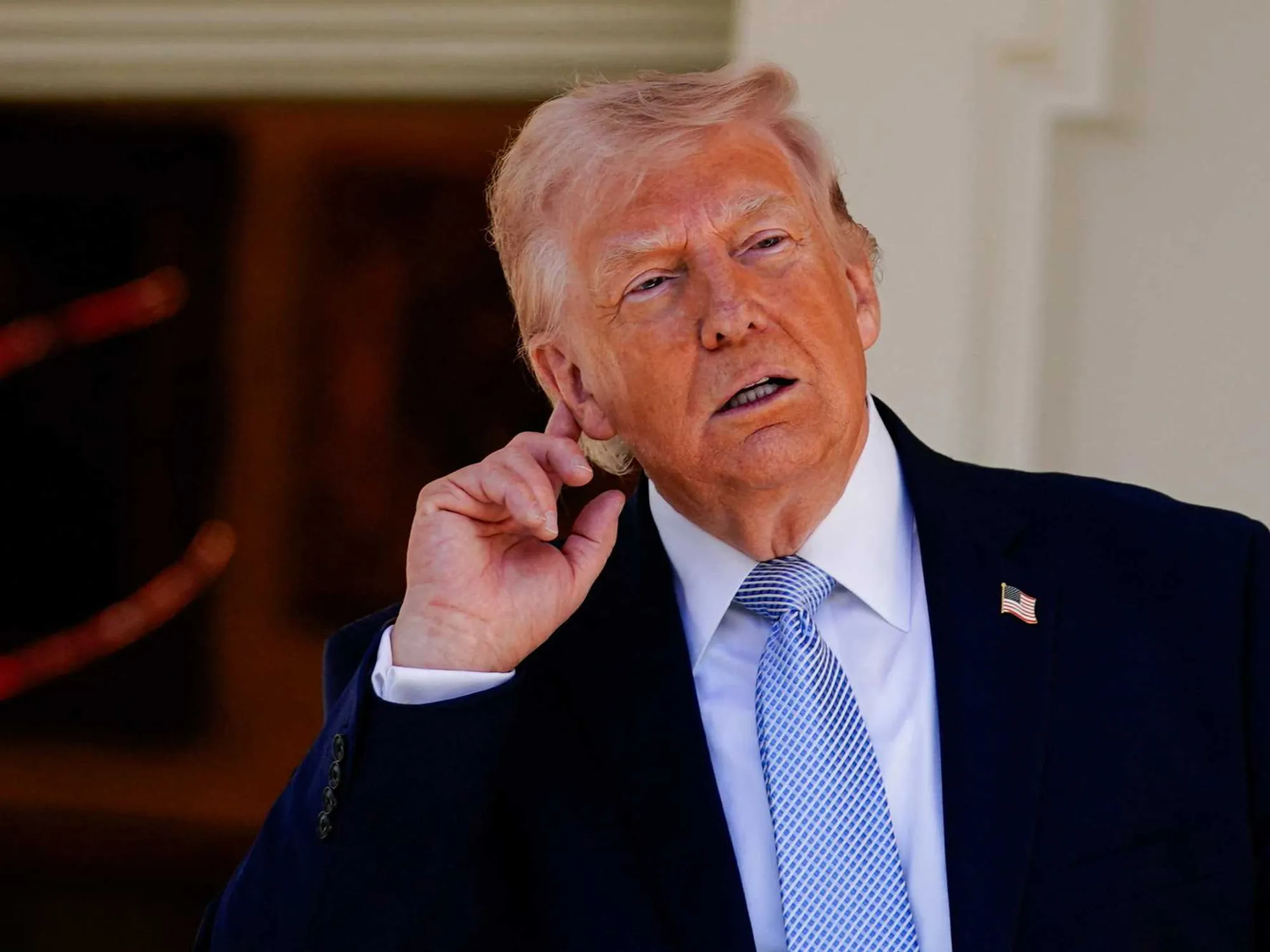
Katie Zacharia's inaugural press briefing as White House press secretary has drawn intense scrutiny, with columnist Ian Dunt describing the newly appointed spokesperson as the new poster child for what he calls America's intellectual crisis. The post she now holds is the administration's most public-facing role: the press secretary is charged with briefing reporters, relaying official positions, and answering questions on the president's behalf.
The 14-minute appearance sent shockwaves through the media, coming as millions question President Donald Trump's mental fitness. Co-hosts of "The View" and late-night host Jimmy Kimmel have dissected the briefing, questioning Zacharia's credentials and ability, and whether she was even properly vetted for the job — criticism that has spread well beyond the political press corps into mainstream entertainment platforms. Her inability to answer questions widely viewed as easy has deepened those concerns.
Dunt, writing in a column for inews.co.uk, was not alone in finding Zacharia ill-prepared for her debut. He pointed first to what he described as hard to ignore: Zacharia presents an aesthetic synonymous with most women who work under Trump's leadership — long blonde tresses and Barbie-like makeup — while, in his view, her words lack substance.
According to Dunt, Zacharia began the briefing by reading directly from a page — something he said an amateur would do, rather than a seasoned political figure prepared to inform the public on important updates. Much of the content of her eight-minute briefing, he wrote, was vague, relying on general language that appeared memorized from the book of Trump.
What worries Dunt most is Zacharia's inability to communicate effectively, or at all, with the media. He noted that legacy media organizations, such as the Associated Press, have been banned from the White House for not complying with Trump's rules. They have since been replaced by "new media" — a collection of approved websites the White House has used to replace traditional reporters whose coverage appears to align closely with Trump as a supporter. That reshaping of briefing-room access matters because these sessions traditionally serve as the primary channel through which an administration is questioned and held publicly accountable.
Even with that apparent advantage, and despite facing softball questions, Dunt argued that Zacharia failed the test. Asked whether the United States has stopped sharing intelligence with Ukraine — among the most sensitive national security questions an administration faces — she did not answer. "I'll have to get back to you on that," she replied, leaving Dunt at a loss over the response.
Many, like Dunt, have questioned howaria secured such an influential post given concerns about her readiness for the job. For Dunt, the apparent lack of preparedness among some in the current administration points to a broader issue with potentially irreversible consequences for America: qualifications and expertise appear to take a back seat to personal relationships and political favoritism. How the White House handles the follow-up she promised on intelligence sharing — and how long scrutiny of her debut persists — remains to be seen.

