White House Press Secretary Karoline Leavitt Departs as Trump Faces Staffing Concerns Ahead of Midterms
Key Takeaways
- •Karoline Leavitt resigned as White House Press Secretary to focus on caring for her two young children, aged two and three months.
- •Leavitt reportedly received work calls and demands during her maternity leave, making it clear that balancing the role with family life was unsustainable.
- •President Trump was reluctant to accept her resignation because he trusted her and preferred to avoid bringing new people into his inner circle.
- •Political commentator James Ball observed that Leavitt stood out for her unwavering loyalty and willingness to vigorously defend the president at the podium.
- •Ball warned that Leavitt's departure may foreshadow a wider staff exodus, potentially leaving Trump increasingly vulnerable ahead of the midterm elections.
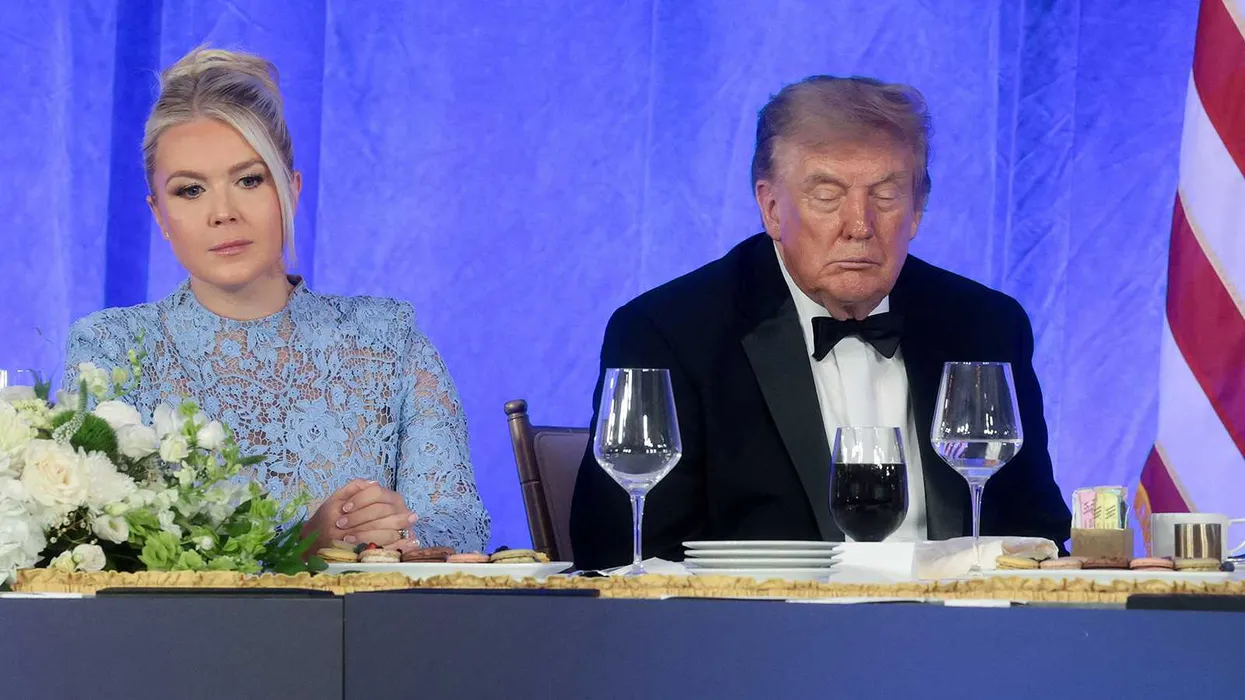
White House Press Secretary Karoline Leavitt announced on Wednesday afternoon that she is stepping down from her demanding post to spend more time with her two-year-old and three-month-old children.
The White House Press Secretary role is one of the most visible and grueling communications jobs in the U.S. government, requiring daily briefings before a scrutinizing press corps and serving as the public face of the administration's message.
Late Wednesday, the Daily Mail reported that Leavitt had faced numerous calls and demands even during her maternity leave, making it clear that balancing family life with young children and the press secretary role would be unsustainable.
"First week back, she realized she wasn't feeling it anymore," a source told the Daily Mail. "Trump really didn't want her to leave as he actually trusts her and doesn't like having to deal with new people in his circle when he wants to focus on getting stuff done in his time left in office."
New World political editor James Ball, writing in his column for The iPaper, expressed empathy for Leavitt's decision, acknowledging the difficulty of the role. However, Ball noted that serving under Trump elevates the challenge considerably. Press secretaries do not merely field questions; they are tasked with crafting explanations for some of the president's unconventional behavior, gaffes, and missteps.
Trump's first term was marked by historically high turnover in senior staff and communications roles. His first press secretary, Sean Spicer, for instance, perpetuated the president's false claim that his inauguration audience was the largest in history before departing within months.
"Leavitt, though, was different," Ball wrote. "Blonde, thin, attractive, and willing to say whatever the President wanted her to say, Leavitt seemed utterly shameless at the lectern. Even when confronted with documents from the [Jeffrey] Epstein files, Leavitt would either shrug off the facts in front of her face, or else angrily attack the media. The Epstein files prove 'absolutely nothing,' she would say, 'other than the fact that President Trump did nothing wrong.'"
Trump closed out the final year of his first term by holding his own daily press briefings on the pandemic. As he ages, Ball observed, he has become "increasingly dependent on the younger staff around him. Leavitt has defended him in public, while his executive assistant, Natalie Harp, constantly soothes the President by passing him printed-out tweets from his supporters and fans when he's in a bad mood – as well as passing him printed drafts of his own social posts to approve."
Ball questioned whether Trump can manage without a "comfort blanket" like Leavitt, particularly at a critical political juncture.
"He is doing so just months before the midterms, which could be a catastrophic embarrassment, and one that gives Democrats the power to turn up the heat on his administration," Ball wrote. Should Democrats take control of both the House and Senate, Trump would urgently need someone to help manage messaging around gaffes and misstatements.
Ball also suggested that Leavitt's departure could signal the start of a broader exodus of staff who are exhausted and eager to move on.
"Trump is not just becoming increasingly vulnerable. He may soon also find himself increasingly alone," Ball concluded.

