'Grim' Midterm Path for Republicans as Kansas Nears First Democratic Senate Win Since 1932
Key Takeaways
- •A Hill/Emerson College Polling survey of 750 likely Kansas voters, conducted Sept. 15-16, showed Democrat Adam Hamilton leading incumbent Sen. Roger Marshall 45 percent to 43 percent, a margin within the poll's sampling error.
- •Senators in both parties said the midterm battleground map has expanded, placing solidly Republican-leaning states such as Kansas and Nebraska in play, with independent Dan Osborn trailing Sen. Pete Ricketts by only a few points in.
- •Democratic candidates are gaining momentum because voters blame rising energy prices on the conflict with Iran, which President Trump launched in February without prior authorization from Congress.
- •Sen. Mike Rounds said farmer frustration over beef imports and energy costs is giving Democrats a genuine opening in Kansas and Nebraska, where local economies depend heavily on agriculture.
- •Kansas has not elected a Democrat to the Senate since 1932, meaning a Hamilton victory would be the state's first in nearly a century.
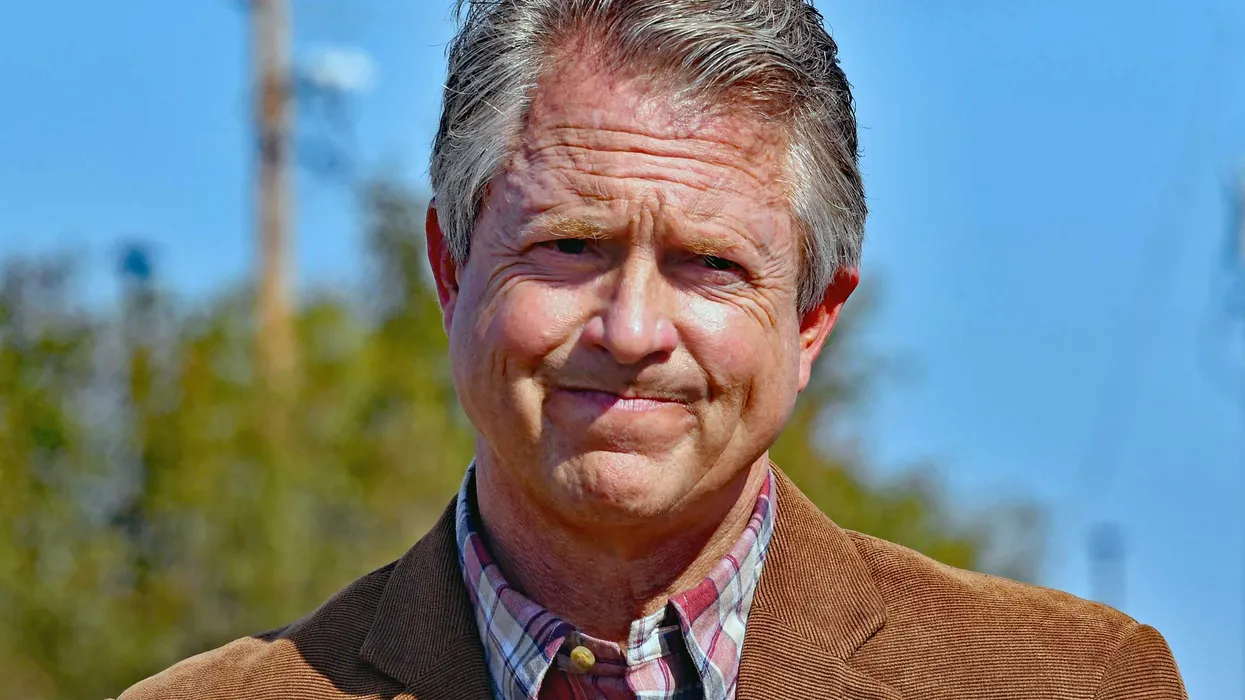
A deep-red state has become a midterm toss-up, according to new reporting published Monday, as the economic fallout from President Donald Trump's conflict with Iran reshapes the battle for control of the U.S. Senate.
The stakes are structural: a party needs 51 Senate seats for an outright majority, or 50 seats plus the vice president's tiebreaking vote, which means every state that shifts from "safe" to "competitive" carries outsized weight. Midterm elections have also historically trended against the party that holds the White House.
Reporting by The Hill indicates that Republican senators and party insiders believe a Democratic Senate candidate now holds a slight lead in Kansas. Should he prevail, it would mark the first time in nearly a century that the state has sent a Democrat to the Senate.
"Senators in both parties say the Senate midterm election battleground map has expanded significantly six weeks before Election Day, putting the GOP majority in greater jeopardy," The Hill reported. "Several solidly Republican-leaning states — including Kansas and Nebraska — are now seen as being in play, the senators say."
Senators who spoke with the outlet said "Democratic candidates have growing momentum because of rising energy prices," with voters "blaming the increasing costs on the military conflict with Iran, which President Trump started back in February without prior authorization from Congress."
Polling has already shown close contests in Maine, Ohio, Iowa, Texas and Alaska, along with the Democratic candidate pulling ahead in North Carolina. Those states had already concerned Republican strategists, but fresh numbers out of Kansas and Nebraska have put the party on red alert.
"One GOP senator said internal polls show the Kansas and Nebraska Senate races are very close and the 'overall environment' is bad for Republicans," according to The Hill. "Energy prices are way too high. The war, people don't like. And the real reason they don't like the war is it's making everything more expensive. Voters are not in a good mood. In farm states like Nebraska and Kansas, farmers are just irate about the beef issue, they're irate about energy prices," the senator said, adding: "It's a tough environment." The lawmaker described the situation as looking "grim" for Republicans.
"They're frustrated and they're hurt," Senator Mike Rounds (R-SD) agreed, noting that many farmers felt betrayed by Trump's decision to import beef to bring down prices. Rounds said that was "absolutely" giving Democrats a chance to win in Kansas and Nebraska, where local economies depend heavily on farming.
A new Hill/Emerson College Polling survey of 750 likely Kansas voters, conducted Sept. 15-16, showed Democratic Senate candidate Adam Hamilton leading incumbent Sen. Roger Marshall 45 percent to 43 percent — a two-point spread that falls within the sampling error typical of a survey that size, leaving the contest statistically unsettled. A Republican source familiar with the race said private polling likewise showed Hamilton with a slight lead. Some polls also showed a tight race in Nebraska, where independent candidate Dan Osborn is within a few points of incumbent Sen. Pete Ricketts (R).
With six weeks remaining, how both parties allocate advertising money and campaign resources across states they long counted as safe will offer a measure of how seriously each takes the expanded map. As The Hill noted, Kansas has not elected a Democrat to the Senate since 1932 — a stretch reaching back to Herbert Hoover's presidency and the depths of the Great Depression.

