Kang Shin-chul's US Ties Seen as Asset as Seoul, Washington Navigate OPCON and Alliance Challenges
Key Takeaways
- •Kang Shin-chul, nominated as defense minister on Aug. 30, previously served as four-star general and deputy commander of the Korea-U.S. Combined Forces Command, working alongside Gen. Xavier Brunson for roughly nine months.
- •Kang's familiarity with U.S. military thinking and alliance processes is viewed as an asset in upcoming negotiations over transferring wartime operational control from a U.S. general to a South Korean one.
- •The Lee administration aims to complete the OPCON transfer before the president's term ends, while Brunson submitted a road map targeting the necessary conditions by the first quarter of 2029.
- •Kang has not committed to a specific transfer timeline, saying it should proceed in a way that strengthens the Korea-U.S. alliance.
- •Officials caution that Kang's personal rapport with Brunson cannot override decisions made at the presidential or defense secretary level, and some criticize his abstract answers to reporters.
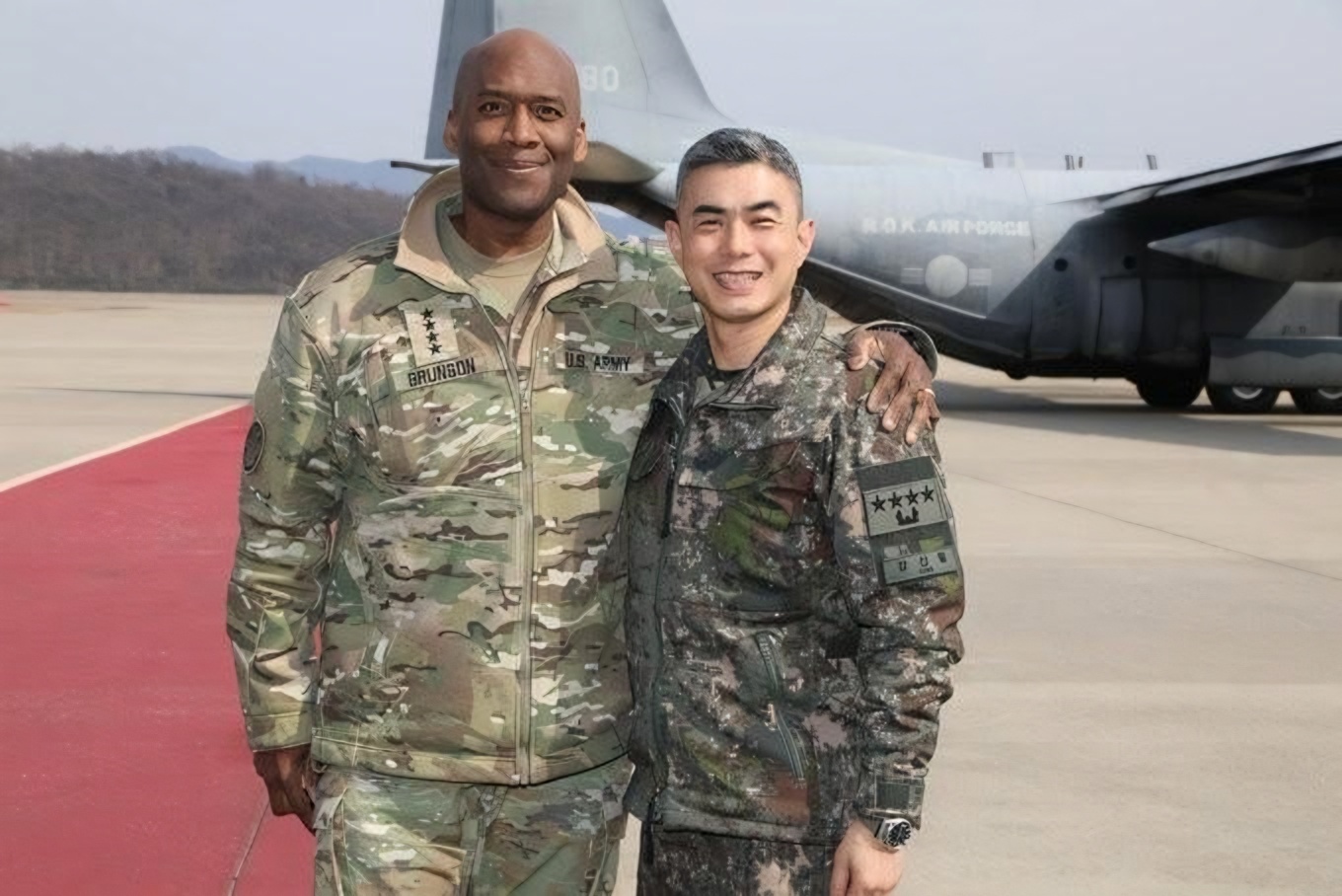
Defense minister nominee Kang Shin-chul is drawing attention not only for his extensive military career but also for his experience working closely with U.S. commanders — particularly Gen. Xavier Brunson, commander of the Korea-U.S. Combined Forces Command (CFC) and U.S. Forces Korea. His background at the CFC could prove valuable as Seoul and Washington head into sensitive negotiations over the transfer of wartime operational control (OPCON) and joint military exercises.
Under the alliance arrangement dating to the Korean War, a U.S. four-star general holds wartime operational control of South Korean forces. The two countries agreed in 2006 to hand that authority to a South Korean general leading a future combined command, but the transfer has repeatedly been postponed as the allies worked to verify South Korea's readiness to lead.
Military and defense officials who have worked with Kang describe him as someone who understands how the U.S. military thinks and who prefers coordination over pushing his own position.
Kang and Brunson served together at the CFC for about nine months, from Brunson’s arrival in Korea in December 2024 until Kang stepped down as deputy commander in September 2025. Their rapport was evident in a message Brunson posted on X when Kang left the post.
“Our forces are more cohesive, capable & prepared because of you,” Brunson wrote alongside a photo of the two generals. “I’m a better Commander for your example of meeting expectations.” He ended the message on a personal note: “You’re always family. Katchi Kapshida! We Go Together!”
A military official who has worked with Kang said U.S. generals also held him in high regard for his knowledge of strategy and policy and his grasp of military affairs. Having served at the presidential office, the Ministry of National Defense, the Joint Chiefs of Staff (JCS) and the CFC, Kang understands both Seoul’s position and how the U.S. military approaches alliance issues, the official said. He also knows how bilateral consultations work and how to explain Korea’s position to the U.S. side.
A graduate of the Korea Military Academy, Kang previously served as chief director of strategic planning and chief director of operations at the JCS before being promoted to four-star general and appointed CFC deputy commander in 2023. He later became ambassador to Saudi Arabia before President Lee Jae Myung nominated him as defense minister on Aug. 30.
Another military source familiar with Kang’s tenure at the CFC said he likely played an important role in helping Brunson understand the security environment on the Korean Peninsula and the workings of the alliance after the U.S. general arrived in Korea.
That familiarity could soon be put to the test. The government is seeking to complete the Full Operational Capability (FOC) assessment for the future combined command this year and move toward setting a target year for OPCON transfer. The allies conducted FOC-related assessments during last month’s Ulchi Freedom Shield exercise. But Seoul and Washington still have issues to work through over the conditions and timing of the transfer.
The Lee administration is pushing to complete the transfer before the president’s term ends, while Brunson has said he submitted a road map to the U.S. Department of Defense aimed at meeting the necessary conditions by the first quarter of 2029.
Kang, for his part, has avoided committing to a specific timeline. He told reporters last week that OPCON transfer should be pursued “in a way that strengthens the Korea-U.S. alliance,” emphasizing that the transfer itself is possible because of the alliance.
A military official said Kang’s experience gives him an advantage in such discussions because “he would understand the U.S. position while also understanding what the Korean side wants.”
Officials who have worked with Kang also describe him as a listener rather than a commander who tries to impose his views. He is widely regarded within the military as well-read and intellectually curious.
Still, Kang’s rapport with Brunson has its limits. Brunson is not the defense minister’s direct counterpart, and major alliance decisions ultimately depend on policy choices made in Seoul and Washington. One military official cautioned that a personal relationship cannot override decisions made at the presidential or defense secretary level. Kang’s familiarity with how Brunson works, the official said, would be more useful in understanding each other’s concerns and finding common ground than in changing policy itself.
Kang’s intellectual bent could also present a different challenge. His abstract answers to reporters have recently drawn criticism, including his response to a question about integrating Korea’s military academies: “We were ourselves in the past, we are ourselves now, and we will be ourselves in the future.”
An official who has worked with Kang said his knowledge and ability to coordinate are clear strengths, but added that as defense minister, he may need to communicate policy in a more direct and understandable way.
