Kalshi Faces Wash Trading Scrutiny Over Crypto Perpetuals Volume
Key Takeaways
- •Researcher Beni alleged Kalshi's ETH perpetual contract recorded about $539 million in 24-hour volume against only roughly $3.1 million in open, a gap he argued warranted scrutiny for wash trading.
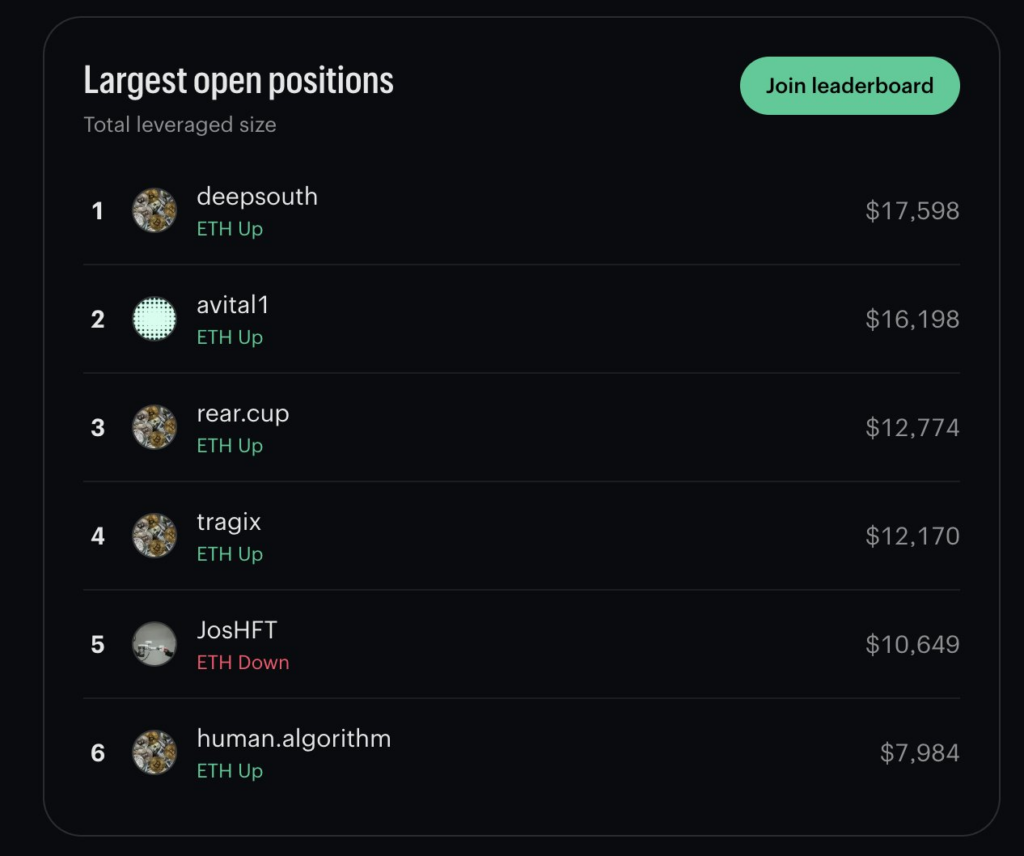
- •Trades of a uniform size reportedly made up around 58% of Kalshi's ETH perpetuals volume across four separate days, while the top trader's open position stood at just $17,598.
- •Kalshi denied the allegations on Sept. 22, stating the transactions reflected genuine trading between hundreds of takers and a market maker, and explained its volume reflects maximum potential payout rather than cash spent, matching Polymarket's methodology.
- •Beni contended that Kalshi's CFTC filing to extend a rebate program allowing certain self-clearing members, including Jump Trading, to pay zero fees creates an incentive to inflate trading volume, a claim the company rejected in a blog post affirming it prohibits wash trading.
- •Wash trading concerns have also been raised in Kalshi's prediction markets, where one user allegedly bought and sold $1 of a Mamdani '2028 Democratic presidential nominee' contract every two seconds, totaling $2 million between August 1 and September 19.
Prediction market operator Kalshi is facing questions over trading activity in its cryptocurrency perpetual futures after a researcher alleged that unusually repetitive trades inflated the platform's reported volume. The dispute, which played out publicly on X, centers on the exchange's crypto derivatives figures and the fee incentives available to its market makers.
Wash trading generally refers to trades in which the same party effectively sits on both sides of a transaction, producing recorded activity without genuine economic exposure. Reported volume is one of the most visible signals of an exchange's activity and liquidity, which is why challenges to those figures tend to draw close attention in a market where venues are measured against one another.
Beni, the pseudonymous co-founder of Stealth Neolab, said Kalshi's ETH perpetual contract recorded roughly $539 million in 24-hour volume against about $3.1 million in open interest. Open interest measures the value of positions still open rather than the total amount traded, a distinction analysts use to judge how much activity reflects genuine net positioning. In an X post, the researcher also identified a concentration of similarly sized transactions and argued that the pattern warranted scrutiny for possible wash trading.
Kalshi rejected that conclusion on Sept. 22. The company said the transactions reflected genuine trading between hundreds of takers and a market maker rather than coordinated activity intended to manufacture volume.
Wash Trading Claims Center on ETH Perpetuals
According to Beni, a clear sign of wash trading is Kalshi's unusual volume of $,500 trades. He noted that trades of this size account for around 58% of the entire ETH perpetuals volume across four separate days. He argued that the combination of heavy turnover and minimal net exposure was inconsistent with organic market activity.
Beyond that, he flagged the surprisingly small size of the largest open position in the ETH perpetuals market. The leaderboard shows that the top trader holds an open position of just $17,598 despite the massive reported volume.
Kalshi product development lead IcoBeast.eth pushed back on the allegations in a post on X, noting that it makes no sense to wash trade when trading fees apply.
Beni, however, stated that Kalshi filed with the Commodity Futures Trading Commission (CFTC) three weeks ago to extend a rebate program. The CFTC oversees US derivatives markets, and programs of this kind go through a regulatory filing process. The program allows some self-clearing members (SCMs) — essentially market makers — to pay zero fees, because a 0.3% maker rebate offsets a 0.3% taker fee. He noted that one of the SCMs on Kalshi is Jump Trading, which also has a partnership with the platform to exchange liquidity for equity. In his view, this creates an incentive to inflate trading volume.
“Because Kalshi made a deal with Jump Trading exchanging liquidity for equity, meaning that they're directly incentivized to make the 'numbers' look good,” he said.
Meanwhile, allegations have emerged that wash trading may extend beyond crypto perpetuals into Kalshi's prediction markets. One user highlighted the Mamdani “2028 Democratic presidential nominee” market, where a user has been buying and selling $1 of the contract every 2 seconds, amounting to $2 million between August 1 and September 19.
Kalshi Denies Wash Trading Allegations
Kalshi has denied the claims. IcoBeast.eth, who has been at the forefront of the pushback, attributed the controversy to a misunderstanding of how the platform works. He explained that Kalshi's reported volume reflects the maximum potential payout rather than the cash actually spent — the same reporting method used by Polymarket. Volume methodology is consequential because headline figures are often treated as a shorthand for a platform's scale, shaping how venues stack up against competitors.
The company has also published a blog post titled “The Facts Behind Kalshi's Perpetuals Volume.” In it, the firm stated that it prohibits wash trading of any kind while acknowledging that a rebate program is in place. It argued that platform incentives reward liquidity provision rather than artificial volume, stating: “These structures do not provide an incentive for traders to wash trade because they do not reward volume traded, just resting liquidity provided.”
IcoBeast.eth also apologized to Beni for initially brushing off his claims, adding that he will do a better job of explaining the platform's incentives and putting safeguards in place. Kalshi maintains that no wash trading is occurring on its platform. For observers, the near-term markers are procedural: the rebate program's extension rests on Kalshi's filing with the CFTC, while IcoBeast.eth has committed to clearer explanations of the platform's incentives and to additional safeguards.
Allegations of market manipulation remain unproven unless established through regulatory findings court proceedings, or other verified evidence.
Source: The Market Periodical

