Justin Sun Says World Liberty Added Backdoor Functions to USD1
Key Takeaways
- •A California federal judge rejected World Liberty Financial’s effort to move Justin Sun’s individual claims into confidential arbitration.
- •Sun alleges that USD1 includes contract functions that could freeze, restrict, or destroy user assets.
- •Sun said he invested $45 million and is seeking hundreds of millions of dollars in his lawsuit.
- •Sun questioned World Liberty’s finances, citing reported USD1 collateral and WLFI tokens deposited on Dolomite as loan collateral.
- •The judge ordered both sides to negotiate which company-related claims belong in arbitration and whether related filings should stay public.
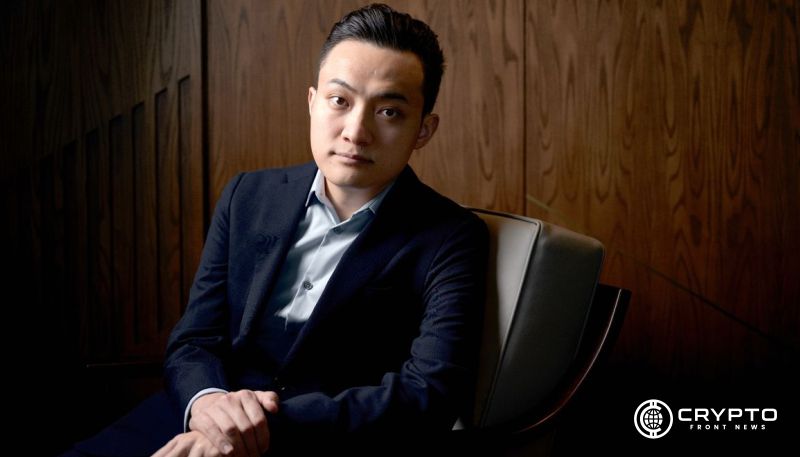
Justin Sun alleges that USD1 contracts can freeze or destroy user assets, while World Liberty has not publicly responded to the claims.
A judge rejected World Liberty’s effort to move Sun’s individual claims into confidential arbitration during an August 20 hearing.
Sun is also questioning World Liberty’s finances, pointing to reported USD1 collateral and loans backed by WLFI tokens on Dolomite.
Tron founder Justin Sun said a California federal judge rejected World Liberty Financial’s attempt to move their dispute into confidential arbitration. World Liberty Financial is the crypto venture associated with Donald Trump and co-founded by members of his family, and its USD1 stablecoin, launched in 2025, has been used in large institutional deals, including Abu Dhabi-based MGX’s reported $2 billion investment in Binance that was settled in the token. According to Sun, the August 20 hearing kept his individual claims in public court, while the judge ordered both sides to negotiate which company-related claims belong in arbitration and whether related filings should remain public. How that line is drawn will determine which parts of the case proceed in public court and which are handled in confidential arbitration.
Sun Challenges USD1 Controls
Sun accused World Liberty of adding backdoor functions to its USD1 stablecoin. He said those functions could allow the project to freeze or destroy user assets. The allegations follow Sun’s earlier claims involving WLFI tokens. Issuer-controlled freeze and blacklist functions are common in centralized stablecoins. Tether’s USDT and Circle’s USDC both let their issuers lock funds at specific addresses, typically in response to law-enforcement or sanctions requests.
He said he invested $45 million and alleged that World Liberty used contract controls to freeze, restrict, or destroy his tokens. Public reports identified Sun as one of the largest buyers in the WLFI token sale. Sun said the court barred World Liberty from destroying, impairing, reallocating, or permanently disposing of his tokens. His lawsuit seeks hundreds of millions of dollars. The case also unfolds as stablecoin issuers adapt to the GENIUS Act, the U.S. stablecoin law signed in July 2025 that sets reserve and federal oversight requirements for payment stablecoins.
World Liberty has not publicly responded to his latest remarks. Sun said he has not seen evidence that World Liberty has enough capital outside USD1 collateral to cover his claims. Sun has separately contested Securities and Exchange Commission charges filed against him in March 2023 over Tron-related token offerings and market conduct.
Sun Questions World Liberty’s Finances
Sun said USD1’s reported market capitalization is near $4 billion, describing that amount as user collateral backing the stablecoin. He argued that those assets cannot satisfy court judgments tied to his claims.
He cited reports that World Liberty deposited about $5 billion of WLFI tokens as collateral on Dolomite, a lending protocol that operates across Ethereum and several of its layer-2 networks. According to those reports, World Liberty borrowed at least $75 million in stablecoins, including USD1.
Sun noted that Dolomite’s co-founder is World Liberty’s chief technology officer. He compared the reported lending structure with leveraged arrangements tied to Sam Bankman-Fried’s FTX fraud.
Sun Raises Dough Finance Concerns
Sun also referred to World Liberty co-founder Chase Herro and his previous involvement with Dough Finance. Investors sued over a reported hack involving assets allegedly moved into Herro’s wallet.
Public reports said many Dough Finance participants later became involved with World Liberty. Sun also referenced his earlier dispute with ARIA over about $500 million in TUSD collateral.
He said ARIA agent Vincent Chok later launched FDUSD through First Digital Trust. Sun cited FDUSD’s later depeg and Binance delistings while urging investors to conduct due diligence.
Justin Sun’s X post is available here.
The post Justin Sun Claims World Liberty Gave USD1 Backdoor Functions appears on Crypto Front News.

