Justin Sun Seeks Sanctions Against Trump-Linked World Liberty Financial Over Undisclosed UAE Ties
Key Takeaways
- •Justin Sun has asked the court to sanction World Liberty Financial and its attorneys, claiming the company omitted its UAE ownership ties from early court filings in his frozen-token lawsuit.
- •The amended disclosure, filed shortly after an August hearing, identified 22 entities in the ownership chain with citizenship in Florida, Delaware, Puerto Rico and the UAE.
- •The jurisdictional question could decide where the case is heard, with World Liberty arguing the federal court lacks jurisdiction and Sun planning to refile in California state court.
- •Sun began investing in World Liberty in November 2024, agreeing to buy $30 million of WLFI tokens and later raising his total commitment to $45 million.
- •The court has not found that World Liberty intentionally concealed its ownership, and the company, which has defended freezing Sun's tokens, could not be reached for comment.
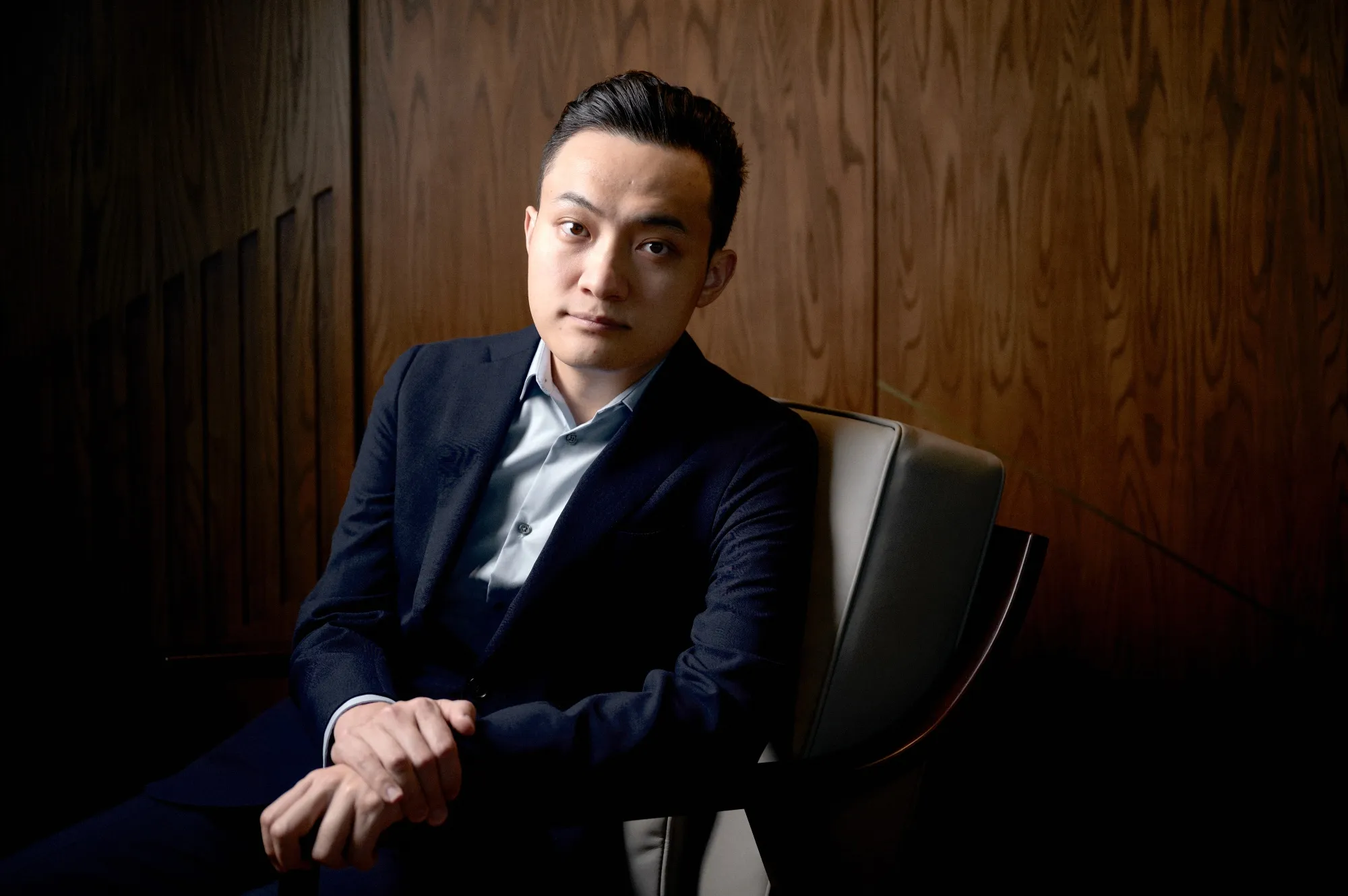
Justin Sun is seeking sanctions against World Liberty Financial, the Trump-linked crypto venture, and its lawyers, alleging that the company failed to disclose its ties to the United Arab Emirates in his lawsuit over frozen tokens, according to a CoinDesk report. Sun said the venture identified itself as a Florida citizen in its initial court filings before later adding foreign entities to its disclosures.
The jurisdictional dispute could determine where Sun's case proceeds. World Liberty now argues that the federal court lacks jurisdiction over the matter, while Sun says he plans to refile in California state court once the court resolves his sanctions motion.
Sanctions Motion Targets Trump-Linked World Liberty
Sun sued World Liberty in April, alleging fraud and the unlawful freezing of tokens tied to his investment. In an X post on Tuesday, he said the company initially told a California federal court that it was a citizen of Florida.
According to Sun, World Liberty amended its disclosure to include the UAE after a judge ruled that some claims could remain in public court rather than move to private arbitration. The updated filing identified 22 entities in the ownership chain and claimed citizenship in Florida, Delaware, Puerto Rico and the UAE.
Sun argued that the company should have disclosed its foreign ownership at the start of the case, and that his lawyers spent months and hundreds of thousands of dollars contesting World Liberty's request to move the dispute into arbitration. If granted, sanctions would add a separate track to the litigation, one centered on the conduct of the filings themselves rather than the underlying fraud and token-freeze claims.
Dispute Over the Court Filing
World Liberty's revised disclosure came less than a week after an August hearing, according to Sun. He said the change could prevent the lawsuit from proceeding in federal court, because the presence of foreign citizens on both sides can affect whether that court has jurisdiction to hear the case.
World Liberty's lawyers have said they learned of the UAE citizenship only after filing the original disclosure, according to Sun. He is asking the court to hold the company and its lawyers accountable for what he describes as a misleading filing. The court has not found that World Liberty intentionally concealed its ownership.
Sun was among World Liberty's earliest and largest investors. He agreed in November 2024 to purchase $30 million worth of WLFI tokens and later raised his total investment to $45 million. The relationship deteriorated after Sun alleged that World Liberty induced his investment through fraud and then froze his tokens, blocking his access to the assets.
World Liberty previously defended its decision to freeze Sun's tokens. The company could not be reached for comment on the latest allegations. Sun also said the company sought arbitration in April, a request he opposed.
What Happens to Sun's Lawsuit
At the August hearing, the court ruled that some claims should remain in public court while others should proceed to arbitration. That ruling split the difference on the arbitration request World Liberty filed in April and Sun opposed. The later ownership disclosure has since become the focus of both Sun's sanctions request and World Liberty's jurisdiction argument.
In his X post, Sun wrote that World Liberty was “proudly American when it was selling tokens” and discovered its UAE ties only when it needed a way out of federal court. The statement reflects Sun's allegation; the company disputes his account, and the court has not determined that it deliberately hid its ownership.
Sun says he will refile his claims in California state court once the sanctions motion is resolved, making the court's ruling on that motion the next procedural milestone in the case. World Liberty, for its part, maintains that the federal court lacks jurisdiction.

