Federal Judges Accuse Trump DOJ of Hiding Its 'True Motives' in Push for Voter Data
Key Takeaways
- •The Justice Department has sued 30 states and Washington, D.C., over access to unredacted voter rolls.
- •Judges have dismissed all 26 lawsuits that have reached rulings, with four cases still pending and one state settlement reported.
- •Courts rejected the department’s reliance on the 2025 election-integrity executive order and a 1960 Civil Rights Act provision.
- •The administration has appealed most decisions, but the resolved Michigan appeal upheld dismissal of the case.
- •Several judges questioned the department’s stated motives and credibility, while a Justice Department spokesperson denied wrongdoing.
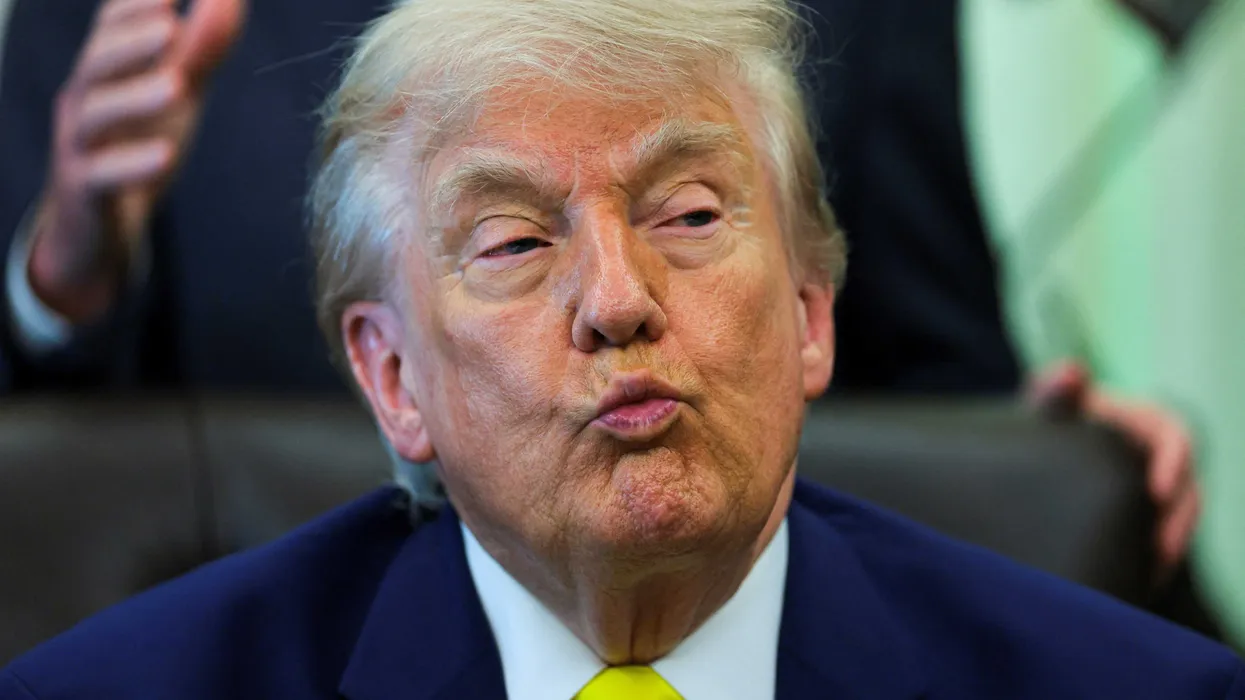
President Donald Trump's Justice Department has drawn a series of rebukes from federal judges across the country, with one accusing the administration of concealing its "true motives" as it pursues access to Americans' voter data.
A ProPublica investigation published Friday documented how judges have rejected the department's legal arguments in 26 lawsuits seeking states' unredacted voter rolls, delivering an embarrassing string of defeats to the administration's effort to obtain election records.
Since September of last year, the DOJ's Civil Rights Division has sued 30 states, including Washington, D.C., in an effort to obtain confidential information about millions of American voters contained in unredacted voter rolls. The demands reach into an area long administered by the states themselves: in the American system, voter registration lists are compiled and maintained by state and local election officials, a division of responsibility that has been central to the courts' objections to the department's claims of federal authority.
One judge, appointed by President Bill Clinton, accused the Trump administration of trampling on Americans' right to vote, writing: "The foundation upon which American democracy has been built is the right to vote. … Now it seems the Executive Branch of the United States government wants to abridge the right of many Americans to cast their ballots. … The Court does not take lightly DOJ's obfuscation of its true motives."
The criticism has not been limited to judges appointed by Democrats. In West Virginia, U.S. District Judge E. Johnston, a George W. Bush appointee, rejected the government's demand, stating: "Clearly, this demand is devoid of any factual basis."
According to ProPublica, the administration initially grounded its claims in Trump's March 2025 executive order on election integrity. After courts rejected that approach, DOJ lawyers changed strategy, invoking a Civil Rights Act of 1960 provision designed to preserve election records and protect voters from discrimination. Judges ruled, however, that the provision did not give federal officials the authority over state-maintained voter rolls that the department claimed.
U.S. District Judge Cathy Bissoon, an appointee of President Barack Obama, said public statements revealed the administration's true intent to create a national voter database that could potentially be used in future elections as a "fishing expedition" to make unsubstantiated claims of non-citizens voting for immigration enforcement.
In Oregon, Judge Mustafa T. Kasubhai warned about the government's credibility, writing that "The presumption of regularity ... no longer holds," before questioning whether the department deserved the benefit of the doubt about its stated intentions. He cited a letter from Attorney General Pam Bondi linking access to Minnesota voter records to demands concerning immigration enforcement.
All 26 judges who ruled have dismissed the department's lawsuits, according to ProPublica, while four cases remain pending and one state settled. The administration has appealed most of the decisions, but the only appeal resolved so far upheld the dismissal of the Michigan case. With most of the litigation still undecided, how far federal authority extends over state-maintained voter records remains an open question headed toward further appellate review.
A Justice Department spokesperson denied that department attorneys committed any wrongdoing. "Disagreement with the government's position is not evidence of bad faith. We look forward to making our case on appeal," the spokesperson said.

