Federal Judge Refuses to Block Minnesota's AI Deepfake Ban in Setback for Musk's SpaceXAI
Key Takeaways
- •U.S. District Judge Donovan Frank denied SpaceXAI's emergency request to block Minnesota's sexually explicit deepfake law, citing the company's three-month delay in filing suit.
- •The judge ruled that Minnesota's interest in curbing AI-generated nonconsensual pornography and child sexual abuse material outweighed any burden on SpaceXAI.
- •SpaceXAI, formerly xAI and operator of X and Grok, faces fines of up to $500,000 per violation under the Minnesota law.
- •The Justice Department filed a statement of interest largely supporting SpaceXAI's free speech position, citing a Trump executive order against state-level AI regulations.
- •The judge has yet to rule on SpaceXAI's central First Amendment claims, a decision that could affect similar deepfake laws in other states.
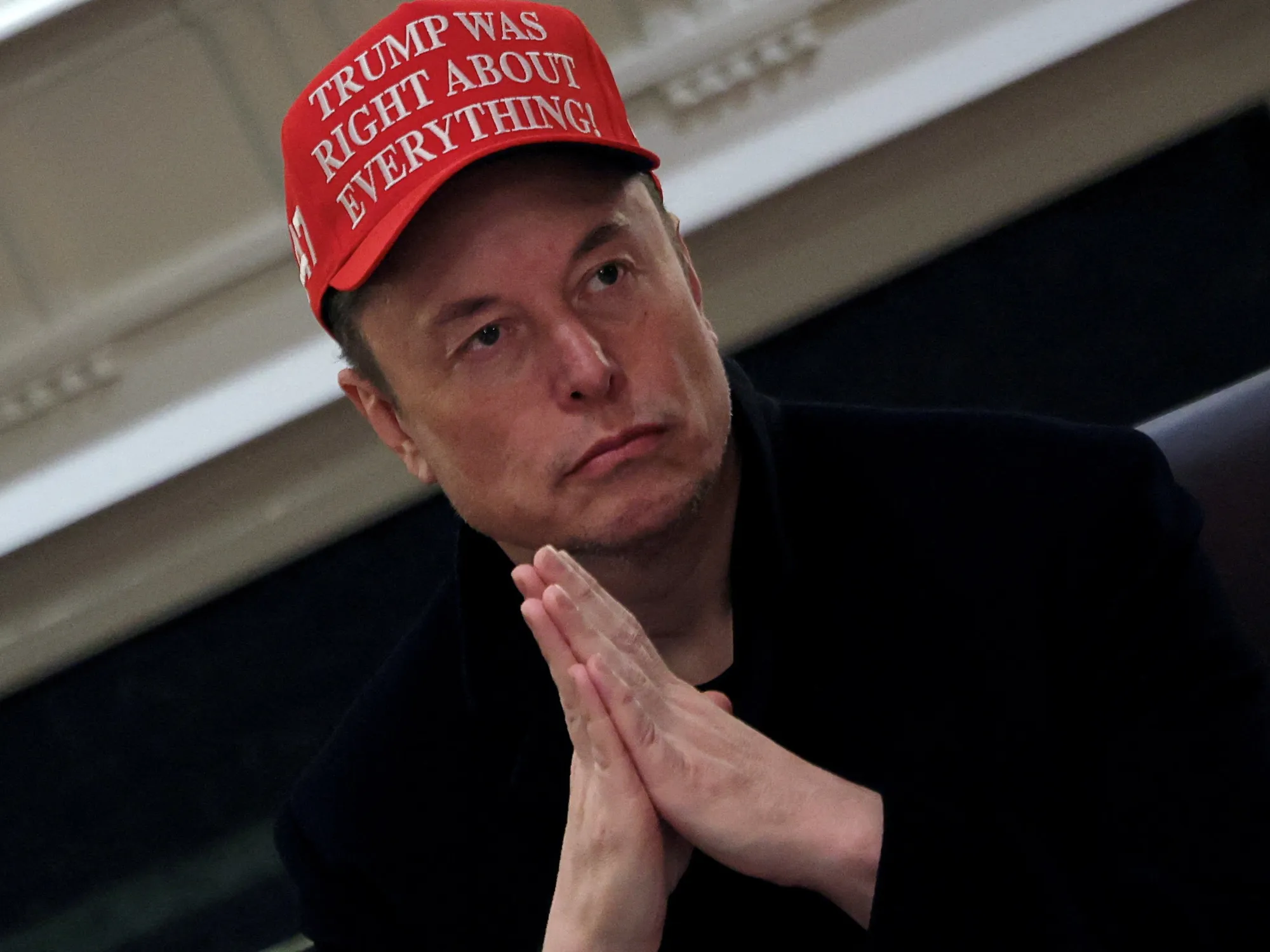
A federal judge on Friday declined to block Minnesota's law banning sexually explicit AI deepfakes, dealing a setback to tech tycoon Elon Musk's company SpaceXAI — even as the Trump administration's Justice Department sided with Musk in the dispute.
According to Politico, U.S. District Judge Donovan Frank ruled that SpaceXAI — formerly known as xAI, and the operator of both X and the Grok AI chatbot — simply waited too long to seek emergency relief. The company sat on the issue for three months before filing suit just three days before Minnesota's law took effect on August 1. Frank said any harm to the company's business could still be addressed later if it ultimately proves the law violates the First Amendment.
The judge made clear that the state's interest in curbing AI-generated nonconsensual pornography and child sexual abuse material far outweighs any burden on SpaceXAI. Minnesota is one of a growing number of states that have moved to regulate sexually explicit deepfakes as the technology has spread rapidly, putting state legislatures on a collision course with AI companies over where free speech protections end.
"The State has enacted, democratically and nearly unanimously, a civil statute aimed at protecting the public from the undisputed harm stemming from AI-nudification technology and the resulting proliferation of photorealistic sexualized images," Frank wrote. "And when comparing the interests of the State with any potential harm to xAI, the Court finds without hesitation that the balance of the equities weighs heavily in favor of the State."
Grok already faces a wave of separate lawsuits tied to its creation of sexualized images, and has drawn public criticism for a series of botched efforts to make it push right-wing propaganda — including one episode in which it proclaimed itself "MechaHitler."
SpaceXAI has argued that the Minnesota law's fines, which can reach $500,000 per violation, threaten to cost the company both revenue and users through heightened content moderation demands.
Notably, the Justice Department filed its own statement of interest largely backing SpaceXAI's free speech arguments, relying on an executive order from President Trump aimed at restricting state-level AI regulations. The filing illustrates how the fight over Minnesota's statute has become part of a wider tension between the administration's push to preempt state AI rules and state efforts to police the technology.
The clash sets up a broader First Amendment fight over Minnesota's law, with Frank still to rule on SpaceXAI's central free speech claims as the underlying case moves forward — a ruling that could shape how other states' deepfake laws fare against similar constitutional challenges. SpaceXAI did not immediately respond to a request for comment.
Musk, a close ally of Trump, is reportedly facing a damaging new exposé that could drop soon.
