U.S. Shale Producers Lose Bid to End Oil Price-Fixing Case
Key Takeaways
- •Judge Matthew Garcia rejected dismissal bids by Diamondback Energy, Occidental Petroleum and other shale producers in the consolidated antitrust case.
- •The lawsuits, filed starting in 2024, accuse producers of coordinating output cuts that raised prices for crude oil, gasoline, diesel and heating oil.
- •Garcia said the plaintiffs plausibly alleged a conspiracy based on production choices, market conditions, communications and public statements.
- •The defendants deny wrongdoing and say production data does not support the claims, noting that some companies increased output during the period in question.
- •The court will now consider whether supply restraint in the U.S. shale sector was the result of independent decisions or coordinated action.
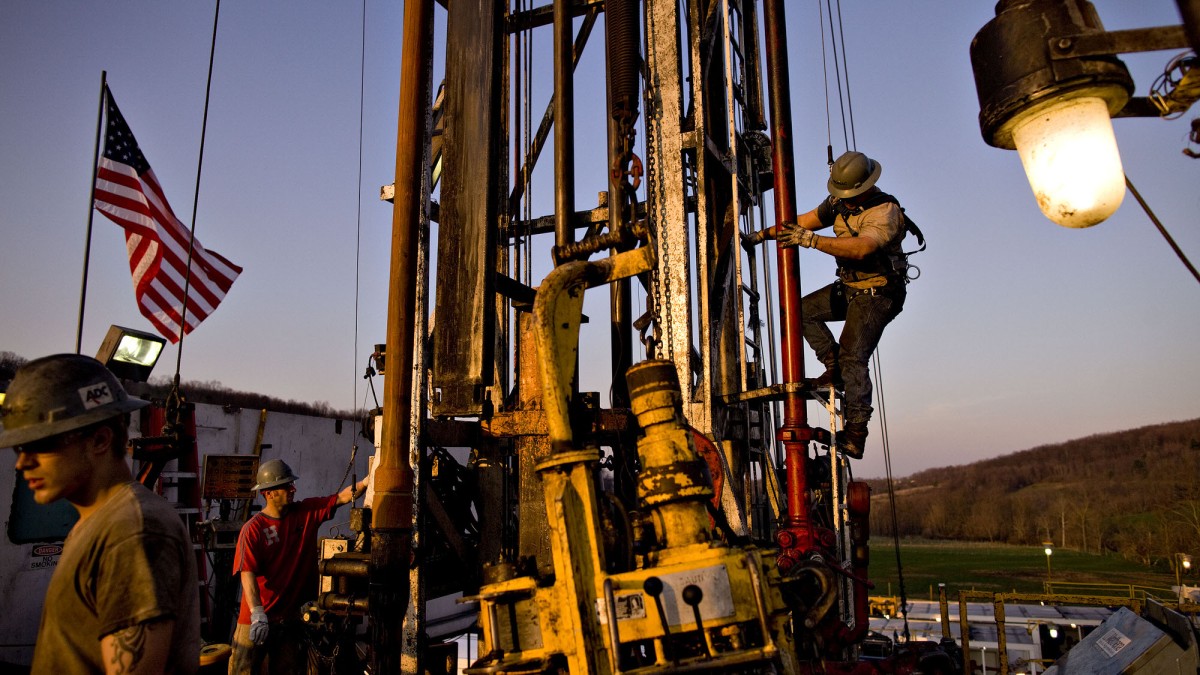
A federal judge has allowed antitrust lawsuits accusing some of the largest U.S. shale producers of coordinating production cuts to keep oil and fuel prices higher to move forward.
U.S. District Judge Matthew Garcia in New Mexico rejected attempts by Diamondback Energy, Occidental Petroleum and other producers to dismiss the consolidated litigation. The lawsuits, which were filed beginning in 2024, allege that producers restrained shale output and ultimately pushed up prices for crude oil, gasoline, diesel and heating oil.
Garcia said the plaintiffs had plausibly alleged a conspiracy based on production decisions, market conditions, communications and public statements. He also ruled that the complaints identified interactions among producers that went beyond the normal exchange of industry information.
That does not amount to proof of price fixing. Diamondback, Occidental and the other defendants deny wrongdoing and argue that actual production data cuts against the allegation. Several producers increased output during the period in which the plaintiffs say the industry was coordinating reductions.
Still, the case places a very different legal lens on what shale executives have long described as capital discipline, a shift that has helped define the U.S. shale industry since investors began pressing companies for better returns, lower debt and more cash instead of a drill-at-any-price strategy. The plaintiffs argue that at least some of that restraint crossed the line from independent corporate decision-making into coordinated production management.
Garcia also rejected the producers’ argument that the case would force the court to wade into U.S. energy and foreign policy. He wrote that the relevant question is whether domestic companies and individuals coordinated production cuts, which antitrust law already covers.
Shale’s ability to respond quickly to higher prices has long been one of the oil market’s biggest supply buffers, so the case will test how courts view production restraint in an industry where output decisions can affect broader fuel markets. The court will now examine whether decisions to restrain that supply were made independently or together.
By Julianne Geiger for Oilprice.com
