Iowa Judge Dismisses Trump Lawsuit Against Des Moines Register and Pollster J. Ann Selzer
Key Takeaways
- •An Iowa district court judge dismissed President Trump's lawsuit against the Des Moines Register, its parent company, and pollster J. Ann Selzer with prejudice, meaning the same claim cannot be filed again.
- •The 2024 Iowa Poll, released three days before Election Day, showed Harris leading Trump among likely voters 47% to 44%, but Trump ultimately won the state by 13 percentage points, a 16-point gap from the survey.
- •Trump's lawsuit claimed the poll was brazen election interference and violated Iowa's Consumer Fraud Act, but Judge Scott Beattie ruled that the plaintiffs were improperly trying to convert highly protected First Amendment speech into legal liability.
- •The ruling places pre-election polling within the realm of protected political speech rather than the commercial conduct covered by Iowa's consumer fraud statute.
- •The Foundation for Individual Rights and Expression, which represented Selzer, celebrated the dismissal, and Selzer stated that polling is a social science and that gaps between poll results and outcomes are not evidence of fraud.
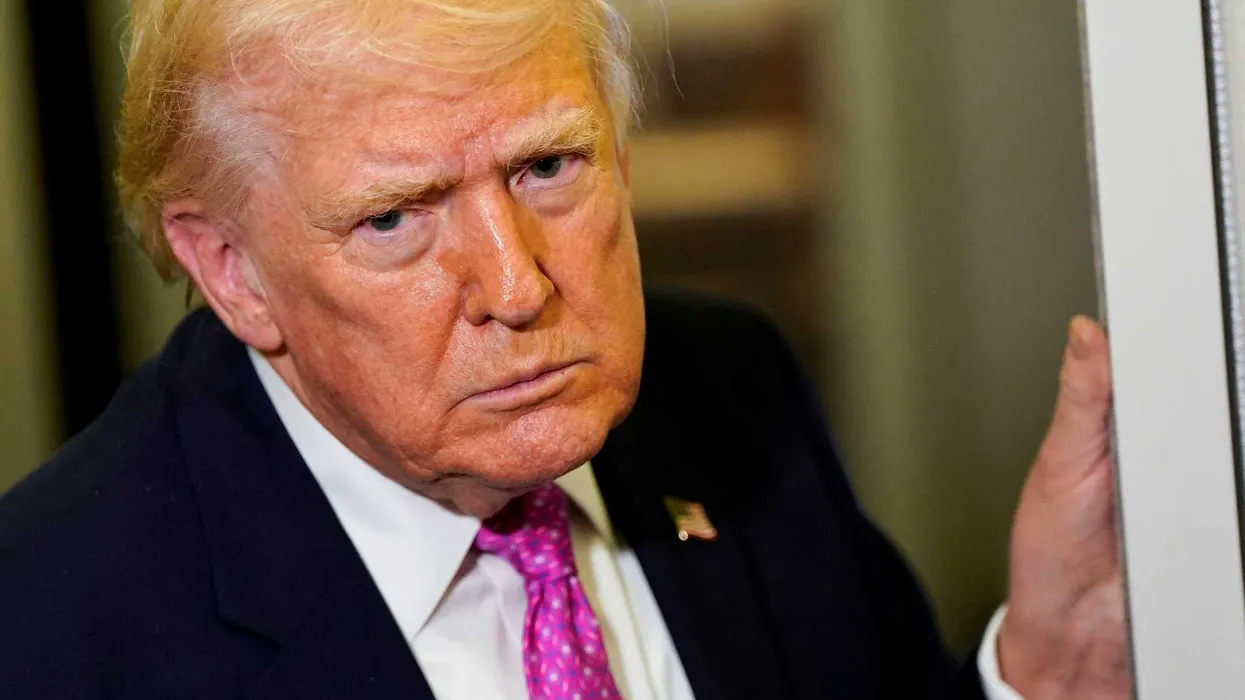
An Iowa district court judge on Wednesday dismissed President Donald Trump's lawsuit against the Des Moines Register and veteran pollster J. Ann Selzer over the 2024 Iowa Poll published shortly before the presidential election.
Trump filed the suit in 2024, after winning the U.S. presidential race against former Vice President Kamala Harris, naming the Iowa newspaper, its parent company Gannett Co. (since renamed USA Today Co.), Selzer, and her polling company as defendants. The Iowa Poll, conducted by Selzer's firm for the newspaper and released three days before Election Day, showed Harris leading Trump among likely Iowa voters, 47% to 44%. Trump ultimately carried the state by 13 percentage points, leaving a 16-point gap between the survey and the outcome.
According to the complaint, the poll was an attempt to "create a false narrative of inevitability for Harris in the final week of the 2024 Presidential Election."
The case moved from federal court to state court in 2025, when Trump's attorneysfiled the lawsuit alongside U.S. Rep. Mariannette Miller-Meeks and former state Sen. Brad Zaun. The plaintiffs had claimed the poll results constituted "brazen election interference" and a violation of Iowa's Consumer Fraud Act, a statute generally aimed at deceptive practices in commercial transactions. District Court Judge Scott Beattie said that claim was incorrect.
"At its core, the plaintiffs' petition seeks to stretch both Iowa statutory and common law beyond their current bounds, turning speech that enjoys the highest category of First Amendment protection into a liability," Beattie wrote in his ruling.
The judge dismissed the case with prejudice, meaning Trump will not be able to file the same legal claim again. The ruling places pre-election polling in the realm of protected political speech rather than the kind of commercial conduct the state's consumer fraud law was written to reach.
The Foundation for Individual Rights and Expression (FIRE), the organization representing Selzer, released a statement celebrating the decision on Wednesday.
"We're pleased that the court recognized what we've said all along: This lawsuit was laughable from the beginning and never should have been brought," FIRE Chief Counsel Bob Corn-Revere said in a statement. "The First Amendment does not allow anyone in government, least of all the president, to punish people under the banner of 'fake news.' That may work for him as a campaign slogan, but it is not a thing in the law."
Selzer, in her own statement, reiterated that a difference between polling results and election outcomes is neither a deliberate act nor evidence of fraud.
"Polling is a social science, not clairvoyance, and no responsible pollster can guarantee an election outcome," Selzer said. "What we can guarantee is that we will follow the data wherever it leads, even when the results are uncomfortable or unexpected. I am grateful that Judge Beattie's ruling recognizes these principles and reaffirms the fundamental freedom to pursue and publish the truth without political interference."
Attorney Alan Ostergren, who represented the president in the lawsuit, did not immediately respond to a request for comment on the case dismissal.
This report was originally published by Alternet.

