Judges Raise Concerns Over Justice Department 'Controlled by the White House'
Key Takeaways
- •The judge overseeing the case against journalists, including former CNN host Don Lemon, has ordered the DOJ to produce its grand jury presentation that led to the indictments.
- •Joey Jackson said the demand is unusual but reflects growing judicial scrutiny of how prosecutors construct cases before charges are filed.
- •Jackson suggested judges are concerned about the DOJ's independence, citing perceived targeting of political figures such as James Comey and Letitia James.
- •If the judge finds improprieties in the grand jury process, the case could be dismissed, as happened in the Broadview Six case.
- •The DOJ sought search warrants for the journalists from two judges who both refused, after which prosecutors went directly to the grand jury.
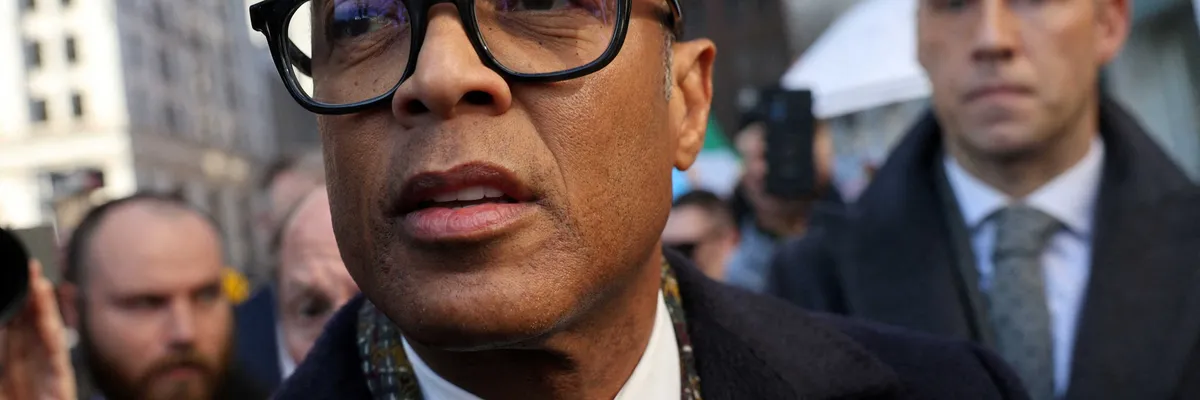
CNN legal analyst Joey Jackson said the Justice Department is in trouble again.
The judge overseeing the case involving journalists, including ex-CNN host Don Lemon, is demanding that the DOJ turn over its presentation to the grand jury that led to the indictments. Jackson said it is an unusual move, though one that is happening more often as courts look more closely at how prosecutors build cases before charges are filed.
"I think that you have judges, and particularly this one and others, who are very concerned about a Justice Department that may not be doing justice. There's been — and it hasn't been a secret, right? An indication of whether we have a Justice Department that's being controlled by the White House," Jackson said.
He said that in past administrations, the DOJ may have shared policy goals with the White House, but it still operated independently and made prosecution decisions based on evidence rather than presidential demands.
"We know about James Comey, right? We know about going after him, political enemy. We know about Letitia James, going after her. Why is that relevant to this discussion? Because I think there may be a feeling amongst the judiciary based upon this and other cases. Is this proper legal protocol? Did you do it right? Did you call balls and strikes?" Jackson asked.
Jackson said grand juries operate as "judge, jury and executioner" in these cases, and there is no defense presented. He said the grand jury must determine whether the facts rise to the level of legal sufficiency to support an indictment.
"So, you could instruct the grand jury however you wish. You can give facts to the grand jury, which you do through witnesses, but you legally instruct them. This judge is making sure that all of that was done properly with regard to the first indictment and what we call the superseding indictment thereafter," Jackson said.
If the judge reviews the grand jury information and finds improprieties, the case could be dismissed. Jackson pointed to the Broadview Six case, in which local activists and leaders were indicted after inappropriate moves by the U.S. Attorney's Office in that case. He also raised questions about what the DOJ told a Washington, D.C., grand jury about Olympian David Hearn, who was falsely accused of ripping up the lining of the Abraham Lincoln Reflecting Pool. The lawyer in that case wants to know whether the grand jury was lied to.
Jackson also said the DOJ went to two judges seeking a search warrant for the journalists, and both judges refused. The DOJ then bypassed the judges and went directly to the grand jury instead.

