Federal Judge Blocks Trump's Second Birthright Citizenship Order, Rejecting 'Distorted' Reading of Supreme Court Ruling
Key Takeaways
- •Judge Deborah L. Boardman granted a preliminary injunction halting a Trump executive order from August that sought to restrict birthright citizenship.
- •The judge found the order 'almost certainly unconstitutional' and rejected what she called a distorted reading of the Supreme Court's Trump v. Barbara decision.
- •The executive order would have denied citizenship to U.S.-born children of parents labeled 'alien enemies,' foreign government employees, or birth tourism participants.
- •The ruling cited two mothers, from Venezuela and Mexico, whose children risked being wrongly tagged as members of designated terrorist organizations.
- •The administration may still appeal the injunction, leaving open a possible return to a federal appeals court or the Supreme Court.
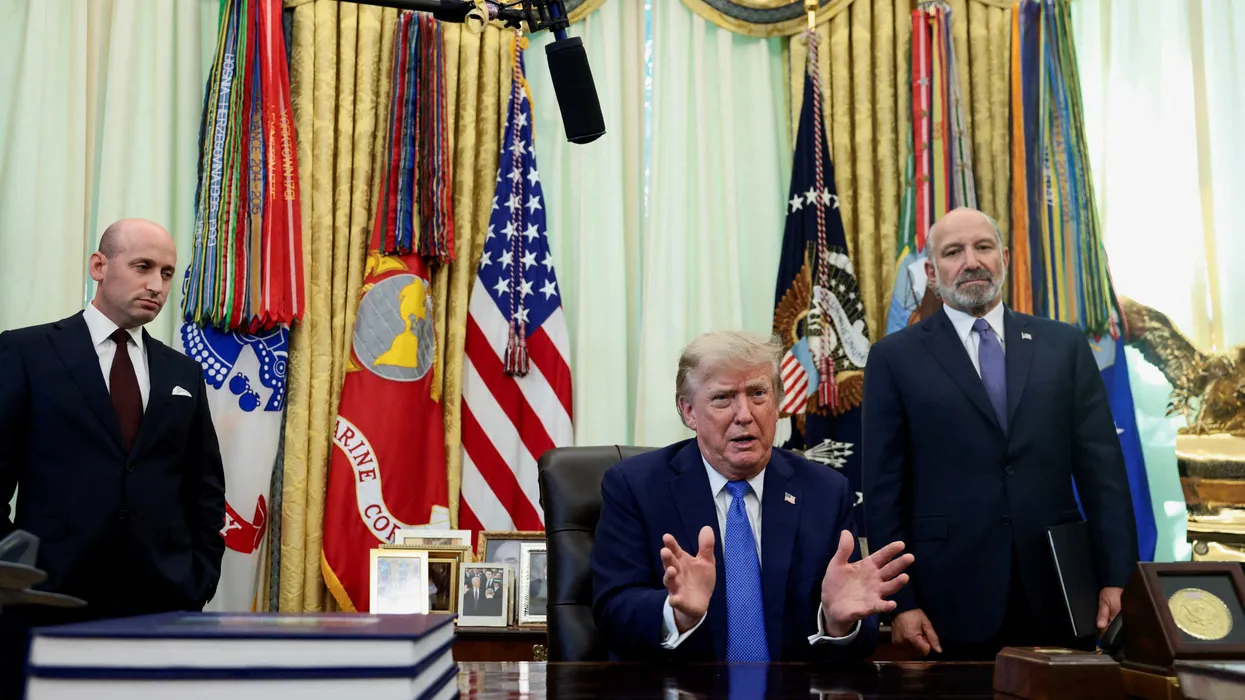
A federal judge has blocked President Donald Trump's latest attempt to deny birthright citizenship, rejecting what she called a "distorted" interpretation of a recent Supreme Court decision that the administration used to justify a new executive order.
In a ruling issued Wednesday, U.S. District Judge Deborah L. Boardman of the District of Maryland granted a preliminary injunction halting enforcement of an executive order Trump signed in August. According to the ruling, the order was his second attempt to narrow the 14th Amendment's guarantee of citizenship by birth — a guarantee that has stood since 1868, when the amendment was ratified in the aftermath of the Civil War to establish that all persons born on U.S. soil and subject to its jurisdiction are citizens.
The executive order came just one month after the Supreme Court ruled in Trump v. Barbara that children born to parents "unlawfully or temporarily present in the United States" are "citizens at birth." Boardman found that Trump's new order attempted to carve out fresh exceptions that the Supreme Court had never recognized. The case is the latest flashpoint in an ongoing conflict between the executive branch and federal courts over the limits of presidential power on immigration, an area where the administration has repeatedly tested how far executive orders can go against settled constitutional interpretations.
"No Presidential Executive Order can undo what the Supreme Court has done," Boardman wrote. "The Supreme Court has spoken. Barbara is the law of the land. The President must follow it."
Boardman described Trump's order as "almost certainly unconstitutional" as applied to children who are part of a "class" with certified citizenship, writing that its terms were "crystal clear and ripe for challenge." A preliminary injunction preserves the status quo while litigation proceeds, meaning the underlying merits of the dispute could still be contested on appeal — a path the administration has pursued in earlier birthright citizenship litigation.
The order sought to deny citizenship to U.S.-born children whose parents fall into new categories, including those the government labels "alien enemies," foreign government employees, or participants in so-called "birth tourism," the ruling explained.
"Not surprisingly, the defendants do not cite any language from Barbara to support this distorted interpretation of the opinion," Boardman wrote. "And of course there is none."
Boardman cited two mothers, from Venezuela and Mexico, whose children risk being wrongly tagged as members of designated terrorist organizations. She accused the Trump administration of misreading the Supreme Court's decision.
"Though the defendants may not like it, the Barbara Court's conclusion was clear: The children in the class 'satisfy both elements of the Citizenship Clause' — place and jurisdiction — and they are thus 'citizens at birth,'" Boardman wrote. The ruling leaves open the question of whether the administration will seek review from a federal appeals court or return to the Supreme Court, whose Barbara decision the government now finds cuts against its latest policy.

