Trump Attacks Judge Ana Reyes, a Biden Appointee Who Has Repeatedly Ruled in His Favor
Key Takeaways
- •Judge Ana Reyes, a Biden-appointed federal judge, was attacked by President Trump after officials skirted her demand to be informed before major golf course work at East Potomac Park, and the plan remains undecided after a tense hearing.
- •Trump labeled Reyes a "crazed lunatic," and she said a federal judge is receiving death threats over a golf course dispute.
- •Despite her appointment by Biden, Reyes has ruled in Trump's favor many times, including declining injunctions in cases involving Homeland Security office closures and the sharing of Iranian asylum applicants' information.
- •In the inspectors general case, Reyes agreed Trump violated the law by failing to notify Congress before the firings, but found she had no power to reinstate them, with her opinion invoking the Watergate scandal.
- •Several cases never reached a ruling under Reyes because the administration withdrew them or higher authority decided the outcome, such as the National Mediation Board firing case the Supreme Court resolved by overturning a 91-year precedent.
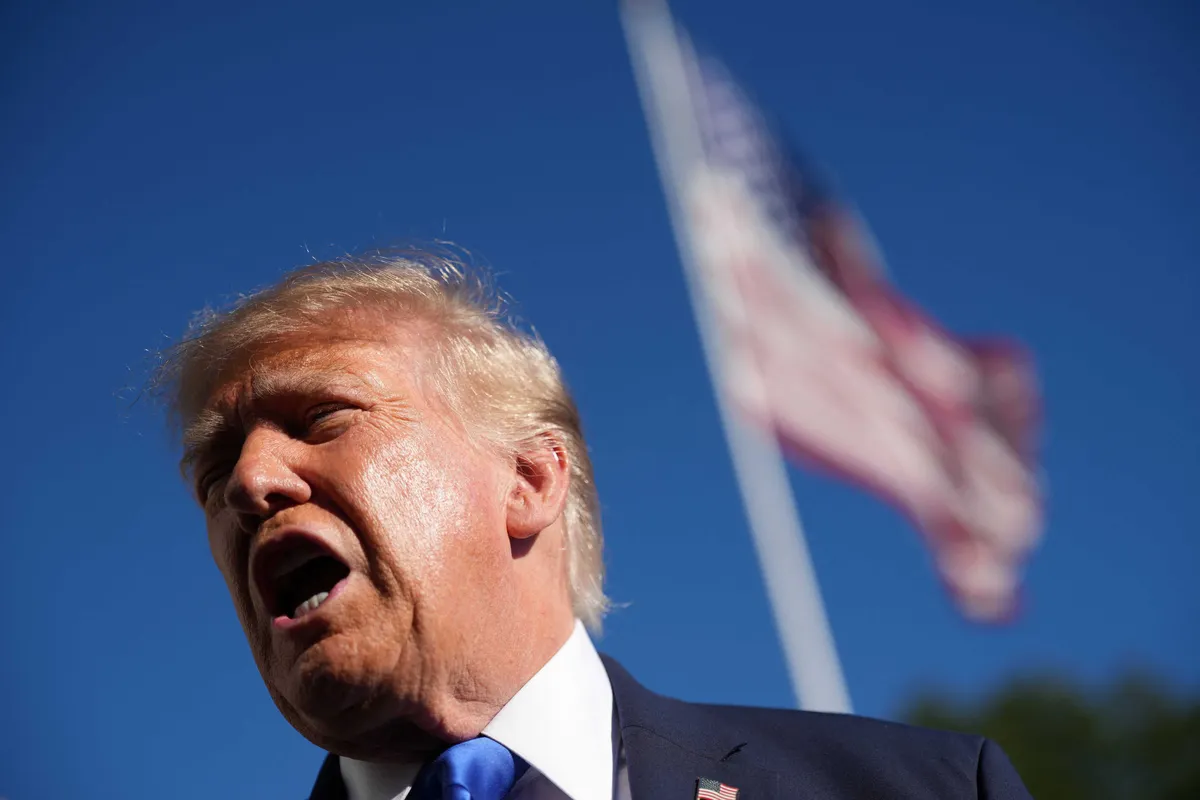
Judge Ana Reyes, a federal judge appointed by former President Joe Biden, has come under attack from President Donald Trump's administration after she unleashed fury at officials for skirting her demand to be informed ahead of major work on the golf course at East Potomac Park. She may be labeled a "Trump hater" by critics, but her record in court suggests the opposite.
Trump lashed out at Reyes earlier this week, claiming she was "freaking out" over the flood of death threats she received after he called her a "crazed lunatic."
"This is where we are," Reyes said, according to The Washington Post. "A federal judge is getting death threats over a golf course. I really don't think that's what the founders envisioned." The plan for the golf course itself remained undecided after the tense hearing the Post described.
Despite her appointment by Biden, Reyes has ruled in Trump's favor on many occasions, The Hill reported on Friday.
At the start of Trump's administration, the government began shuttering Homeland Security offices that deal with individual liberties. "Reyes declined to issue an injunction after the administration reversed its plans. The human rights group kept pushing, raising concerns that one of the offices was still not carrying out its responsibilities, but the judge refused to intervene," The Hill reported. An injunction is the tool a judge can use to freeze government action while a case proceeds, so declining one meant no such freeze ever took effect.
The inspectors general whom Trump fired upon entering office sued in court, arguing that the White House failed to notify Congress as required by law before the firings. "The judge ultimately agreed Trump violated the law, but she found she had no power to reinstate the inspectors general. In an opinion invoking the Watergate scandal, she repeatedly criticized Trump," The Hill said. Trump still won in the end.
The Iranian American Legal Defense Fund sued the State Department and the Department of Homeland Security in D.C. court this summer, alleging that the U.S. government has shared the names and information of Iranians applying for asylum in the United States. The group sought to block the sharing of that information and pressed for a swift injunction, but Reyes declined to grant one. The Justice Department has now moved to dismiss the case entirely, a request now sitting before her.
Reyes also never ruled on several cases because the Trump administration pulled them. In one instance, the Department of Housing and Urban Development (HUD) sought to revoke the 30-day notification rule that requires tenants to be told they are being evicted. A hearing had been scheduled, but HUD said it would delay the new rule "indefinitely" and claimed it was really just a "proposal" and not a new policy.
National Mediation Board member Deirdre Hamilton sued in February after the administration fired her without cause. Trump's theory was that he could fire anyone he wanted if they were appointed to a board under the executive branch. The Supreme Court ultimately agreed with Trump, overturning a 91-year precedent. Reyes had paused the case pending the Supreme Court's ruling, leaving the decisive word to the justices.

