Scaramucci Says JPMorgan Could Spend Up to $1 Billion on Its Bitcoin Business
Key Takeaways
- •Anthony Scaramucci of SkyBridge Capital estimates JPMorgan would need to spend between $500 million and $1 billion to develop a business serving Bitcoin clients, without providing a timeline for the investment.
- •Scaramucci claims a research note circulating within JPMorgan's private bank recommended a 10% portfolio allocation to Bitcoin, though neither the estimate nor the note has been verified through publicly available JPMorgan documents.
- •A securities filing dated Nov. 24 shows JPMorgan's financing subsidiary priced $300,000 in structured notes tied to BlackRock's iShares Bitcoin Trust ETF, offering $1,300 per $1,000 invested if the ETF closes at or above its initial price in November 2027, with investors risking loss of principal.
- •CEO Jamie Dimon has called Bitcoin a 'pet rock' and raised concerns about leverage and illicit activity, while stating customers may buy Bitcoin with holdings reflected on JPMorgan statements and custody left to third parties.
- •As the largest bank in the United States by assets, JPMorgan's willingness to build Bitcoin-linked products is watched across the industry as a measure of how far mainstream finance will go in serving crypto demand.
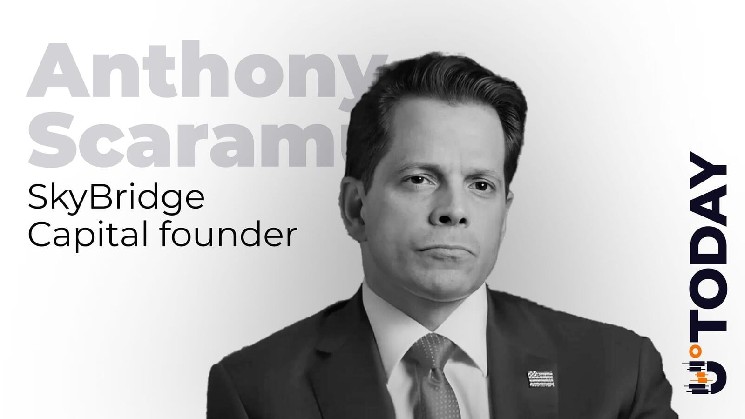
JPMorgan may need to spend between $500 million and $1 billion to build out its Bitcoin business, according to Anthony Scaramucci of SkyBridge Capital.
In Scaramucci's view, the bank's willingness to commit money to serving Bitcoin clients reveals more about its plans than CEO Jamie Dimon's public dismissal of the cryptocurrency as a "pet rock."
Scaramucci also claimed that a research note circulating within JPMorgan's private bank recommended allocating 10% of a portfolio to Bitcoin, describing it as potentially the most undervalued asset of the next decade.
He did not provide a timeline for the spending estimate, and neither the estimate nor the research note could be independently verified through publicly available JPMorgan documents.
"Know the difference between what people say and what they do with their money," Scaramucci wrote on X.
What Would the $1 Billion Go Toward?
The spending figure refers to what it might cost JPMorgan to develop a business serving Bitcoin clients. The 10% allocation recommendation, by contrast, concerns how much of a client's portfolio should be invested in Bitcoin — for a $1 million portfolio, that would mean allocating $100,000 to the asset.
The distinction matters because it does not mean JPMorgan is buying Bitcoin and adding it to its own balance sheet. A bank can profit from clients who want Bitcoin exposure even if its chief executive believes they are making a bad investment.
If JPMorgan were willing to spend hundreds of millions of dollars serving Bitcoin clients — assuming Scaramucci's numbers are correct — that would suggest the bank expects substantial demand for these services.
A securities filing dated Nov. 24 offers a concrete example of what JPMorgan already offers. The filing covers $300,000 worth of notes linked to BlackRock's iShares Bitcoin Trust ETF, priced by JPMorgan's financing subsidiary. Someone who invests $1,000 in these notes could receive $1,300 if the ETF closes at or above its initial price on the observation date in November 2027. However, investors also risk losing some or all of their principal.
It is a product JPMorgan created around a financial position that clients might want to take: where will this Bitcoin ETF be trading in a year's time?
Notes of this kind are a standard structured-finance tool: a debt instrument whose payout is tied to the performance of a reference asset — here, shares of the iShares Bitcoin Trust — letting investors take a position without buying Bitcoin directly. The reference fund launched in January 2024 as one of the first spot Bitcoin ETFs cleared by U.S. regulators, a step that made Bitcoin exposure accessible through ordinary brokerage accounts.
The scale of the institution involved is part of why the claim matters. JPMorgan is the largest bank in the United States by assets, and the products it chooses to build for clients are watched across the industry as a measure of how far mainstream finance is willing to go in serving demand for crypto exposure.
Dimon's Position on Bitcoin Explained
Scaramucci suggested that Dimon has regulators in mind when he publicly criticizes Bitcoin.
"He's a smart guy. He knows he has to go before regulators and say the right things," Scaramucci said.
According to Scaramucci's interpretation, Dimon can publicly dismiss Bitcoin to maintain a conservative stance while JPMorgan develops products for clients who want exposure to the cryptocurrency. However, this is Scaramucci's reading of Dimon's motives. Dimon's own public explanation has been more straightforward.
In a CNBC interview at Davos in January 2024, Dimon described Bitcoin as a "pet rock." At JPMorgan's investor day in May 2025, he raised concerns about leverage and illicit activity involving Bitcoin. But he also made it clear that customers could buy Bitcoin and see their holdings reflected on JPMorgan statements, saying at the time that the bank would leave custody to third parties.
"I defend your right to buy Bitcoin," Dimon said.
Against this backdrop, the research note Scaramucci described would be particularly significant, assuming his claims are accurate. Dimon has already explained why JPMorgan would allow customers to buy Bitcoin. But recommending that clients allocate one dollar out of every ten in their portfolios to Bitcoin would be a much bigger step.
The November securities filing shows that JPMorgan is willing to offer products providing Bitcoin exposure. It has not been independently confirmed, however, that JPMorgan's private bankers are recommending such a substantial allocation to their clients. What would resolve how much of Scaramucci's account reflects the bank's actual plans is direct confirmation from JPMorgan itself — through a public statement, future filings, or comments from its executives.

