Former Federal Prosecutor Joyce Vance Flags Ilhan Omar Home Search as Possible Election-Timed 'Political Stunt'
Key Takeaways
- •Former federal prosecutor Joyce Vance said the weekend search of Rep. Ilhan Omar's Washington, D.C. residence may be a politically motivated action by the Trump administration.
- •Anonymous sources have characterized the investigation as involving Omar's original immigration paperwork, possibly as a type of false statements case.
- •Vance questioned why agents targeted Omar's temporary D.C. residence instead of her permanent Minnesota home, noting the government would already possess her immigration records.
- •She argued the search conflicts with the Justice Department's 60-day rule against overt actions close to elections, as voting is already underway in Minnesota where Omar appears on the ballot.
- •Statute of limitations and criminal intent concerns remain, since Omar immigrated in 1995 at age 12 and most federal crimes carry a five-year time limit.
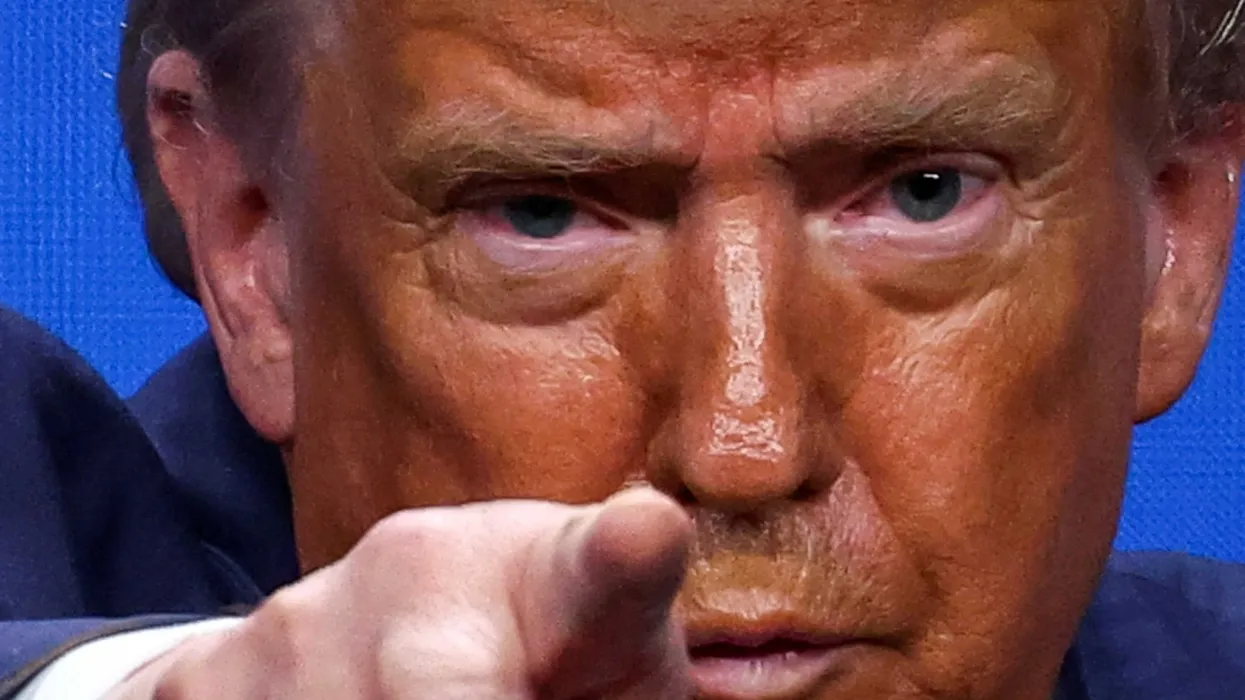
Former federal prosecutor Joyce Vance, a law professor and legal analyst for MS NOW, warned on Tuesday that the weekend search of Rep. Ilhan Omar's (D-MN) residence in Washington, D.C. may be a "political stunt" — the latest instance, she argued, of President Donald Trump "abusing" the justice system to target his opponents. Writing in her Substack column, Vance focused on the suspicious timing of the search of the Democratic lawmaker's home.
Vance, who said she typically pushes back when the execution of a lawful, court-ordered search warrant is labeled a "raid," argued that the circumstances here make the term difficult to avoid. "We do not yet know what charges the government may be contemplating; we haven't seen the affidavit accompanying the warrant," she wrote. "There are a lot of unanswered questions. Omar came to this country in 1995 — she was 12 — and there is a five-year statute of limitations on most federal crimes. There's a possible way around that because some immigration offenses are treated as continuing crimes for statute-of-limitations purposes. But that doesn't necessarily help the government here. Anonymous sources have characterized this investigation as involving her original immigration paperwork, perhaps some type of false statements case."
Those details, she contended, raise more questions than they answer. The government would already possess all of Omar's immigration paperwork, making a search of her home puzzling. Ordinarily, the affidavit behind a federal search warrant lays out the probable cause offered to a judge, and such documents often remain sealed while an investigation is ongoing. Vance also asked why agents targeted her temporary residence in Washington, D.C. rather than her permanent home in Minnesota. Moreover, Omar's young age at the time she immigrated makes it "hard to establish criminal intent," and while her father could technically bear some form of if a crime occurred, he is deceased.
The timing struck Vance as particularly suspect. "Why now?" she wrote. "DOJ has a longstanding policy against taking overt steps, like executing a search warrant or announcing an indictment, this close to an election. Often referred to as the 60-day rule, it's meant to prevent prosecutors from using their power to unfairly influence an election's outcome. The concern is that the target has little meaningful opportunity to clear their name of the damaging insinuations before voters cast their ballots." Voting is already underway in Minnesota, Vance noted, and Omar is on the ballot.
Against that backdrop, she asserted: "It's difficult to assess whether this is another rank political investigation that will never develop into an indictment, a pure political stunt, or whether there's more to it. But given the bad faith with which this administration has abused the criminal justice system to go after people Trump considers enemies, it's hard to rule it out. Given the timing, you'd expect the government to make it known if there was some risk of evidence being destroyed, one situation that might warrant an action like this. But it hasn't offered any explanation despite the unusual circumstances."
Even assuming the investigation is legitimate, Vance saw no clear justification for breaking the 60-day rule, given that the alleged conduct is decades old. Statutes of limitations are generally meant to ensure prosecutions occur while evidence and witness recollections remain fresh. She found it hard to imagine that the Justice Department had only just learned of evidence so urgently needed that it could not wait the few weeks until the election was over. "It seems more likely that this is about politics than legitimate prosecution," she warned. "And isn't that what the Trump administration has turned Justice Department into? A political tool in the president's toolkit, no longer a bastion of the rule of law." The contents of the affidavit, whether any charges are brought, and any explanation from the department for the timing remain the central open questions as voting continues in Minnesota.
This article is based on reporting by Alternet.

