Alito's 'Really Disturbing' Remarks Expose the 'Ivory Tower' He Lives In, Former Prosecutor Says
Key Takeaways
- •Justice Samuel Alito, appointed by President George W. Bush in 2006 and part of the court's 6-3 conservative majority, said in a Fox News interview that he is concerned about the court's future amid what he described as a concerted effort to intimidate the justices.
- •Former federal prosecutor Joyce Vance said on an MS NOW panel that Alito's comments reflect an ivory tower removed from everyday reality and that he was not referring to criticism from President Donald Trump.
- •Vance argued that Americans criticizing the court are exercising their First Amendment rights and called it disturbing that a justice perceives such speech as threatening.
- •The Supreme Court reform debate has shifted from whether changes should occur to what form they should take, with proposals including term limits, binding ethics rules, and expanding the number of seats on the court.
- •The justices adopted their first formal code of conduct in November 2023 without an enforcement mechanism, while Gallup surveys have recorded historically low public approval of the court in recent years.
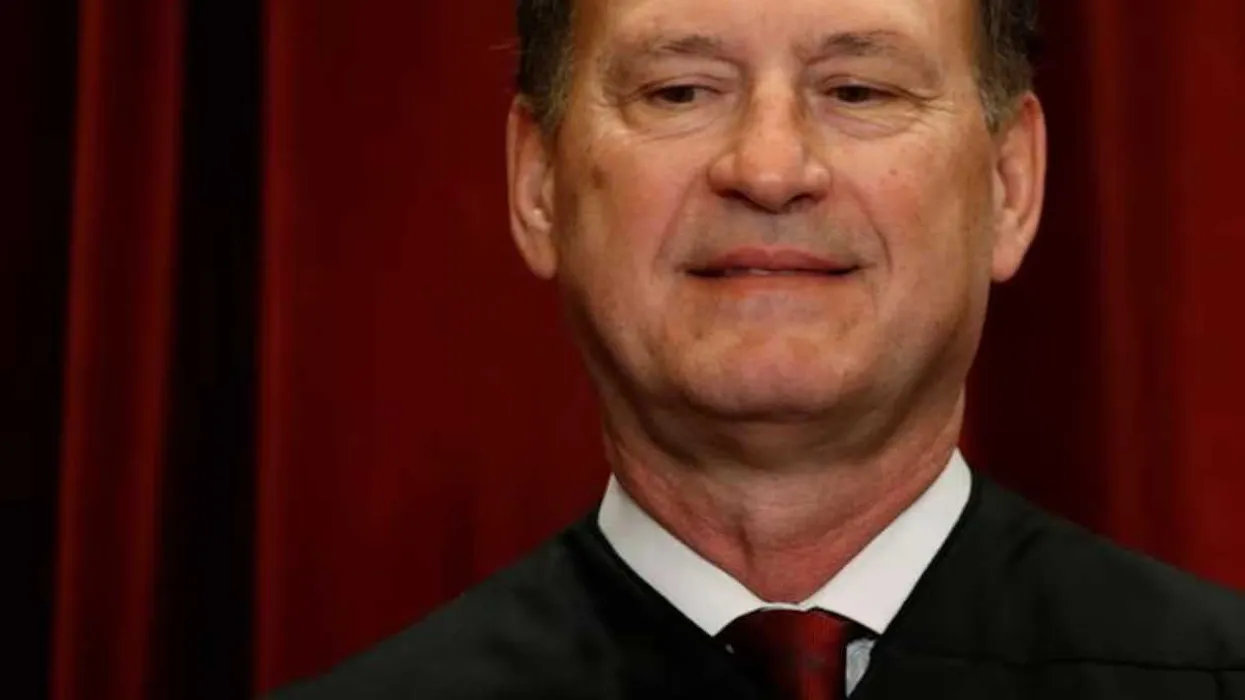
Supreme Court Justice Samuel Alito's recent interview comments reflect a "really disturbing mindset" and reveal the "ivory tower" he inhabits, removed from everyday reality, according to former federal prosecutor Joyce Vance.
Vance offered the assessment during a Monday panel discussion on MS NOW, hosted by Alicia Menendez, which examined the latest developments surrounding the Supreme Court as its new term gets underway — a calendar that runs from opening arguments in October to final opinions typically issued in late June or early July. Menendez pressed Vance, an attorney and legal analyst who previously served as a U.S. Attorney in Alabama under former President Barack Obama, for a reaction to comments Alito appointed by President George W. Bush in 2006 and part of the court's 6-3 conservative majority — made during a recent Fox News interview, in which he decried what he called a "concerted effort to intimidate the court."
"There has been a concerted effort to intimidate the court and justices on the court to try to influence us, to decide cases differently from the way in which we have been deciding them," Alito said. "And I am concerned about the future of the court. I think it's an important institution. It has not always done the right thing, but I think on the whole it has been fundamental in protecting our constitutional structure and the rights that all Americans enjoy." Alito also wrote the court's 2022 opinion in Dobbs v. Jackson Women's Health Organization, the decision that overturned Roe v. Wade and has been central to the public debate over the court's rulings.
Menendez asked Vance for her interpretation of Alito's meaning, suggesting that "there are lots of ways to interpret that... whether that concerted effort is coming from the president of the United States or vigilantes who send pizza boxes to people's homes."
Vance said it was clear Alito was not referring to criticism from President Donald Trump.
"I think we all know how Justice Alito interprets those comments, and he's certainly not talking about the president of the United States," Vance said. "He's long had the view that the court, in many ways, is under siege. And I think that speaks more to the ivory tower that he lives in than the reality of American citizens who are deeply concerned with both the court's decisions and with its procedure. And so they are speaking up, exercising their First Amendment rights to talk about the court. I think it's really disturbing that a justice perceives that as being threatening."
She went on to tie the exchange to the broader debate over Supreme Court reform, arguing that the conversation has shifted from whether changes should occur to what form they should take.
"But, you know, to the point of the conversation that you were just having about Supreme Court reform, increasingly the issue is less one of whether there should be reform and more a discussion about what that reform is going to look like," Vance said. "And it will be essential that it be accomplished in a way that's not perceived as political, because Sam Alito and I agree on one thing, and that's the importance of the court as one of the central institutions in American democracy."
The reform debate she described has spanned proposals ranging from term limits and binding ethics rules to expanding the number of seats on the court. The justices adopted their first formal code of conduct in November 2023, though it arrived without an enforcement mechanism.
If Americans cannot "come together" and restore confidence in the court, Vance warned, the country would find itself "in a dangerous place," because the nation submits "our most difficult disputes" to the court—issues that cannot be resolved "short of action by the nine, or however many justices we end up with." Public confidence has been the backdrop of that argument, with Gallup's surveys recording historically low approval of the court in recent years.
"And so this issue of court reform, yes, it's a political one, but it's more fundamentally an American one," she said.
This article was originally published by Alternet.

