Josh Young: “Massive” Currency Debasement to Come From Oil’s Run Higher
Key Takeaways
- •Josh Young, founder and CEO of Bison Interests, argues in a new Bitcoin Magazine interview that global oil inventories are running out faster than most people realize.
- •Young estimates that less than 10% of global oil stockpiles may be usable, while Saudi Aramco has warned that rebuilding oil stockpiles could take two years.
- •Young believes WTI's fair value sits near $105 a barrel and contends that an Iran peace deal might not provide lasting relief to prices.
- •The interview covers the refined products market, including a scenario of diesel at $200 a barrel, the roles of Russia and China in the diesel squeeze, and Young's view that a US diesel export ban is very unlikely.
- •Young identifies small-cap oil producers as a deeply undervalued part of the energy market and closes with commentary on Federal Reserve policy, Kevin Warsh, and the outlook for currency debasement.
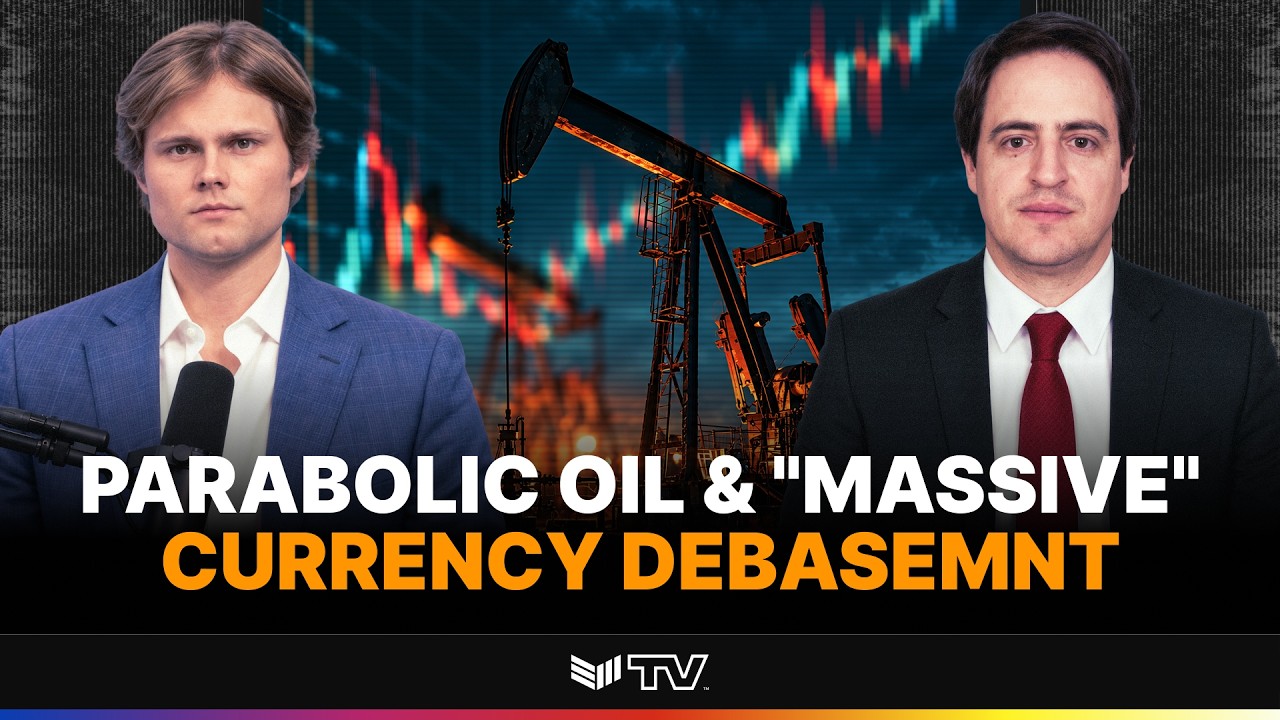
Bitcoin Magazine has released a new interview with Josh Young, founder and CEO of Bison Interests, who argues that global oil inventories are running out faster than most people realize and that a “massive” wave of currency debasement could follow oil’s run higher. Currency debasement — the erosion of a currency’s purchasing power — is a longstanding concern in Bitcoin circles, given the asset’s fixed supply cap of 21 million coins.
According to Young, less than 10% of global oil stockpiles may be usable, leaving the market with almost no room to absorb another supply shock. The conversation opens with Saudi Aramco’s warning that rebuilding oil stockpiles could take two years. Inventories act as the buffer between supply disruptions and end users, which is why thin stockpiles draw close attention from analysts and policymakers; public datasets such as the US Energy Information Administration’s weekly petroleum status reports offer one way to track inventory trends.
Young explains why he believes WTI’s fair value sits near $105 a barrel and why an Iran peace deal might not bring lasting relief to prices. WTI, or West Texas Intermediate, is the benchmark crude that anchors US oil pricing. He also walks through how long it takes to restore damaged Middle East energy infrastructure, and examines Strait of Hormuz flows, what he describes as misleading data, and wartime propaganda. The Hormuz chokepoint carries outsized weight because roughly a fifth of the world’s oil transits the waterway between Iran and Oman.
A substantial portion of the discussion centers on refined products, including a segment on diesel at $200 a barrel and why refined products matter most, the roles of Russia and China in the diesel squeeze, and why Young considers a US diesel export ban very unlikely. The diesel focus reflects the fuel’s economic reach — it powers trucking, rail, farming and construction — as well as the United States’ position among the world’s largest exporters of refined products, which is why export policy carries global weight.
On equities and policy, Young identifies the part of the energy market he believes is deeply undervalued — small-cap oil producers, the smaller exploration and production companies that sit below the majors in size — and addresses Trump’s promise on prices ahead of the midterm elections. The interview closes with the Federal Reserve, rate hikes, what Young argues Milton Friedman got right, and Kevin Warsh, government inertia, and the outlook for currency debasement. Friedman, the Nobel-winning economist behind the line that inflation is “always and everywhere a monetary phenomenon,” and Warsh, a former Federal Reserve governor, anchor the discussion’s monetary-policy endgame.
The full interview is available on Bitcoin Magazine. The post was written by Patrick Green.
DISCLAIMER: The views and opinions expressed in this show are those of the participants and do not necessarily reflect the official policy or position of BTC Inc., Bitcoin Magazine, or any affiliated entities. This content is provided for informational and educational purposes only and should not be construed as investment, legal, tax, or accounting advice. Nothing contained in this show constitutes a solicitation, recommendation, endorsement, or offer to buy or sell any securities or financial instruments. Viewers should consult their own advisors before making financial or business decisions.

