Pro-Trump Lawyer Josh Hammer Warns GOP They Block Corruption Probes 'At Their Peril'
Key Takeaways
- •Josh Hammer, a senior counsel at the pro-Trump Article III Project, cautioned congressional Republicans that obstructing legitimate corruption investigations into the Trump administration could carry real consequences for the party.
- •Democrats won control of both chambers of Congress in the recent midterm elections and will assume power in January.
- •Rep. Robert Garcia, the incoming House Oversight Committee chair, said his panel will investigate what he calls the 'Trump Crime Family,' corporate corruption, DHS and ICE abuses, and the administration's handling of the Epstein files.
- •Hammer backed administration lawyer Will Scharf's position that congressional investigations must serve a valid legislative purpose, citing Federalist No. 45 and the 1819 McCulloch v. Maryland ruling as constitutional support.
- •Hammer recommended negotiation as the default path for resolving subpoena disputes between the branches, pointing to a 1977 federal appeals court ruling, and urged Democrats to channel their control of Congress into passing affordability-focused laws.
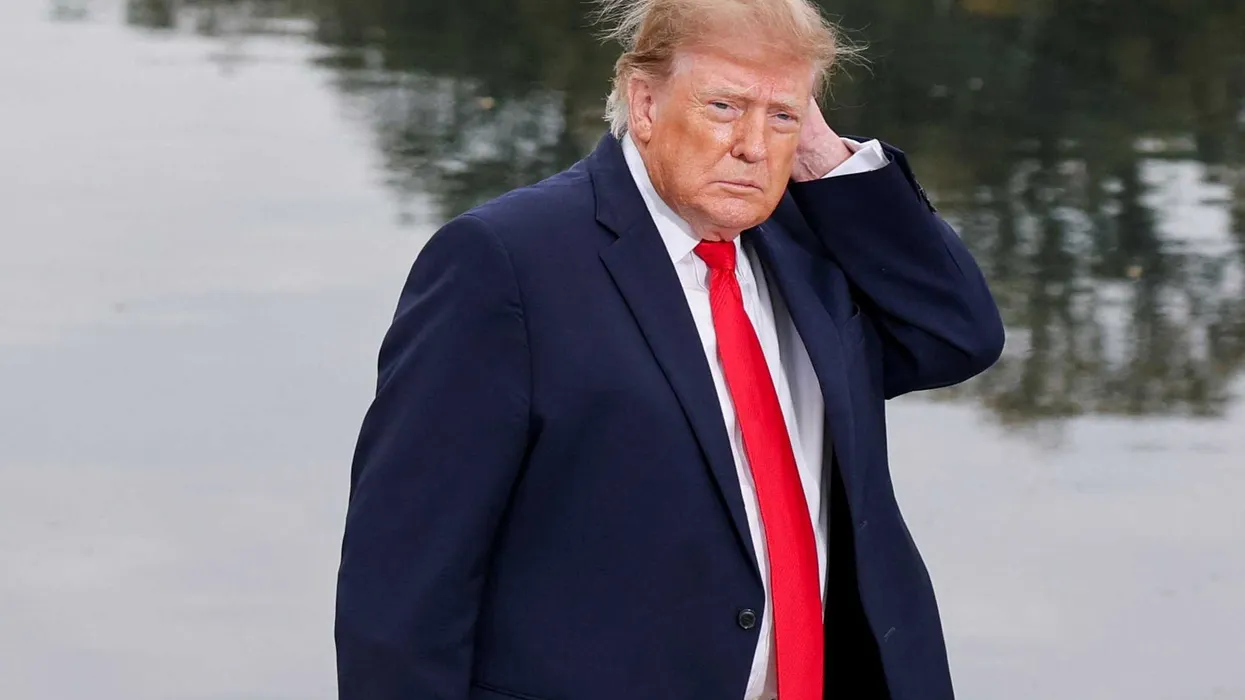
Josh Hammer, a conservative attorney and prominent defender of President Donald Trump, is cautioning fellow Republicans in Congress that attempts to obstruct legitimate investigations into corruption within the Trump administration could carry real consequences for the party.
In a Townhall column published Friday, Hammer — a senior counsel at the Article III Project, a conservative, pro-Trump legal organization — criticized Democrats' stated plans to investigate the White House once they assume control of Congress in January. Even so, he conceded that corruption is a legitimate concern.
"Congressional Republicans risk obstructing investigations on such grounds at their peril," he wrote.
Last week's midterm elections left Democrats in control of both chambers of Congress. Rep. Robert Garcia (D-Calif.), the incoming chair of the House Oversight Committee, told the administration to "lawyer up" on election night. Garcia said his committee intends to investigate what he calls the "Trump Crime Family," along with corporate corruption, abuses at the Department of Homeland Security and Immigration and Customs Enforcement, and the administration's handling of the Epstein files. He has directed the same "lawyer up" message at the administration's new chief of staff, Stephen Miller.
That gavel matters: the Oversight Committee is the House's chief investigative panel, and its subpoenas can compel documents and testimony from across the federal government.
Hammer also pointed to a post on X in which Rep. Analilia Mejia (D-N.J.) said Democrats would throw around subpoenas like Mardi Gras beads.
At the same time, Hammer argued that Democrats are chiefly intent on making the administration's life miserable. He sided with Will Scharf, the administration's lawyer, who said in a letter to Garcia that congressional investigations must serve a valid legislative purpose. Scharf warned in the letter that failing to identify one would amount to an abuse of power. The demand mirrors the standard federal courts have long applied in policing the reach of congressional inquiries.
Hammer, a former clerk at a federal appeals court who has since become a pundit, maintained that Congress must conduct its work within the bounds of the Constitution. He invoked James Madison's statement in Federalist No. 45 that the Constitution envisioned only "few and defined" federal powers, and cited Chief Justice John Marshall's 1819 statement in McCulloch v. Maryland that Congress's ends must be legitimate. Investigations run to raise funds or lift cable ratings, he argued, do not qualify.
He added that the executive and legislative branches should settle subpoena disputes through the usual process of negotiation, citing a 1977 ruling by the federal appeals court in Washington. That accommodation route has historically been the default for information standoffs between the branches, with the courts drawn in when bargaining fails.
Hammer noted that Democrats also campaigned on affordability and the cost of living, and he urged them to use Congress to pass laws that would make life better for ordinary Americans. The Framers gave Congress a Commerce Clause, he said, but not one for retribution.
Garcia has himself tied the planned investigations to Democrats' messaging on affordability, saying families must decide whether to buy gas or groceries while the well-connected line their own pockets. Democrats do not assume control until January, leaving the first concrete tests — how the committee frames its initial requests, and whether each states a legislative purpose — still ahead.

