Conservative commentator Jonah Goldberg calls for Senate power to block presidential pardons
Key Takeaways
- •Jonah Goldberg, editor-in-chief of The Dispatch, proposed a constitutional amendment that would give the Senate authority to block presidential pardons.
- •He contended that President Trump's clemency decisions, some of which he claims were traded for political services, revealed that unchecked pardon power endangers the constitutional system.
- •Enacting the change would not abolish presidential clemency but would require approval by two-thirds of both congressional chambers and ratification by three-fourths of U.S. states under Article V.
- •Goldberg dismissed a possible third impeachment effort by Democrats after the midterm elections as futile, noting the Senate declined to convict Trump in his previous two trials.
- •He also proposed penalties or protections against using federal funds, including disaster relief, to reward political allies or punish opponents.
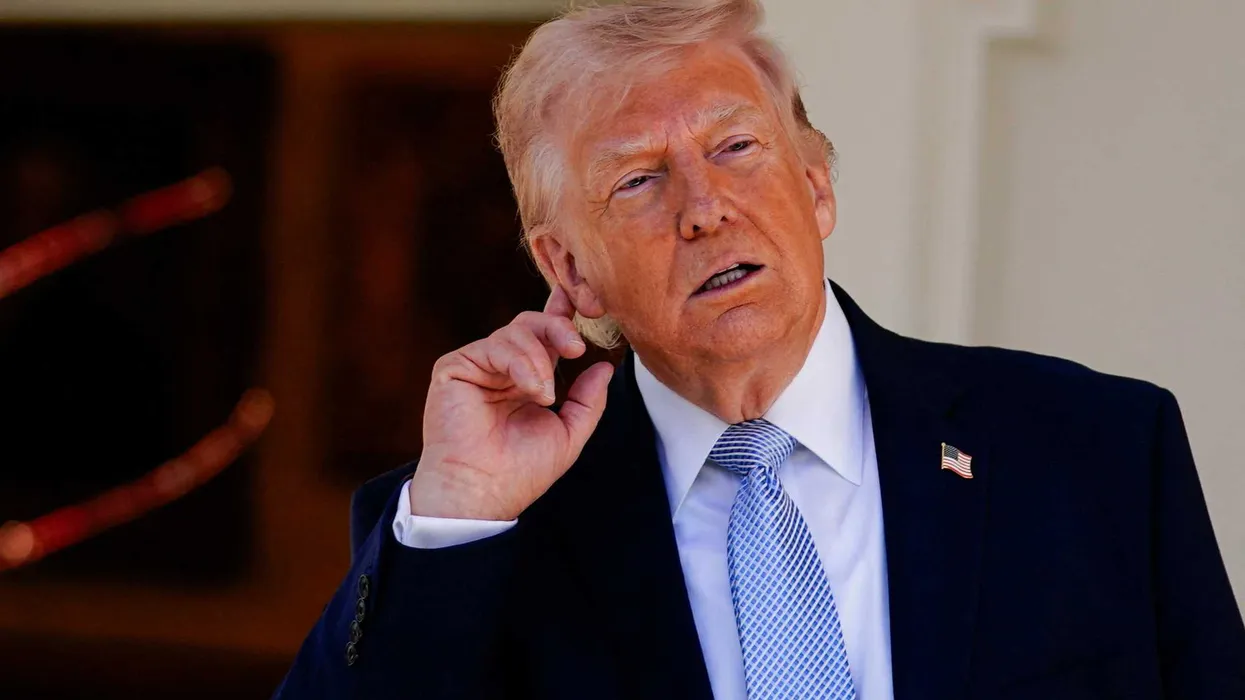
Conservative commentator Jonah Goldberg has proposed a constitutional change designed to strip President Donald Trump of one of his most coveted constitutional powers — one critics have accused him of abusing.
Goldberg, co-founder and editor-in-chief of The Dispatch, argued in a new column that the Senate should be empowered to block presidential pardons. He wrote that Trump's use of clemency has exposed a dangerous weakness in the system, particularly as some right-wing activists are reportedly pressing the White House to issue sweeping pardons for junior administration officials.
"For starters, we must amend the pardon power," Goldberg wrote.
In the column, Goldberg contends that the president's pardon authority has grown too powerful to remain unchecked, and that impeachment no longer serves as a realistic check on presidential misconduct. The pardon power, he argued, has become too disruptive to the constitutional system to be left in the hands of one person. Under Article II, Section 2 of the Constitution, that authority extends to offenses against the United States — federal crimes — with cases of impeachment as the sole exception, the very mechanism Goldberg now argues is no longer a realistic check.
His proposed remedy is a constitutional amendment that would allow the Senate to veto presidential pardons — a move he believes "would be a sufficient check" on the president's authority. The proposal would not abolish the president's ability to grant clemency. Instead, it would give the Senate a mechanism to block such decisions, a change that would require amending the Constitution — a process that, under Article V, requires approval by two-thirds of both chambers of Congress and ratification by three-fourths of the states.
Goldberg argued that some Trump pardons had been bought or granted in exchange for political services. He also pointed to reports that conservative organizations are seeking blanket pardons covering officials involved in deportations, war, or trade. Any such pardons would apply only to federal offenses, since the constitutional power does not extend to state prosecutions. He describes the need for change as urgent.
The argument lands ahead of the November 3 midterm elections, in which Democrats hope to regain control of the House and potentially pursue impeachment proceedings against Trump for a third time. But Goldberg does not believe a third impeachment would accomplish anything, given that the Senate declined to convict Trump in his previous two trials.
"Hyperpartisanship has nullified the impeachment power," Goldberg wrote, arguing that even strong evidence of misconduct might not persuade enough Republican senators to remove the president from office.
Instead, he believes Democrats should explore legislative safeguards and constitutional changes that could prevent future presidents from exploiting the precedents Trump has set. Goldberg also proposed penalties or protections against the use of federal funds — including disaster relief — to reward political allies or punish opponents.
He concludes by laying out why both parties may want to place a guardrail on presidential pardon powers: "First, many Republicans are rightly terrified of a future Democrat borrowing from Trump's playbook. Second, because even though they are equally terrified of saying so publicly, they are appalled by what Trump is doing."

