Ohio GOP Sen. Jon Husted in Reelection Trouble as Trump Voters Voice 'Regret'
Key Takeaways
- •Sen. Jon Husted's 2026 reelection campaign in Ohio is under pressure from voters who supported President Trump but are now reconsidering their choices ahead of the midterm elections.
- •A central Ohio firefighter who cast three ballots for Trump pointed to the war with Iran, tariffs on Canada, the Greenland effort, and the lack of promised economic relief as reasons his support has shifted.
- •Husted faces separate controversies over his backing of tax incentives for data centers and over a former political director who promoted Nazi imagery and White supremacy-linked songs online.
- •Some loyal Trump voters, including one who made significant sacrifices amid high fuel costs, say they know too little about Husted to commit to supporting him.
- •Analysts characterize Husted's difficulties in reliably Republican Ohio as emblematic of broader challenges facing the party in the November 2026 elections, when control of Congress will be decided.
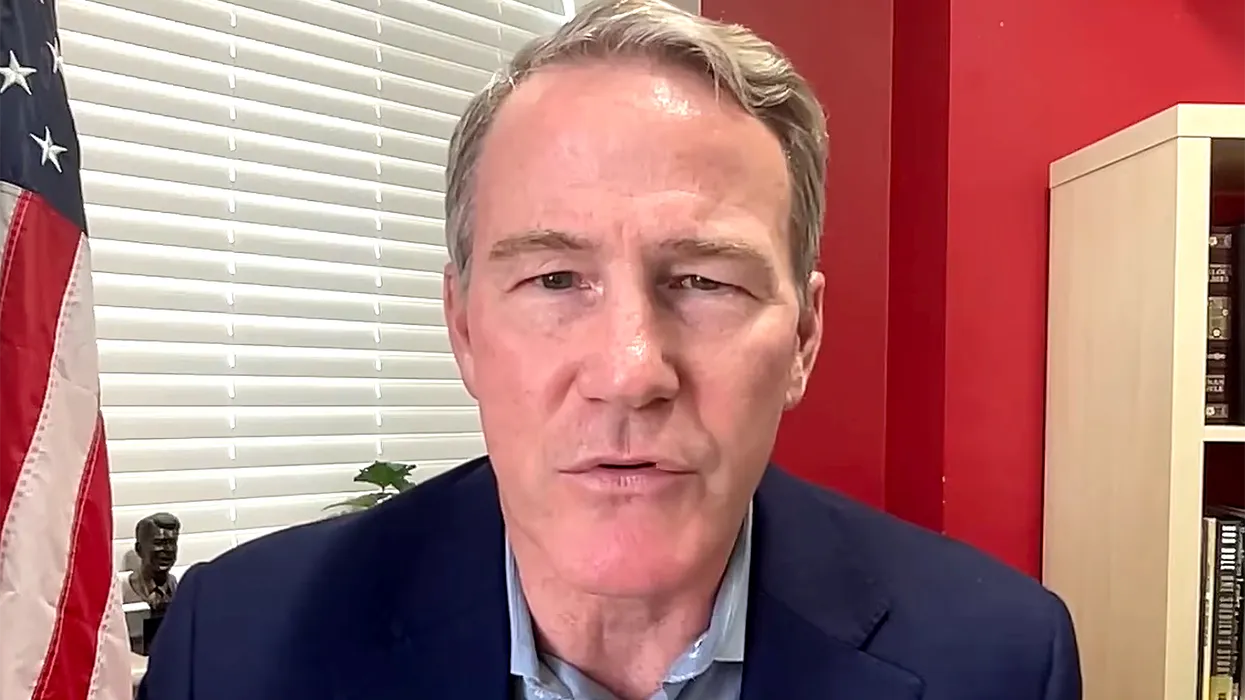
Republican Sen. Jon Husted of Ohio is facing mounting pressure on the campaign trail as voters who backed President Donald Trump — and blame the senator for his loyalty to the president — push back ahead of the 2026 midterm elections, with control of Congress at stake in November.
"Some of the attacks against [Sen. Jon] Husted (R-OH) appear to be working," reported The New York Times' Emily Davies on Monday about the tight reelection campaign facing the Republican senator. "Ben Meddles, 55, a firefighter in central Ohio, said he regretted voting for Mr. Trump, and that in turn was affecting his choice for Senate."
Davies quoted Meddles as saying, "You go in to vote and you feel good. And then sometimes, six months to a year later, you're sorry for the way you voted."
According to Davies, Meddles is "frustrated with the president for starting a war with Iran, imposing tariffs on Canada and spending so much time trying to take control of Greenland, which Mr. Meddles dismissed as 'showboating.'" She wrote that "it all felt like a distraction, he said, from the president's failure to deliver his signature campaign promise: economic relief at home. That promise, Mr. Meddles said, was why he had cast three ballots for Mr. Trump over the last decade."
Husted's difficulties extend beyond voter discontent with the war in Iran. He has also drawn controversy in Ohio for his outspoken support of data centers the large facilities that house the computer servers powering cloud computing and artificial intelligence, and which states have routinely courted with tax incentives. As lieutenant governor, Husted worked to encourage data center construction by backing tax breaks for the facilities.
Even some voters who still stand by Trump are souring on Husted. "At the fair, Ms. Grenko had spent nearly $7 per gallon on diesel to fill up the five trucks she needed to cart her ponies to the event," Davies wrote. "That cost had been so crippling, she said, that she swapped her favorite mac-and-cheese brand, Kraft, for the Great Value version sold at Walmart. She also started to buy off-brand coffee creamer and toilet paper, and to eat more rice each week to fill up."
"In some ways, Ms. Grenko embodied both the opportunities and the challenges facing Mr. Husted," Davies continued. "A loyal Trump Republican who gets her news exclusively from Fox, Ms. Grenko said she didn't mind making those sacrifices if Mr. Trump was doing what he thought was best for the country. But her willingness to give up comforts for Mr. Trump does not mean she will vote for Mr. Husted, given how little she knows about him."
"I want him to step out, step up and say, 'OK, this is what I think,'" Grenko told Davies about Husted. "Like Trump. Trump's not afraid to say what he stands for."
Ohio — for years one of the nation's most closely watched presidential battlegrounds before consolidating behind Republicans — voted for Trump in all three of his presidential runs, and analysts have characterized Husted's struggles as emblematic of the broader challenges facing the Republican Party in the 2026 midterm elections.
"How badly things going for Republicans in what, for more than a decade, has been the reliably red state of Ohio?" Bloomberg News opinion columnist Erika D. Smith wrote earlier in September. "Just ask Jon Husted. The party's nominee for the U.S. Senate spent part of last week at the 'Trump-a-palooza' convention in Dallas, desperately trying to cast President Donald Trump's tax cuts for the wealthy as a fix for the affordability crisis. Then, Husted spent the weekend distancing himself from his now-former political director after it was revealed that he had promoted both Nazi imagery and songs tied to White supremacy online."
The Senate contest will be decided in November 2026, leaving Husted months to make his case to voters like Meddles and Grenko — Trump loyalists whose support for the senator is far from assured.

