Former Prosecutors Call Jim Jordan's Criminal Referral Against Jack Smith 'an Embarrassment'
Key Takeaways
- •Jordan’s referral accuses Smith of false statements during a closed-door deposition in December 2025.
- •Smith told the committee his team sought telephone toll records rather than message content or texts.
- •Justice Department documents showed Smith’s team accessed text messages from 44 lawmakers through White House staff records held by the National Archives.
- •Former prosecutors said the referral may be legally weak because a technically truthful answer is not a false statement under the doctrine of literal truth.
- •The Justice Department confirmed receipt of the referral, but congressional referrals do not require prosecutors to bring charges.
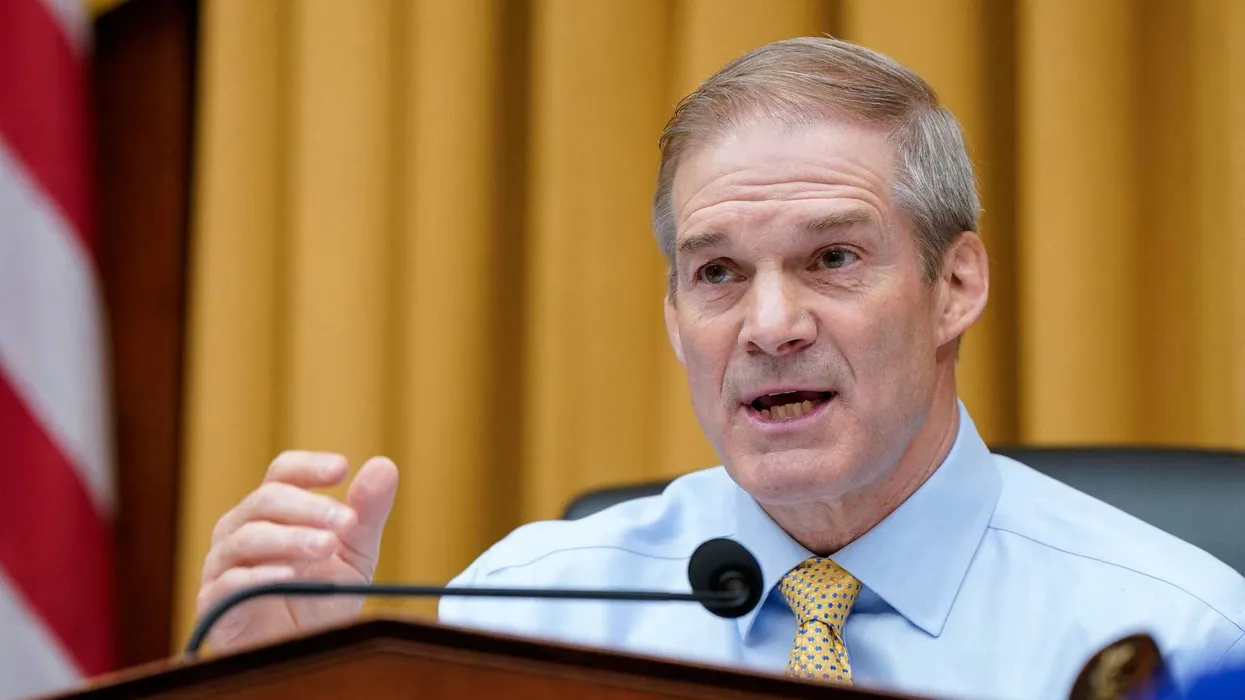
Rep. Jim Jordan (R-OH) is facing sharp criticism from former federal prosecutors over his criminal referral targeting former special counsel Jack Smith, with one calling the legal reasoning behind the effort "an embarrassment."
Jordan transmitted the referral on Wednesday night to acting Attorney General Todd Blanche, CBS News reported. The referral accuses Smith of making false statements during a closed-door deposition conducted in December 2025.
During that December session, Smith told the committee that his team had sought only telephone toll records — logs containing call numbers, times, and durations, but not the content of communications or text messages.
The referral followed the release of Justice Department documents revealing that Smith's team had accessed text messages belonging to 44 lawmakers. These records were obtained not through direct subpoenas to Congress, but by requesting White House staff records from the National Archives.
"This referral letter is an embarrassment," said Kyle Freeny, a former federal prosecutor now affiliated with the Washington Litigation Group.
"This is just a case of a mismatch between what they claim they wanted to know, and what they actually asked," Freeny said. "If they have bad questions, they do not get the answers that they want. It's almost like deposition 101."
Freeny and other former prosecutors cited the legal doctrine of "literal truth" — the principle that a witness cannot be charged with making false statements if their answers were technically accurate, even when the questioner intended to elicit different information. In federal false-statement disputes, that distinction can be decisive because prosecutors generally must prove that a statement was false, material, and made knowingly and willfully, not merely that a witness failed to anticipate an unasked follow-up.
"If a witness answers the literal question truthfully, it's not a false statement just because the questioner meant something broader," said former prosecutor Gregory Rosen, who characterized the referral as "legally untenable, if not ridiculous."
"The burden is on the lawyer taking the deposition to ask the right question — not on the witness to guess what wasn't asked and volunteer it," Rosen added. "If Congress wanted different answers, they should have asked different questions."
Smith's attorneys dispatched their own letter to Jordan and Blanche, describing the referral as a "spurious claim" founded on an "unprecedented theory" — namely, that Smith lied not because of statements he made, but because of information he did not volunteer.
"If Mr. Trump's attorneys thought that Mr. Smith and his team had done something unlawful or improper in obtaining these text messages, they could have filed a motion to that effect," wrote attorneys Lanny Breuer and Peter Koski. "Notably, they did not."
Jordan's office did not respond to a request for comment. The Justice Department confirmed receipt of the referral but offered no further defense of the action. The department is not obligated to act on criminal referrals submitted by Congress, which can request an investigation but cannot compel prosecutors to bring charges.

